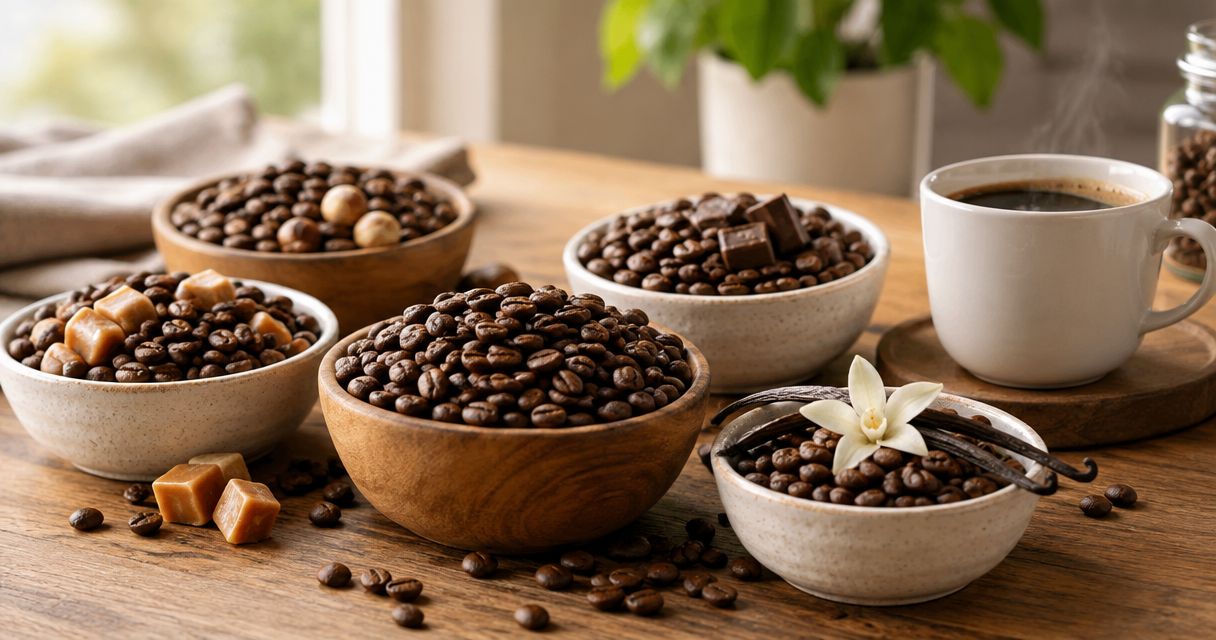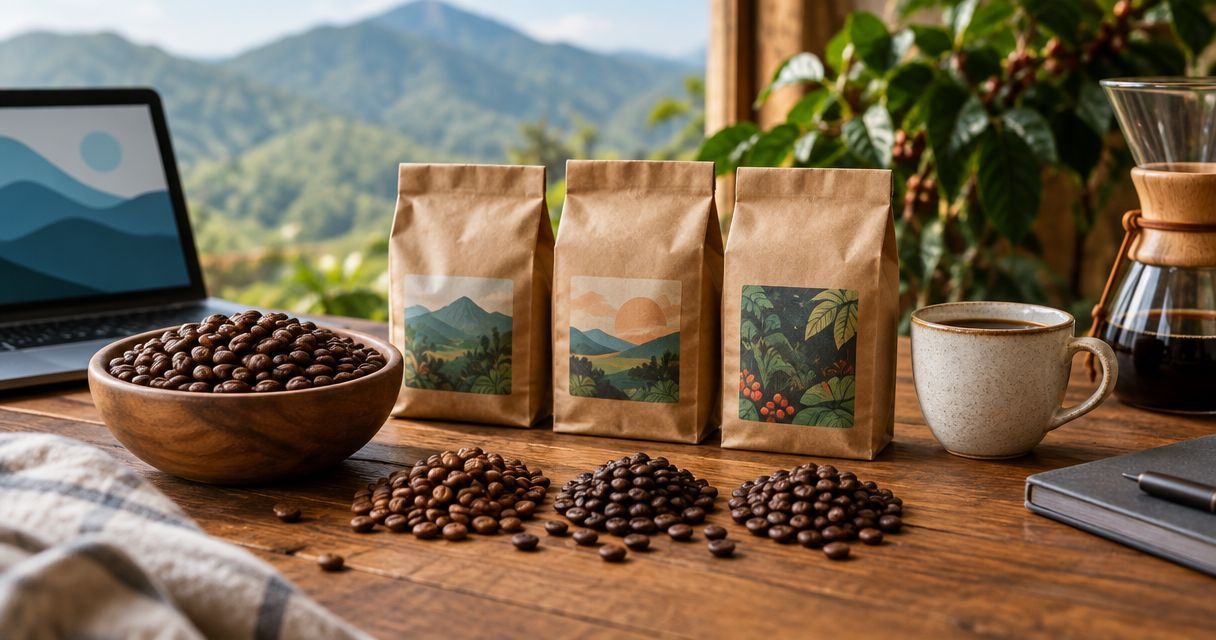
Best overall: washed single-origin coffee for a clear, balanced first cup. Best for fruit-forward flavor: natural-processed beans. Best for a softer middle ground: honey-processed beans. In 2026, choose by processing method first, then check the origin, roast and tasting notes on the bag. Brew4UFresh sells single-origin coffee for home drinkers, but no specific bag can be ranked here without its origin and processing details.
- Washed single-origin coffee is the best starting point if you want to taste a bean's origin clearly.
- Choose natural-processed beans for fruit-forward flavor; expect more variation between bags.
- Honey-processed beans suit drinkers who want sweetness without committing to a natural process.
- Brew4UFresh is a fit for home drinkers shopping for single-origin coffee; check each bag's details before choosing.
Why this matters
Single origin tells you where coffee comes from, not whether you'll enjoy drinking it. A bag can identify a country, region, farm or lot, and each level gives you a different amount of detail. Processing, roast and brewing change what reaches your cup. If you're buying single-origin coffee in 2026, the origin name alone is not enough to make a useful choice.
Start with the flavor you want. A washed coffee offers a clearer view of its growing and roast characteristics. A natural process puts more emphasis on fruit character from drying the coffee cherry around the seed. Honey processing sits between those approaches. Wet-hulled coffee offers another profile, often associated with coffees from Indonesia. These are buying directions, not guarantees: two coffees with the same process can still taste different.
Brew4UFresh is a fit for home drinkers shopping for single-origin coffee; choose a bag only after checking its origin, process and roast information. If a listing leaves those details out, don't fill in the gaps with assumptions. Pick the coffee you can identify and brew with a clear expectation.
What makes the best single-origin coffee?
Use these criteria before treating a country name or a tasting note as a verdict:
- Traceable origin: Look for a named region, farm or lot when you want to understand what distinguishes one bag from another. A country label still tells you something, but it covers a wider range of coffees.
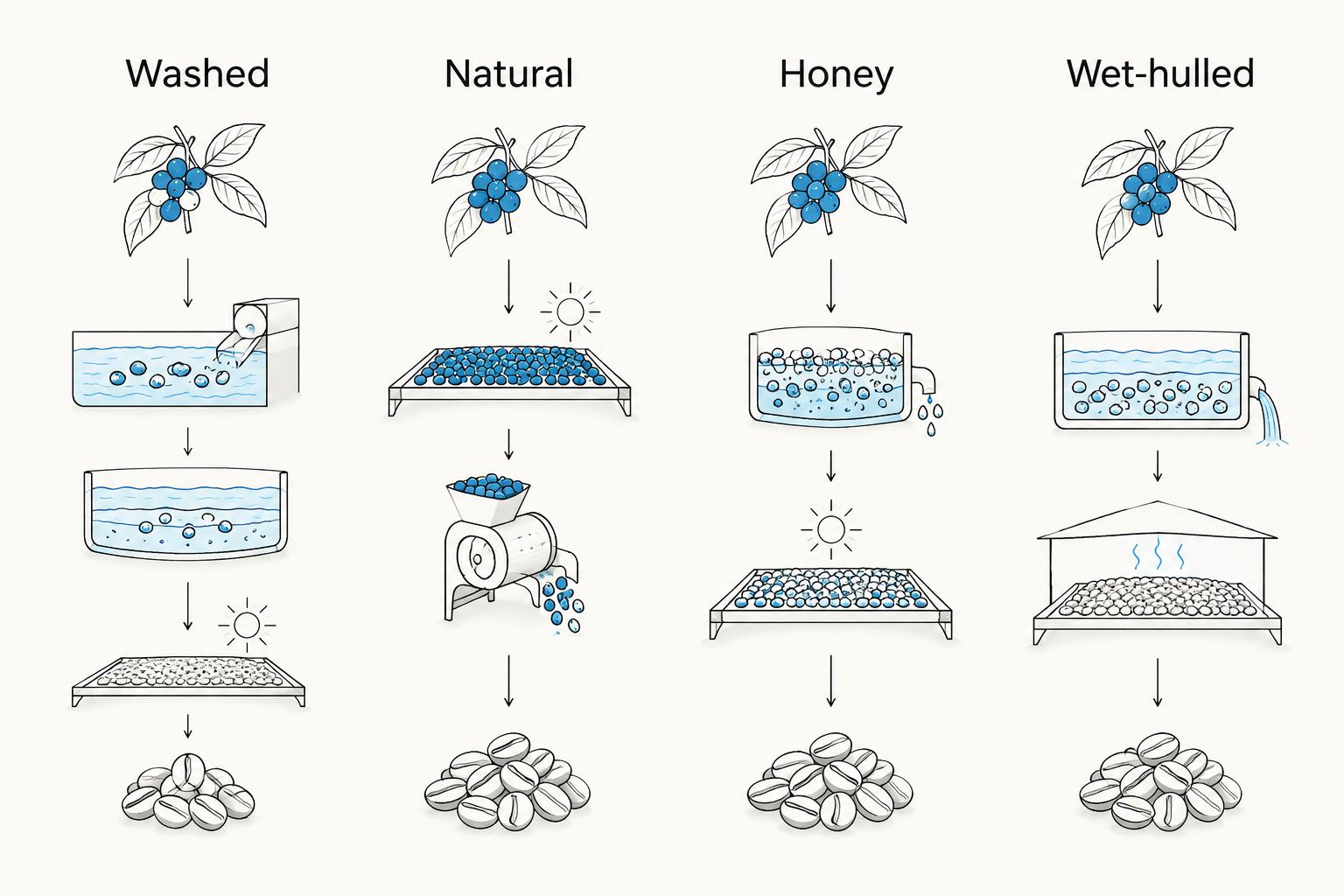
- Stated processing method: Washed, natural, honey and wet-hulled describe different ways the seed was separated from the fruit and dried. The process gives you a practical starting point for flavor comparison.
- Roast information: Compare roast descriptions alongside origin. A dark roast can make the roast character more prominent than the differences you hoped to find between origins.
- Useful tasting notes: Treat notes as a direction, not a promise. A note such as citrus, berry or chocolate helps you choose; your grind, water and brewer still affect the result.
- A suitable brew method: Filter coffee makes subtle differences easier to compare. Espresso can work with single-origin beans, but a change of bag often calls for a new grind setting.
- Enough detail to repeat a favorite: If you love a coffee, its origin and process help you find a similar profile later. The same country name on a different bag does not mean the same cup.
In 2026, the strongest buying choice is the bag that pairs a flavor direction you want with enough detail to check what you're buying. A vivid description cannot replace a stated origin or process.
Best single-origin coffee at a glance
| Option | Best for | Standout feature | Key limitation |
|---|---|---|---|
| Washed | First-time single-origin drinkers | Clearer expression of the coffee's underlying character | Less fruit intensity than many natural coffees |
| Natural | Drinkers seeking fruit-forward cups | Fruit character shaped by drying inside the cherry | Flavor varies substantially by coffee and roast |
| Honey | Drinkers seeking a middle ground | Fruit contact during drying without following the natural process | The label alone does not predict sweetness or acidity |
| Wet-hulled | Drinkers exploring a different processing tradition | A processing style associated with Indonesian coffee | Harder to compare directly with washed or natural coffees |
This is a ranking of types to shop for, not a ranking of bags. The available product details do not identify a single-origin bean by name, region or process. For a 2026 purchase, confirm those facts on the current listing rather than assuming an option in the table is in stock.
The four options differ in how coffee is processed after harvest. That distinction helps you narrow a search, but it cannot tell you how every coffee in a category will taste. Compare tasting notes and roast descriptions within the type you choose.
1. Washed: best single-origin coffee for a first comparison
Best for: A home drinker who wants to compare origins without making processing-driven fruit flavor the main event.
With washed coffee, the fruit is removed before the beans finish drying. That makes washed beans a practical reference point: brew one, note what you taste, then compare it with a coffee from another origin or process. It does not make every washed coffee mild, acidic or identical. Origin, variety, roast and brewing still matter.
A washed coffee is also a useful choice when a bag's tasting notes sound appealing but unfamiliar. You can focus on whether you enjoy the coffee itself before deciding whether you want the stronger fruit character that processing can add. For a fair comparison, keep your brewer and recipe steady when you open the next bag.
Washed coffee pros:
- Gives you a straightforward starting point for comparing origins.
- Works well when you want to assess tasting notes rather than choose on process alone.
- Makes a useful reference cup before trying a natural or honey process.
Washed coffee cons:
- Is not the default choice if you specifically want strong fruit character.
- Does not guarantee a particular flavor or roast quality.
Verdict: Buy washed single-origin coffee first if you're unsure which process suits you. It gives your next purchase a clear point of comparison.
2. Natural: best single-origin coffee for fruit-forward flavor
Best for: A drinker who actively wants fruit character and enjoys comparing distinct cups.
Natural-processed coffee dries with the fruit still surrounding the seed. That contact is why natural coffees are commonly chosen for fruit-forward profiles. The exact result belongs to the individual coffee, not to the word natural: read its tasting notes and roast description before expecting a specific fruit flavor.
Choose a natural when you want a deliberate contrast with a washed coffee. Brew both with the same method and pay attention to aroma, flavor and finish. If the natural tastes heavier or more fruit-led to you, you've learned something useful for your next bag. If it doesn't, change the coffee rather than assuming you brewed the whole category incorrectly.
Natural coffee pros:
- Offers a clear direction for shoppers seeking fruit-forward cups.
- Makes processing differences easier to explore alongside a washed coffee.
- Suits drinkers who enjoy a distinctive filter-coffee profile.
Natural coffee cons:
- Fruit character can dominate the subtler differences you wanted to compare between origins.
- The process label cannot tell you which fruit notes, if any, you'll perceive.
Verdict: Buy a natural-processed single origin when fruit-forward flavor is your goal. Hold if you want a more neutral first reference cup; choose washed instead.
3. Honey: best single-origin coffee for a middle ground
Best for: A drinker curious about processing differences who doesn't want to begin with a natural coffee.
Honey processing leaves some of the fruit's sticky mucilage on the coffee during drying. It is not coffee mixed with honey, and the name does not promise a honey flavor. The amount left on the seed and the rest of the production process vary, so use the bag's own tasting notes to decide whether it fits your preference.
Honey-processed beans make sense after you've found a washed coffee you like. You get another way to explore how handling the fruit affects the cup, without using the natural process as your only alternative. Keep the roast and brew method in mind when comparing them; otherwise, you won't know which change shaped the result you noticed.
Honey coffee pros:
- Gives you another processing style to compare with washed and natural.
- Fits shoppers who want to explore fruit contact during drying.
- Encourages a more precise choice than buying by origin name alone.
Honey coffee cons:
- The word honey is easy to mistake for an added flavor.
- Processing details and tasting notes matter more than the label alone.
Verdict: Buy a honey-processed single origin when its stated tasting notes appeal to you. Hold if the listing says honey but gives you no further detail about the coffee.
4. Wet-hulled: best single-origin coffee for exploring another process
Best for: A drinker who already knows what they like in washed, natural or honey coffee and wants a different comparison.
Wet-hulling is a processing method associated with Indonesian coffee. It involves removing the parchment layer while the coffee still holds more moisture than it would at that stage in conventional washed processing. That difference gives you a reason to compare the method, but it does not justify assigning one flavor to every wet-hulled bag.
Check the named origin and roast before you buy. If you're looking for a particular tasting note, choose the individual coffee whose description supports that choice. A wet-hulled bag earns its place here as an exploration pick, not as the safest answer for someone buying their first single origin.
Wet-hulled coffee pros:
- Adds a distinct processing method to your tasting comparison.
- Gives you another way to explore coffees associated with Indonesia.
- Rewards shoppers who read beyond the country label.
Wet-hulled coffee cons:
- Is a less direct starting point for comparing washed and natural processes.
- Cannot be chosen reliably by processing name alone.
Verdict: Hold until you can check the specific bag's origin, roast and tasting notes. Buy when those details match the profile you want to explore.
How these options were ranked
The order favors a useful first purchase, then clear reasons to branch out. Washed comes first because it gives a new single-origin buyer a reference cup. Natural follows for a distinct fruit-forward direction, while honey offers another route for comparing fruit contact during drying. Wet-hulled belongs in the guide, but it is a more focused exploration choice.
This 2026 ranking does not award points to unnamed products or claim that processing alone determines quality. A well-described coffee that fits your taste beats a higher-ranked process with missing details. Apply the criteria above to the actual bag before making the final call.
Which single-origin coffee should you choose?
Choose washed single-origin coffee if you're undecided. Look for a stated origin, process, roast and tasting notes you want to try. Once you've brewed it, you have a baseline: pick a natural for a fruit-forward contrast, a honey process for another take on fruit contact, or a wet-hulled coffee when you want to explore that method.
Brew4UFresh sells single-origin coffee, but the right purchase depends on the details of the specific bag. Don't treat the store name, origin country or process label as a substitute for those details. The best single-origin coffee in 2026 is the one whose stated profile fits the cup you want to make at home.
A simple way to compare your next two bags
Change one thing at a time. If you're comparing a washed bean with a natural bean, use the same brewer, water and starting recipe for both. A practical filter-coffee starting recipe is 18 g of coffee to 300 g of water; adjust the grind or ratio to suit your taste rather than treating that recipe as a rule for every bean.
Taste each coffee without additions first if you want to compare its flavor, then drink it the way you normally do. Write down whether you noticed fruit character, sweetness, bitterness and the finish. Those observations will tell you more about your next purchase than a list of origin names you haven't tasted.
Also separate a brewing problem from a buying preference. If one cup tastes unpleasantly sharp or bitter, adjust the grind and brew it again before rejecting the bag. If it is well brewed but its flavor direction still isn't for you, choose a different process or tasting-note profile next time. That is a useful result, not a failed purchase.
FAQ
What's the best single-origin coffee for a beginner in 2026?
Washed single-origin coffee is the clearest starting point for a beginner. Choose a bag that states its origin, process, roast and tasting notes so you can compare your next coffee with it.
Is washed single-origin coffee better than natural coffee?
Washed coffee is better as a first reference cup; natural coffee is the stronger choice when you want fruit-forward flavor. Neither process guarantees that you'll prefer a particular bag.
Does single origin mean a coffee comes from one farm?
No. Single origin identifies one stated source, which can be a country, region, farm or lot. Read the bag to see how specifically it identifies that source.
Does honey-processed coffee contain honey?
No. Honey processing refers to leaving some fruit mucilage on the coffee during drying. It does not mean honey has been added or that the cup will taste like honey.
How do I choose single-origin coffee for espresso?
Choose a coffee whose stated flavor profile you want to drink as espresso, then adjust your grind when you change beans. Origin and process guide the choice, but they do not replace dialing in your brewer.
Why do two coffees from the same country taste different?
A shared country label does not mean the coffees share a region, farm, variety, process or roast. Compare those details on each bag before expecting a similar cup.
Can I compare two single-origin coffees with the same recipe?
Yes. Starting with the same brewer and recipe makes the first comparison easier to follow. Adjust each brew afterward if its flavor needs a different grind or ratio.
One last thing
A processing label is most useful after you know what is on the bag. In 2026, skip the guesswork: if you cannot find the origin, process or roast information needed for your comparison, choose a better-described coffee instead. Brew4UFresh is a place to shop for single-origin coffee; let the individual listing, not a general ranking, settle which bag you buy.