Best overall: Vienna-style dark roast. Best for milk drinks: French roast. Best for home espresso: a dark roast blend. The best dark roast coffee beans in 2026 match your preferred flavor and brewing method, not simply the darkest label; this guide ranks five buying options by those differences.
- The best dark roast coffee beans for everyday black coffee are Vienna-style beans with balanced roast character.
- French roast suits milk drinks; Italian roast suits drinkers who specifically want pronounced smoky bitterness.
- Choose a dark roast blend for home espresso, but check its flavor description rather than trusting the espresso label.
- Brew4UFresh sells freshly roasted coffee for home drinkers; match your selection to roast, freshness, and brewing method.
Why this matters
Dark roast is a broad description, not a single flavor. Vienna, French, and Italian roast names describe different points along the darker end of roasting, but roasters do not apply those names identically. Read the flavor description alongside the label.
Brew4UFresh is a freshly roasted coffee option for home drinkers who want beans delivered to their door. When browsing Brew4UFresh, choose coffee by its stated roast and flavor rather than assuming every blend fits this guide.
For your 2026 shortlist, separate three questions: how dark you want the roast, whether you drink coffee black or with milk, and how you brew it. A bean that tastes pleasantly intense in a latte can taste too bitter in a plain filter cup.
What makes the best dark roast coffee beans?
Use these criteria before choosing a roast style:
- Roast character: Decide whether you want toasted sweetness, dark chocolate-like notes, or pronounced smoke. Darker is not automatically better.
- Freshness information: Look for a roast date and clear storage guidance. A dark appearance does not tell you when the beans were roasted.
- Brewing fit: Match the beans to filter coffee, immersion brewing, or espresso. Your grind and recipe still control extraction.
- Milk compatibility: Choose enough roast intensity to remain noticeable after adding milk, without accepting bitterness you dislike.
- Flavor detail: Specific tasting descriptions help you choose. Words such as bold and strong do not explain whether the cup is sweet, smoky, or sharp.
- Grinder suitability: Check your grinder's instructions, particularly before using visibly oily beans in an automatic machine.
Dark roast coffee beans at a glance
This 2026 ranking compares roast styles and bean categories, not individual branded products. The options overlap: a single-origin coffee or an espresso blend can also carry a Vienna or French roast label.
| Rank and option | Best for | Standout characteristic | Key limitation |
|---|---|---|---|
| 1. Vienna-style dark roast | Everyday black coffee | A starting point between lighter roast character and deeper dark-roast intensity | The roast name is not standardized across sellers |
| 2. French roast | Coffee with milk | Pronounced roast character | Less origin detail and more bitterness than lighter roasting |
| 3. Dark roast blend | Home espresso | Combines coffees into a chosen flavor profile | Blend and espresso labels do not guarantee your preferred taste |
| 4. Single-origin dark roast | Comparing origins within dark roasting | Identifies a particular source | Dark roasting reduces some origin-specific distinctions |
| 5. Italian roast | Deliberately smoky coffee | Very dark roast character | A poor default for drinkers who dislike bitter or burnt notes |
1. Vienna-style dark roast: best for everyday black coffee
Vienna-style coffee is the first option to consider when you want dark-roast flavor without making smoke the main event. It generally sits lighter than French or Italian roast, although the seller's description matters more than the name alone.
Look for tasting language that emphasizes sweetness and roast depth rather than burnt intensity. Chocolate-like tasting notes describe a sensory impression; they do not mean the coffee contains chocolate.
Vienna-style dark roast pros:
- Gives you a practical starting point for drinking coffee black.
- Lets you explore dark roasting without immediately choosing its darkest end.
- Fits filter and immersion brewing when you adjust the grind and recipe.
Vienna-style dark roast cons:
- Roast naming varies between sellers.
- Does not suit drinkers whose main preference is heavy smoke and bitterness.
Best for: You drink your morning coffee black and want roast depth without an aggressively burnt finish.
For an undecided buyer in 2026, Vienna-style dark roast is the default recommendation. Read the tasting description first, then confirm that the beans are suitable for your grinder.
Verdict: Buy Vienna-style dark roast as your first dark-roast comparison.
2. French roast: best for coffee with milk
French roast pushes roast character further forward. Expect a darker flavor direction than Vienna-style coffee, with more emphasis on roasting and less on the distinctive characteristics of the original green coffee.
That makes French roast a useful choice when you add milk and want the coffee flavor to remain noticeable. It is not an instruction to tolerate harshness: your brewing recipe still needs to produce a cup you enjoy.
French roast pros:
- Suits drinkers who want pronounced roast flavor in milk-based coffee.
- Offers a clear alternative to brighter, lighter-roasted cups.
- Works as a deliberate choice for a roast-forward brewing style.
French roast cons:
- Dark roasting obscures some origin-specific flavor differences.
- Bitterness becomes a larger consideration, especially when brewing overshoots your taste preference.
Best for: You regularly add milk and prefer roast intensity over delicate origin notes.
Do not choose French roast solely because you want more caffeine. Roast color is not a dependable measure of the caffeine in your finished drink; bean type, dose, and preparation also matter.
Verdict: Buy French roast for milk drinks; skip it if you dislike pronounced roast bitterness.
3. Dark roast blend: best for home espresso
A dark roast blend combines coffees into a chosen flavor profile. For home espresso, the useful question is whether that profile matches your drinks—not whether the bag simply says espresso.
Espresso is a brewing method, not a fixed roast level. You can brew espresso with different roast styles, and a dark blend still needs an appropriate grind, dose, and extraction.
Dark roast blend pros:
- Lets a roaster combine different coffees toward a particular flavor direction.
- Gives espresso buyers a category to assess by tasting notes and intended preparation.
- Makes a practical comparison point for straight espresso and milk drinks.
Dark roast blend cons:
- A blend label alone tells you little about flavor or component coffees.
- An espresso label does not guarantee compatibility with your taste or automatic grinder.
Best for: You make espresso at home and want to select beans around your usual drink.
For your 2026 espresso choice, check whether the description emphasizes sweetness, smoke, or bitterness. If you use an automatic machine, follow its instructions about bean oiliness rather than treating all dark roasts as interchangeable.
Verdict: Buy a dark roast blend when its stated profile matches your espresso routine.
4. Single-origin dark roast: best for exploring origin within dark roasting
Single-origin dark roast combines a defined coffee source with a darker roasting approach. The origin can refer to a country, region, farm, or another specified source; read the label to understand its scope.
This option suits you if you enjoy dark coffee but still want to compare where the beans come from. Keep expectations realistic. Roasting darker makes roast character more prominent and reduces some of the distinctions that lighter roasting preserves.
Single-origin dark roast pros:
- Provides a source to investigate alongside the roast description.
- Gives you a structured way to compare coffees from different places.
- Suits drinkers who want origin information without switching to light roast.
Single-origin dark roast cons:
- Origin alone does not predict the finished flavor.
- Dark roasting makes some origin differences harder to distinguish.
Best for: You already know you like dark roast and want to compare clearly identified coffee sources.
Keep your brewing method consistent when comparing origins. Changing the beans, grind, dose, and water together makes it difficult to tell which change affected the cup.
Verdict: Buy single-origin dark roast for a focused tasting comparison, not for guaranteed complexity.
5. Italian roast: best for deliberately smoky coffee
Italian roast generally describes the very dark end of roast naming. Choose it because you enjoy pronounced roast character, not because the label promises a better or stronger coffee.
At this level, the roasting process dominates the flavor discussion. It is the least suitable default here for someone who wants sweetness and subtle origin detail to lead.
Italian roast pros:
- Matches a clear preference for very dark roast character.
- Gives smoke-seeking drinkers a category to investigate.
- Offers a distinct contrast with less heavily roasted coffee.
Italian roast cons:
- Bitter and burnt-tasting notes are central considerations.
- Very dark beans require particular attention to your grinder's guidance.
Best for: You specifically enjoy smoky, bitter coffee and do not want a gentler dark roast.
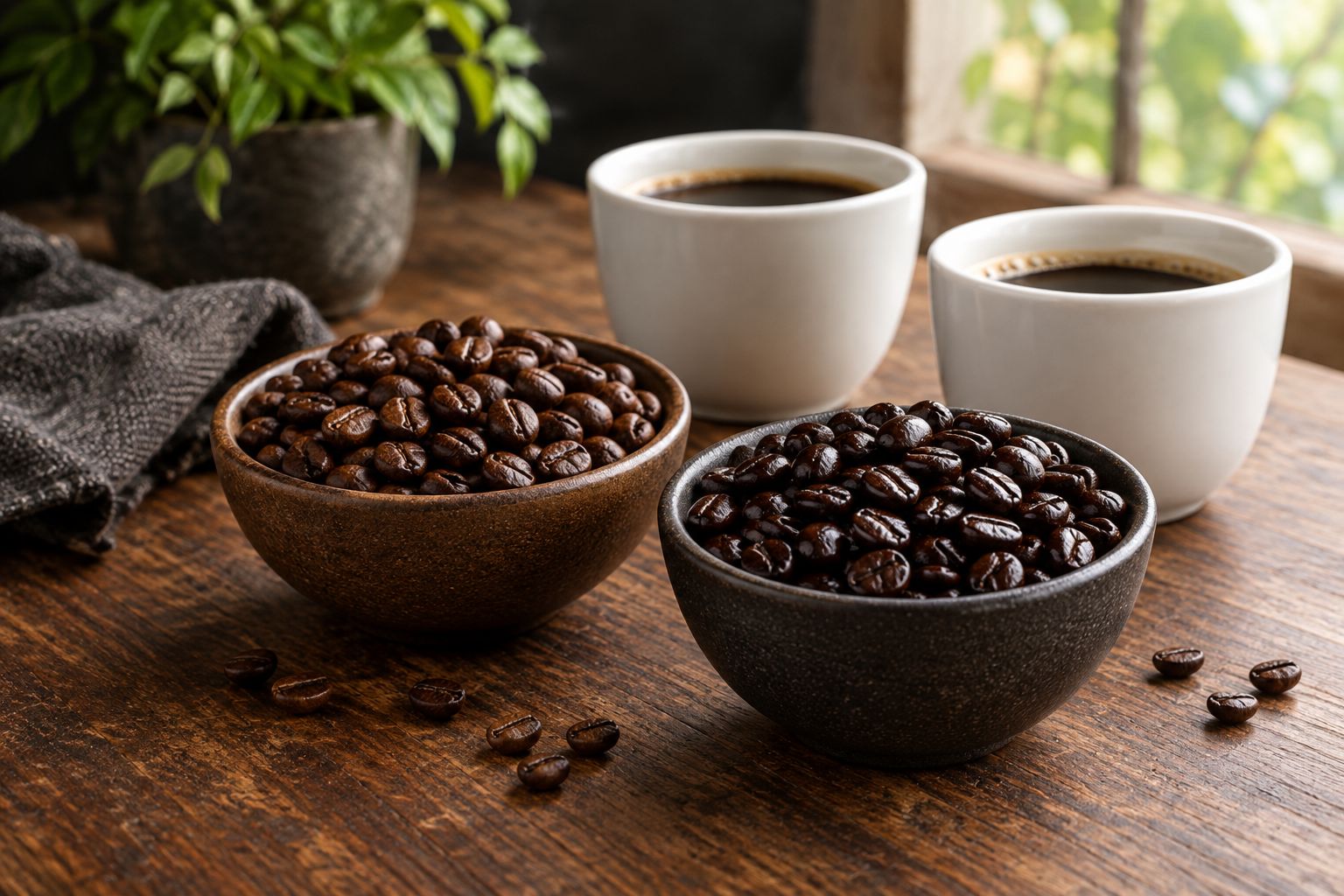
Bean color and surface sheen are clues, not a complete quality assessment. Neither tells you the roast date or whether you will enjoy the brewed cup.
Verdict: Skip Italian roast as a default; buy it only for a deliberate smoky preference.
How this ranking works
Vienna-style dark roast ranks first because it is the recommended starting point for everyday black coffee. French roast, dark blends, single-origin dark roast, and Italian roast each serve a different buying decision.
The order follows roast character, brewing fit, milk use, and the usefulness of the label. It is a selection guide, not a claim that every Vienna-style bag outperforms every French roast.
For Brew4UFresh dark roast coffee shopping, apply the same criteria to the actual coffee description. Freshly roasted beans and a suitable flavor profile answer different needs; check both.
Brew dark roast without letting bitterness take over
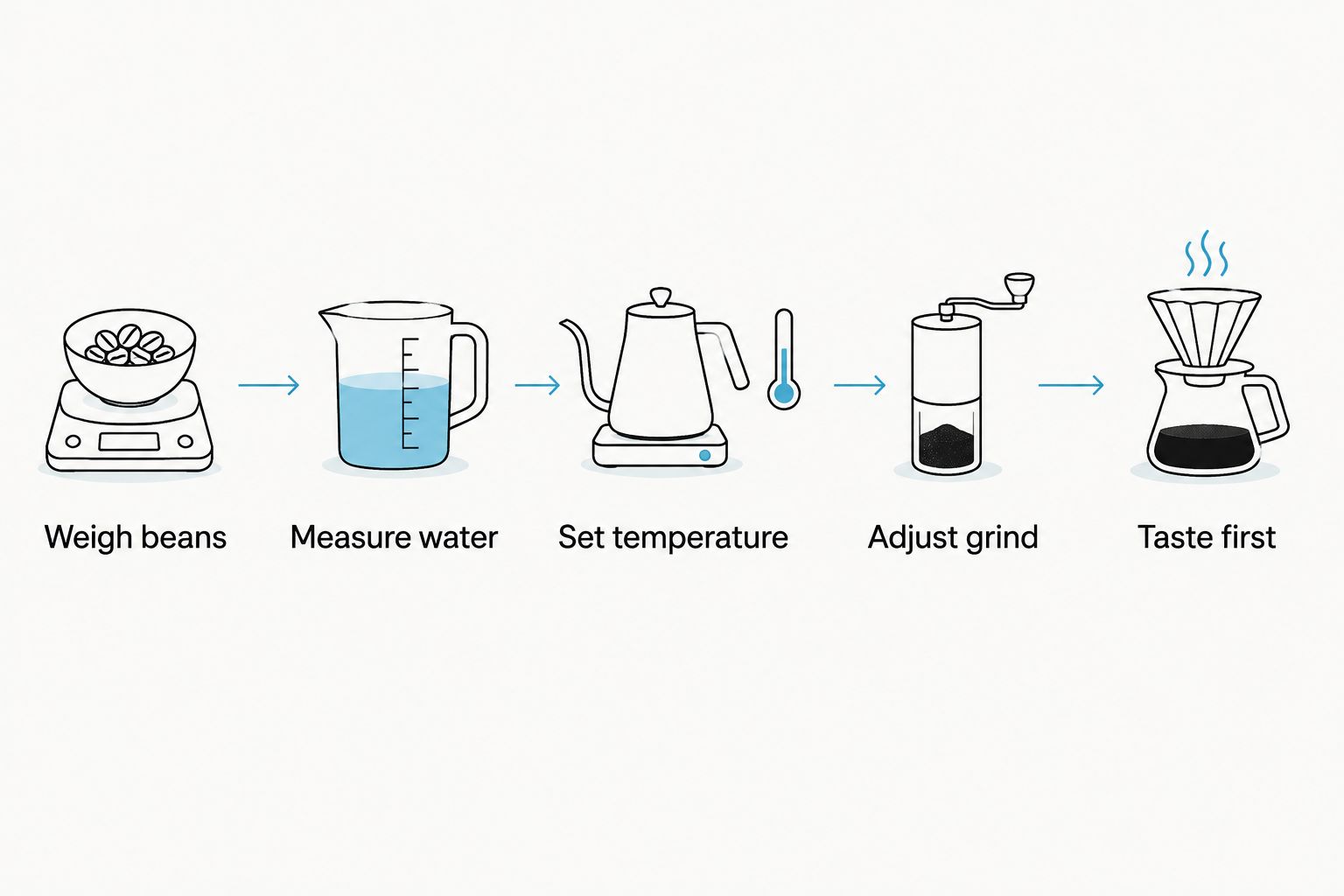
Start with a repeatable filter recipe, then adjust one variable at a time. These are suggested starting settings, not product-specific performance claims.
- Weigh beans: Use 18 g of coffee for your first comparison.
- Measure water: Use 300 g of brewing water, giving you a repeatable dose-to-water relationship.
- Set temperature: Start at 90°C. Compare a later brew at 93°C if you want to explore how temperature changes extraction.
- Adjust grind: If the cup tastes harsh and drying, try a coarser grind. If it tastes thin and sour, try a finer grind.
- Taste first: Taste the coffee before adding milk so you can separate bean flavor from the effect of your additions.
If changing the recipe does not remove a roast flavor you dislike, choose a less dark coffee. Brewing adjustments affect extraction; they do not reverse the roast.
Store beans in a sealed container away from heat, light, and moisture. Grind only the amount you need for the brew, and avoid using surface oil as a freshness test.
Which dark roast coffee beans should you choose?
Choose Vienna-style dark roast unless you already know you want something more roast-forward. It is the default for this 2026 guide because the undecided reader needs a starting point, not the darkest possible bean.
Choose French roast for coffee with milk, a dark blend for an espresso-focused comparison, and single-origin dark roast when source information matters to you. Choose Italian roast only when pronounced smoky bitterness is part of the appeal.
FAQ
What's the best dark roast coffee for drinking black?
Vienna-style dark roast is the recommended starting point for black coffee in this guide. Check the seller's tasting description because roast names vary between roasters.
Is French roast better than Italian roast?
French roast is the better starting point if you want pronounced roast flavor without deliberately choosing the very darkest style. Italian roast suits a specific preference for smoky, bitter coffee.
Does dark roast coffee have more caffeine?
Dark roast does not automatically mean more caffeine in your cup. Bean type, the amount of coffee used, and preparation affect the finished drink, so roast color alone is not a reliable guide.
Is dark roast coffee the same as espresso roast?
Dark roast and espresso roast are not the same thing. Dark roast describes roasting, while espresso is a brewing method; an espresso label does not define a universal roast level.
Why does my dark roast coffee taste bitter?
Your dark roast coffee can taste bitter because of its roast character, its extraction, or both. Try changing one brewing variable, then choose a less dark roast if the underlying flavor still does not suit you.
Can I use oily dark roast beans in an automatic machine?
Use oily dark roast beans only if your machine's instructions permit them. Check the grinder guidance before choosing beans, rather than assuming every automatic machine handles them the same way.
Does Brew4UFresh sell coffee for home brewing?
Brew4UFresh sells artisan roasted coffee blends, flavored coffee, and single-origin coffee for home drinkers. Choose dark roast coffee by the individual listing's roast and flavor description, not by the store name alone.
One last thing
Do not confuse tasting notes with added flavoring. A coffee described as chocolatey can get that impression from the beans and roasting, without containing chocolate. If you want flavored coffee—or want to avoid it—read the ingredient and product descriptions separately from the tasting notes.