Best overall for a classic citrus-and-floral cup: Brew4ufresh Earl Grey Loose Leaf Tea. Best for milk: a full-bodied black-tea Earl Grey. Best for an evening routine: decaffeinated Earl Grey. This 2026 guide compares Earl Grey styles by flavor, brewing needs, and how you drink your tea.
- Brew4ufresh Earl Grey Loose Leaf Tea suits home drinkers who want bergamot citrus and floral complexity.
- Choose full-bodied black-tea Earl Grey if you regularly add milk.
- Choose lavender or vanilla Earl Grey only when you want those flavors alongside bergamot.
- Decaffeinated Earl Grey reduces caffeine; it does not guarantee a caffeine-free cup.
Why this matters
Earl Grey names a flavor family, not one fixed recipe. Bergamot gives the tea its signature citrus character, but the tea base and added ingredients change what reaches your cup.
You can explore coffee, tea, and drinkware at Brew4ufresh. For this guide, the useful distinction is between a classic bergamot-focused tea and variations designed around milk, flowers, vanilla, or reduced caffeine.
The best Earl Grey is the one whose tea base and added flavors match how you actually drink it. A delicate cup served plain and a strong cup with milk need different things. Treat this 2026 ranking as a decision tree rather than a claim that one flavor wins for everyone.
What makes the best Earl Grey loose leaf tea?
Use these criteria before choosing a blend:
- Bergamot balance: Citrus should complement the tea rather than leave you tasting only perfume. Decide whether you prefer bergamot in the foreground or as a lighter accent.
- Tea body: A fuller black-tea base is a useful choice for milk. A lighter cup puts more attention on aroma and is better judged without additions first.
- Added flavors: Lavender and vanilla change the drink. Choose them deliberately rather than assuming every Earl Grey tastes like the classic version.
- Caffeine fit: Traditional black-tea Earl Grey contains caffeine. Choose a clearly labeled decaffeinated version when reducing caffeine is your priority.
- Brewing control: Loose leaf lets you adjust leaf quantity and infusion time separately. An infuser with room for the leaves makes that adjustment easier.
- Ingredient clarity: Read the actual ingredient list. A product name alone does not establish its tea origin, bergamot source, or added flowers.
Leaf appearance is not enough to settle quality. You still need a cup that tastes good at a repeatable brewing setting.
Earl Grey styles at a glance
These picks occupy different use cases. The first is a named product; the remaining entries are blend styles to look for when comparing ingredient lists in 2026.
| Pick | Best for | Standout feature | Key limitation |
|---|---|---|---|
| Brew4ufresh Earl Grey Loose Leaf Tea | Classic citrus-and-floral drinking | Described with floral complexity and distinctive bergamot citrus | Not a mint-led or roasted-green-tea choice |
| Full-bodied black-tea Earl Grey | Adding milk | Tea body remains part of the drink alongside milk | A stronger base can overshadow delicate citrus notes |
| Lavender Earl Grey | A flower-forward cup | Lavender adds another floral layer | The added flower changes the classic profile |
| Vanilla Earl Grey | A rounded, dessert-style aroma | Vanilla accompanies the bergamot | Vanilla flavor does not mean the tea is sweetened |
| Decaffeinated Earl Grey | Reducing caffeine | Keeps the Earl Grey format with reduced caffeine | Decaffeinated does not mean caffeine-free |
1. Brew4ufresh Earl Grey: best for a classic citrus-and-floral cup
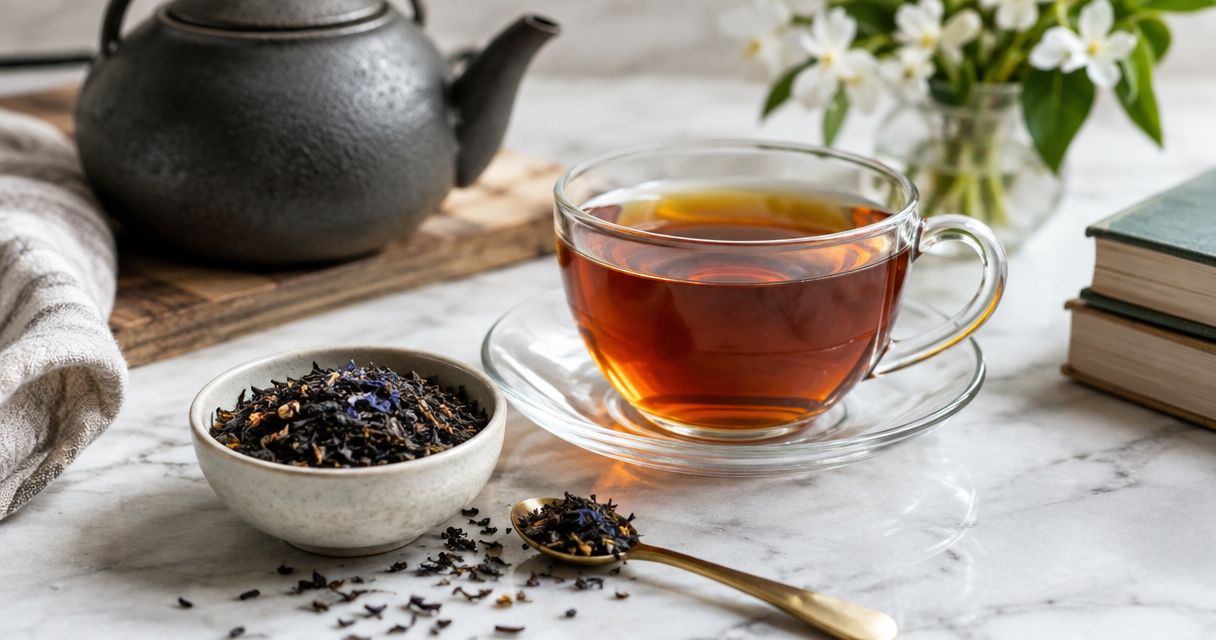
Brew4ufresh Earl Grey Loose Leaf Tea is described around floral complexity and bergamot's distinctive citrus character. That makes it the relevant starting point here for home drinkers seeking an Earl Grey profile rather than a different flavored tea.
Start by drinking it plain. You will get a clearer sense of whether the citrus and floral character fit your preference before milk or sweetener changes the cup.
Brew4ufresh Earl Grey pros:
- Its stated flavor profile directly matches the classic bergamot-led Earl Grey use case.
- The loose-leaf format lets you adjust the amount of tea you brew.
- Floral complexity gives you a reason to assess aroma as well as strength.
Brew4ufresh Earl Grey cons:
- Bergamot is the wrong direction if you dislike citrus-scented tea.
- Loose leaf requires an infuser, strainer, or another way to separate the leaves.
Best for: Home tea drinkers who want a citrus-and-floral Earl Grey as their starting point.
Verdict: Buy for the stated bergamot-and-floral profile; skip if you want a different flavor family.
2. Full-bodied black-tea Earl Grey: best for adding milk
A full-bodied black-tea Earl Grey puts more emphasis on the tea beneath the bergamot. That is a useful distinction when milk is part of every cup, because milk changes both the texture and the perceived flavor balance.
Look for a product description that explicitly identifies a strong or full-bodied black-tea base. Do not infer strength from dark packaging, a dramatic name, or the presence of bergamot alone.
Full-bodied black-tea Earl Grey pros:
- Gives milk drinkers a tea-forward starting point.
- Lets you keep black-tea character alongside citrus aroma.
- Fits a familiar hot-tea routine without needing extra flavor ingredients.
Full-bodied black-tea Earl Grey cons:
- A stronger tea base is not the same as stronger bergamot.
- Oversteeping black tea can add bitterness and drying astringency.
Best for: People who consistently drink Earl Grey with milk.
Verdict: Buy for milk; skip if your priority is a delicate cup served plain.
3. Lavender Earl Grey: best for a flower-forward cup
Lavender Earl Grey adds lavender to the bergamot-tea combination. The result is a different flavor target, not simply an upgraded classic Earl Grey.
Choose this style when you already enjoy lavender in food or drinks. If you are still learning whether you like bergamot, start with a classic blend so you can judge that ingredient separately.
Lavender Earl Grey pros:
- Makes the floral direction an explicit part of your choice.
- Offers a clear alternative to a citrus-led classic blend.
- Suits drinkers who want to taste the tea without milk first.
Lavender Earl Grey cons:
- Lavender can compete with the bergamot for attention.
- The flower-forward character is a poor fit if you dislike perfumed flavors.
Best for: Tea drinkers who specifically want lavender alongside bergamot.
Verdict: Buy if lavender is the attraction; skip if you want an unmodified classic profile.
4. Vanilla Earl Grey: best for a dessert-style aroma
Vanilla Earl Grey combines bergamot with vanilla flavor. It gives you a different aromatic direction without requiring you to turn every cup into a sweetened drink.
Check the ingredients before assuming the blend contains sugar, cream, or dairy. Words such as cream or creamy in a tea name do not, by themselves, establish what is in the package.
Vanilla Earl Grey pros:
- Adds a distinct vanilla note to the citrus profile.
- Offers a dessert-style aroma for people who enjoy flavored tea.
- Can serve as the flavor base for a homemade tea latte.
Vanilla Earl Grey cons:
- Vanilla shifts attention away from a purely bergamot-led cup.
- A flavored blend does not replace the milk or sweetener in a latte recipe.
Best for: Drinkers who want vanilla aroma with their Earl Grey.
Verdict: Buy for vanilla; skip if you want to judge tea and bergamot without another flavor.
5. Decaffeinated Earl Grey: best for reducing caffeine
Decaffeinated Earl Grey is the relevant style when caffeine reduction matters more than choosing a floral or vanilla variation. Look for an explicit decaffeinated label rather than assuming a mild-tasting tea has less caffeine.
Decaffeination reduces caffeine but does not guarantee its complete removal. If you need to avoid caffeine entirely, do not treat decaf Earl Grey as automatically suitable.
Decaffeinated Earl Grey pros:
- Keeps bergamot-flavored tea in a reduced-caffeine routine.
- Gives you a direct selection criterion beyond taste.
- Avoids relying on cup color or perceived strength to judge caffeine.
Decaffeinated Earl Grey cons:
- Residual caffeine remains possible.
- The flavor needs to be assessed on its own; it is not guaranteed to match another blend.
Best for: People reducing caffeine who still want the Earl Grey flavor family.
Verdict: Buy for caffeine reduction; skip if your requirement is no caffeine.
How we ranked these Earl Grey choices
This 2026 ranking separates the choices by drinking habit: classic citrus-and-floral flavor, milk, lavender, vanilla, and reduced caffeine. The criteria are ingredient fit, tea body, flavor additions, and brewing control.
The named product recommendation rests on its supplied flavor description. The other recommendations describe established blend styles, not tested products or verified differences between named competitors. No tasting scores or performance claims are attached to them.
How to brew Earl Grey loose leaf tea
For a conventional black-tea Earl Grey, a useful starting recipe is 2 grams of leaf per 240 milliliters of water, brewed near boiling at 95–100°C for 3–5 minutes. Follow the package instructions first, especially when the blend uses a different tea base.
These are starting settings, not a guarantee that every Earl Grey needs the same treatment. Measure consistently so you can make a deliberate adjustment on your next cup.
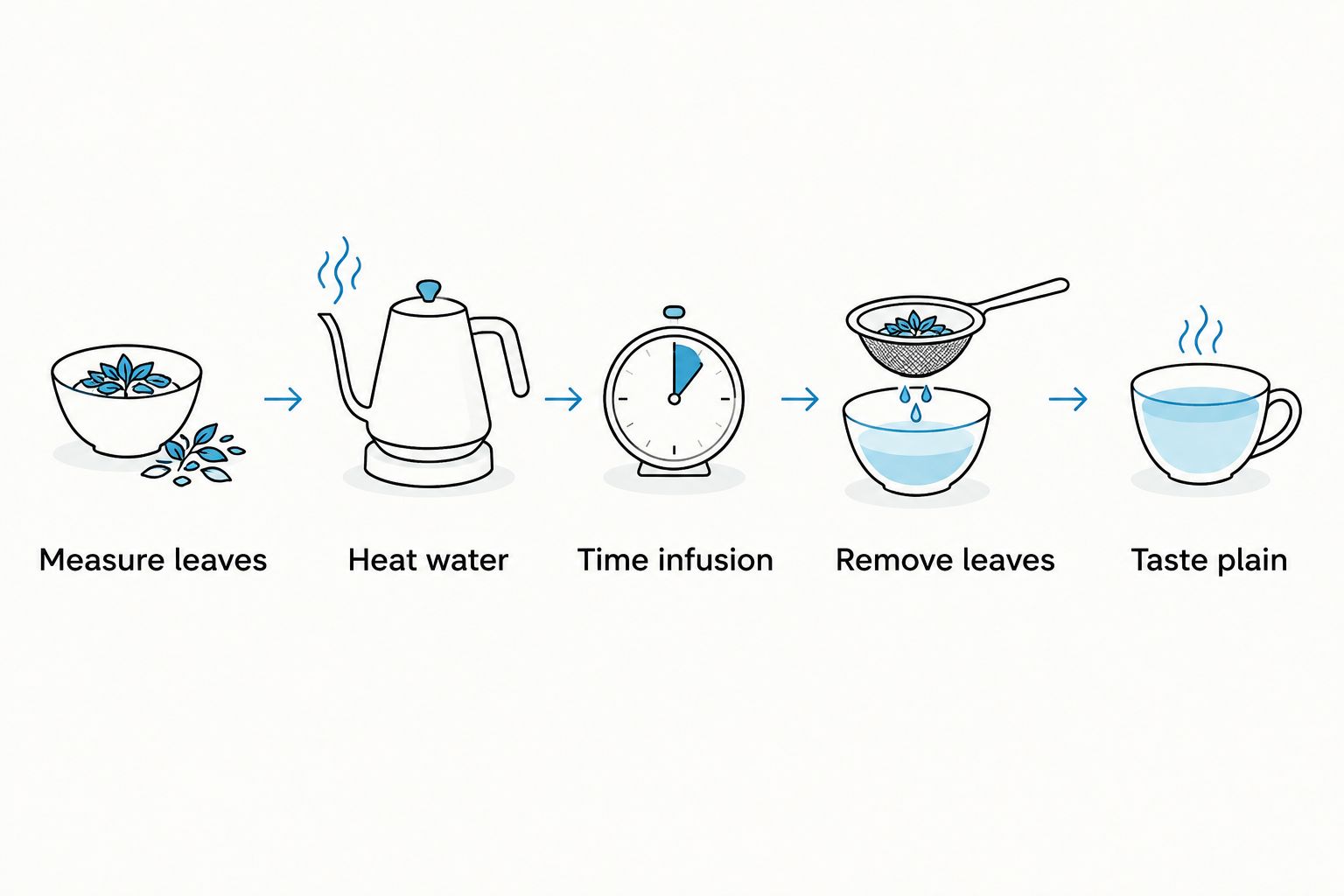
- Measure leaves: Use a scale when possible. Spoon measurements change with leaf size and shape.
- Heat water: Use the temperature recommended for the tea base. Black tea and green tea do not automatically share the same instructions.
- Time infusion: Set a timer instead of leaving the leaves in while you drink.
- Remove leaves: Separate the tea from the leaves when the infusion ends.
- Taste plain: Judge the tea before adding milk, sugar, or another ingredient.
Change one brewing variable at a time
If your Earl Grey tastes weak but not bitter, increase the leaf quantity on the next brew. If it tastes bitter or leaves your mouth dry, shorten the infusion before deciding that the blend is wrong for you.
Do not change leaf quantity, water temperature, and time together. You will lose track of which adjustment improved the result.
For milk tea, brew a tea-forward cup rather than relying on a long infusion to create strength. Remove the leaves before adding milk. That keeps brewing time under your control.
What to check before ordering in 2026
Read the ingredient list before the tasting notes. Confirm the tea base, whether the product is decaffeinated, and whether lavender, vanilla, or other additions are present.
Check the brewing directions too. An Earl Grey made with green tea needs a different approach from a conventional black-tea version, even though both use the Earl Grey name.
For loose leaf, choose an infuser with room for the leaves and a mesh fine enough to keep small pieces out of your cup. A cramped infuser makes the brewing setup less forgiving.
Store the tea tightly closed, away from heat, light, moisture, and strong kitchen odors. Aroma is part of what you are buying, so an open package beside spices is the wrong storage setup.
Which Earl Grey should you choose?
Choose the classic citrus-and-floral option if you are undecided. It gives you the clearest starting point before adding another flavor or changing the caffeine requirement.
Choose a full-bodied black-tea version if milk is non-negotiable. Choose lavender or vanilla because you want that added ingredient, not because the variation sounds more elaborate.
For your 2026 tea routine, keep the decision simple: flavor first, tea base second, caffeine requirement checked before purchase. A blend that fits those preferences is more useful than a ranking built around somebody else's favorite cup.
FAQ
What's the best Earl Grey loose leaf tea for a beginner?
A classic bergamot-focused Earl Grey is the best starting style for a beginner. Taste it plain first so you can judge the citrus and tea before trying lavender, vanilla, or milk.
Is loose-leaf Earl Grey better than Earl Grey tea bags?
Loose-leaf Earl Grey gives you more direct control over leaf quantity, but the format alone does not establish better flavor. Ingredients, storage, and brewing all affect the finished cup; tea bags are simpler when convenience is your priority.
What does bergamot taste like in Earl Grey?
Bergamot gives Earl Grey its distinctive aromatic citrus character. The balance varies with the tea base and any additional flavors, so lavender or vanilla versions do not taste identical to a classic blend.
How long should I steep Earl Grey loose leaf tea?
For conventional black-tea Earl Grey, start with 3–5 minutes unless the package gives different instructions. Remove the leaves when the time ends, and shorten the next infusion if the cup tastes bitter or drying.
Can I put milk in Earl Grey tea?
Yes, you can put milk in Earl Grey tea. A full-bodied black-tea version is the useful starting choice, and tasting it before adding milk helps you judge how much the milk changes the flavor.
Is decaffeinated Earl Grey completely caffeine-free?
No, decaffeinated Earl Grey is not guaranteed to be completely caffeine-free. Choose it for caffeine reduction, not as proof that the finished cup contains no caffeine.
What's the difference between Earl Grey and English breakfast tea?
Earl Grey is defined by bergamot flavor, while English breakfast is a black-tea blend style that does not require bergamot. Choose Earl Grey for citrus aroma and assess an English breakfast blend by its stated tea profile.
One last thing
A stronger-smelling dry tea is not automatically the tea you will prefer brewed. Judge the finished cup after the leaves are removed and before you add anything else.
Keep a brief note of your leaf quantity and infusion time. Repeating a cup you enjoy is more valuable than continually changing the recipe and blaming the blend.