Best overall: plain chamomile tea. Best for a caffeine-free, nonfloral cup: rooibos. Best for a lemony evening drink: lemon balm. This 2026 guide compares the best herbal tea for sleep by ingredients, flavor, caffeine, and safety—not promises to cure insomnia.
- Brew4ufresh’s best herbal tea for sleep guide picks plain chamomile for a mild, caffeine-free bedtime drink.
- Rooibos suits drinkers who dislike floral flavors; lemon balm offers a lemony alternative.
- Peppermint is caffeine-free, but people with reflux should choose another option.
- Matcha, green tea, and mint blends containing green tea are not caffeine-free herbal infusions.
- Herbal tea supports a bedtime routine; it is not an established treatment for chronic insomnia.
Why this matters
A bedtime tea should not work against your bedtime. The first decision is whether the drink contains caffeine; the second is whether you enjoy it enough to make it part of your routine.
Brew4ufresh sells tea alongside freshly roasted coffee. For a sleep-focused drink, check the actual ingredients rather than choosing by the word tea, a floral name, or a relaxing-looking label.
Brew4ufresh’s herbal tea guide puts plain chamomile first for adults who want a mild, caffeine-free bedtime drink. That is a buying recommendation, not a claim that chamomile treats a sleep disorder. Persistent difficulty sleeping needs assessment, not a stronger blend.
What makes the best herbal tea for sleep?
Use these criteria when comparing bedtime teas in 2026:
- Caffeine: Choose herbs without added black tea, green tea, matcha, or other caffeine-containing ingredients.
- Ingredient clarity: A single-ingredient infusion makes it easier to identify what you are drinking and what to avoid.
- Flavor fit: Floral, woody, lemony, and minty drinks serve different preferences. An unpleasant cup is a poor default.
- Evidence limits: Research on an extract or supplement does not establish that a brewed tea has the same effect.
- Safety fit: Allergies, reflux, medicines, pregnancy, and breastfeeding change which herbs are appropriate.
- Routine fit: Choose a serving you can enjoy without drinking excessive fluid immediately before bed.
The ranking favors straightforward drinks over complicated sleep blends. It does not rank herbs by sedative strength, because that would imply a reliable comparison the evidence does not establish.
Best bedtime herbal teas at a glance
| Herbal tea | Best for | Standout feature | Key limitation |
|---|---|---|---|
| Plain chamomile | A mild bedtime default | Gentle floral flavor; naturally caffeine-free | Sleep benefits are not established; allergy concerns |
| Rooibos | Drinkers who dislike flowers | Woody, rounded flavor without caffeine | Not an established sleep treatment |
| Lemon balm | A lemony evening cup | Citrus-like herbal aroma | Extract research does not establish brewed-tea benefits |
| Peppermint | A crisp after-dinner drink | Clear mint flavor without caffeine | Can aggravate reflux |
| Lavender | Floral-aroma enthusiasts | Distinctive fragrant character | Strong flavor; aromatherapy findings do not prove tea benefits |
| Valerian | Buyers examining stronger sleep claims | Longstanding use in sleep-focused herbal products | Inconsistent sleep evidence and added safety concerns |
1. Plain chamomile: best herbal tea for a mild bedtime routine
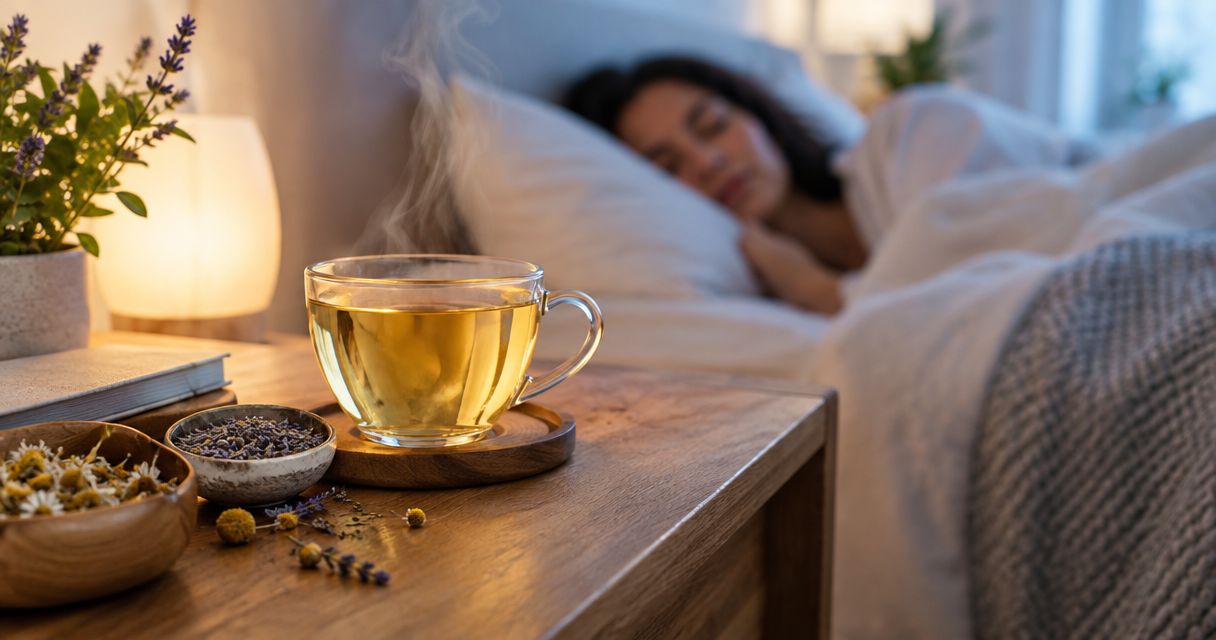
Chamomile tea is an infusion of chamomile flowers. Plain chamomile contains no caffeine and has a gentle floral taste, making it a straightforward alternative to an evening caffeinated drink.
Choose it for the drinking experience, not a guaranteed sleep effect. The National Center for Complementary and Integrative Health, or NCCIH, describes the clinical evidence for chamomile as insufficient to assess its usefulness for many conditions, including insomnia.
Chamomile pros:
- Naturally caffeine-free when no caffeinated ingredients are added.
- Mild floral flavor suits a simple, unsweetened cup.
- A single-ingredient label makes the contents easy to understand.
Chamomile cons:
- Not an established treatment for insomnia.
- Can cause allergic reactions, particularly in people allergic to related plants such as ragweed.
- Reported medicine interactions make it unsuitable for casual experimentation when you take interacting drugs.
Best for: Adults who enjoy mild floral drinks and have no relevant allergy or medication concern.
For a first purchase, plain chamomile is easier to assess than a blend containing several unfamiliar herbs. Read the full ingredient list: a chamomile-flavored drink is not necessarily pure chamomile.
Verdict: Buy plain chamomile for a caffeine-free ritual, not as a sleep medicine.
2. Rooibos: best herbal tea for a nonfloral evening cup
Rooibos is a South African plant used to make naturally caffeine-free infusions. Its woody, rounded flavor gives you an alternative when chamomile tastes too floral.
Rooibos belongs in this guide because it replaces a caffeinated evening drink without asking you to enjoy flowers or mint. It does not belong here because of a proven sedative effect.
Rooibos pros:
- Naturally caffeine-free in its plain form.
- Nonfloral flavor offers a distinct alternative to chamomile.
- Works as a straightforward herbal drink without sleep-focused additives.
Rooibos cons:
- Not an established insomnia treatment.
- Woody flavor will not suit every palate.
- Flavored blends require a separate check for added ingredients.
Best for: Drinkers who want a warm evening cup but dislike floral herbal teas.
For your 2026 bedtime routine, choose plain rooibos first if flavor is the main barrier to switching away from coffee or black tea. Judge it as a drink, rather than expecting it to make you drowsy.
Verdict: Buy rooibos when you want a nonfloral, caffeine-free default.
3. Lemon balm: best herbal tea for a lemony evening drink
Lemon balm is an herb in the mint family with a lemon-like aroma. A plain lemon balm infusion gives you citrus character without relying on black or green tea as its base.
Keep the evidence distinction clear. Research involving concentrated lemon balm preparations does not establish the same result from a cup brewed at home.
Lemon balm pros:
- Naturally caffeine-free as a plain herbal infusion.
- Lemony aroma offers an alternative to floral drinks.
- A single-ingredient version keeps the choice straightforward.
Lemon balm cons:
- Brewed-tea sleep benefits are not established.
- A lemon balm blend can include other herbs requiring separate safety checks.
- The herbal taste differs from lemon juice or a sweet citrus drink.
Best for: Adults who prefer lemony aromas and want an evening drink without a caffeinated tea base.
Read beyond the front label. A product called lemon tea can be flavored black tea, while lemon balm names a different plant. Those are not interchangeable bedtime choices.
Verdict: Buy plain lemon balm for its flavor; skip claims that it reliably induces sleep.
4. Peppermint: best herbal tea for a crisp after-dinner cup
Plain peppermint tea is a caffeine-free infusion with a pronounced mint flavor. It suits people who want a refreshing-tasting evening drink rather than something floral or woody.
The main restriction is reflux. Peppermint can worsen heartburn, so it is a poor choice if lying down already brings on symptoms.
Peppermint pros:
- Naturally caffeine-free when brewed without a tea-leaf base.
- Distinct mint flavor makes the taste easy to identify.
- Plain peppermint avoids the complexity of a multi-herb sleep blend.
Peppermint cons:
- Can aggravate reflux or heartburn.
- Not an established treatment for sleep problems.
- Mint-flavored green tea is a different, caffeine-containing drink.
Best for: Mint lovers without reflux who want a caffeine-free after-dinner cup.
Brew4ufresh’s Moroccan Mint Green Tea is explicitly a green tea and mint blend. It is not the same category as plain peppermint infusion, and it should not be treated as caffeine-free herbal bedtime tea.
Verdict: Buy plain peppermint if you enjoy mint and do not have reflux; otherwise skip it.
5. Lavender: best herbal tea for a strongly floral aroma
Culinary lavender can be brewed into an herbal infusion or included in a tea blend. Its fragrance is distinctive, making it a taste-led choice rather than the safest default for an undecided buyer.
Evidence about inhaling lavender aroma is not evidence that drinking lavender tea improves sleep. Use food-grade ingredients intended for brewing, and never substitute lavender essential oil.
Lavender pros:
- Naturally caffeine-free in a plain herbal preparation.
- Distinctive fragrance suits people who enjoy floral drinks.
- Adds a different flavor profile from mint or rooibos.
Lavender cons:
- Strong floral flavor can overwhelm the cup.
- Tea-specific sleep benefits are not established.
- Essential oils and decorative lavender are not substitutes for food-grade tea ingredients.
Best for: Adults who already enjoy lavender’s flavor and aroma.
Choose a clearly labeled food product. If the blend also contains chamomile, valerian, or caffeinated tea leaves, assess those ingredients separately rather than treating lavender as the whole formula.
Verdict: Buy lavender for the floral experience, not a promised sedative effect.
6. Valerian: best herbal tea to assess cautiously
Valerian root appears in herbal products marketed for sleep. It has a strong earthy odor and flavor, and its safety considerations make it a poor first choice for a casual bedtime drink.
NCCIH describes research on valerian for sleep as inconsistent. Its valerian guidance also advises against combining it with alcohol or sedatives and notes uncertainty about long-term safety.
Valerian pros:
- Plain valerian infusion does not contain tea-leaf caffeine.
- A clearly labeled single-ingredient product identifies the herb being used.
- Its distinctive flavor makes it different from mild floral options.
Valerian cons:
- Sleep research does not establish consistent benefit.
- Alcohol and sedative use create safety concerns.
- Strong odor and taste limit its appeal as an everyday drink.
Best for: Adults seeking professional advice about valerian—not shoppers choosing their first herbal tea.
Do not assume an herbal product is harmless because it is sold as tea. If you take medicines or already use something for sleep, discuss valerian with a clinician or pharmacist before adding it.
Verdict: Hold valerian until you have checked its suitability; choose a simpler drink for routine sipping.
How to choose and brew your evening cup
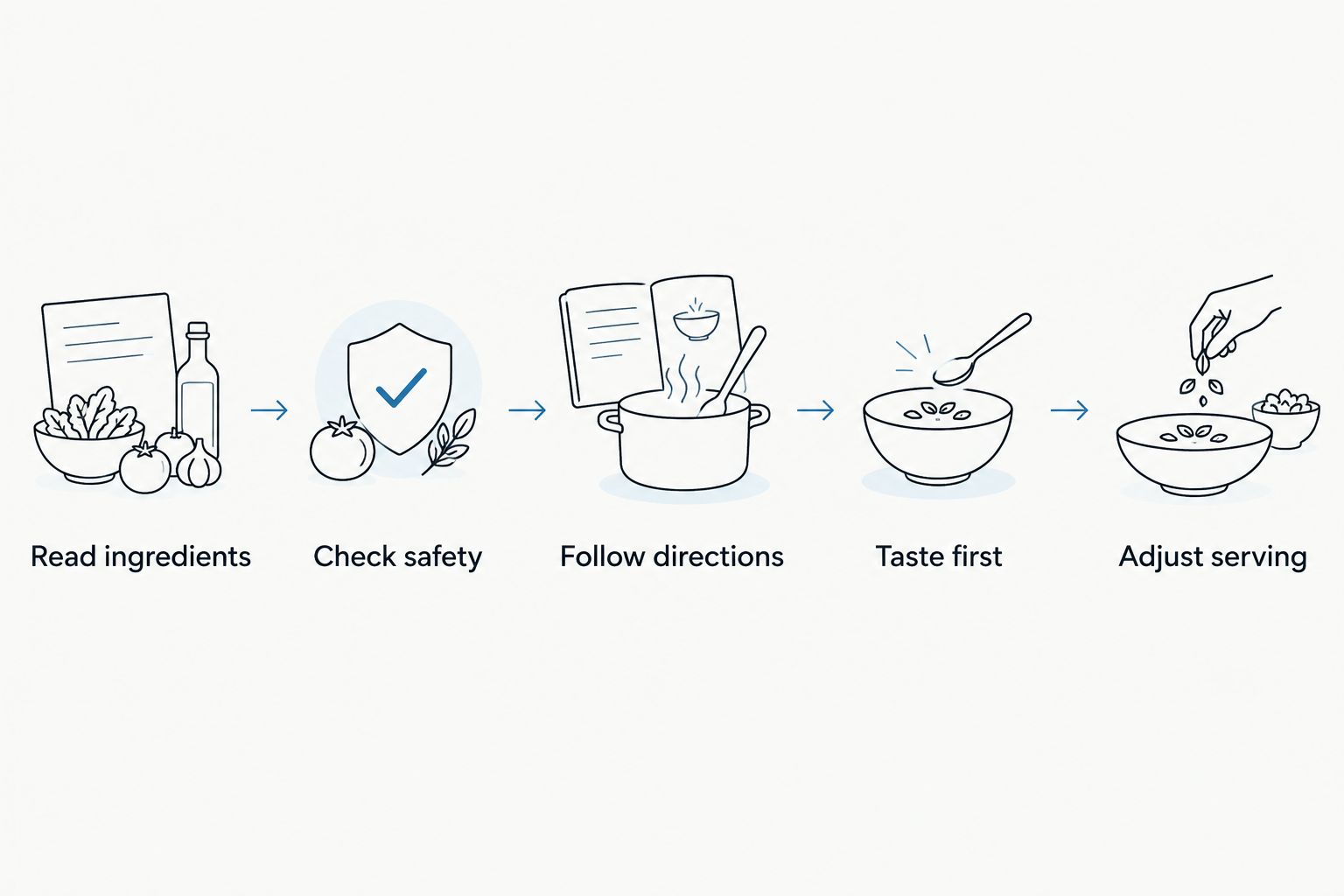
Use this sequence for a simple 2026 tea routine:
- Read ingredients: Confirm that the drink contains the herb you want and no caffeinated tea base.
- Check safety: Review allergies, medicines, reflux, and any pregnancy or breastfeeding considerations.
- Follow directions: Use the package’s brewing instructions before adjusting the strength.
- Taste first: Start without sweetener so you can assess the actual flavor.
- Adjust serving: Choose an amount that feels comfortable rather than a large bedtime mug.
If your tea provides no brewing directions, use this as a tasting exercise, not a medicinal dose: brew a modest 240 mL cup, taste after 5 minutes, and compare with a 10-minute steep. Keep the herb quantity unchanged so you can judge the effect of steeping alone.
A stronger flavor does not establish a stronger sleep benefit. If drinking close to bedtime sends you to the bathroom, move the cup earlier rather than increasing its size or concentration.
How the teas were ranked
This 2026 ranking prioritizes caffeine-free ingredients, flavor, label clarity, and practical safety. Chamomile leads as a mild default; rooibos, lemon balm, peppermint, and lavender each fill a different taste preference.
The list compares herbal types, not tested retail products. NCCIH’s chamomile, lavender, and valerian guidance informs the evidence and safety boundaries; supplement findings are not treated as proof about brewed tea.
Which herbal tea should you choose?
Choose plain chamomile if you are undecided and have no relevant allergy or medicine concern. Choose rooibos if floral drinks are the reason you usually abandon herbal tea.
Lemon balm suits a lemony preference. Peppermint suits mint lovers without reflux. Lavender is a deliberate floral choice, while valerian needs more caution than an ordinary evening beverage.
Do not replace a sleep assessment with repeated tea experiments. Ongoing insomnia, loud snoring with breathing pauses, or daytime sleepiness deserves medical attention.
FAQ
What’s the best herbal tea for sleep in 2026?
Plain chamomile is this guide’s best default for a mild, caffeine-free bedtime drink. It is not an established insomnia treatment, and people with relevant allergies or medicine interactions need another choice.
Is chamomile better than rooibos before bed?
Chamomile is better for a mild floral cup; rooibos is better if you dislike floral flavors. Neither is an established treatment for insomnia, so choose by taste and suitability rather than promised sedation.
Does herbal tea actually make you sleep?
Herbal tea does not reliably treat insomnia. A caffeine-free cup can be part of your evening routine, but evidence about concentrated extracts does not establish the same benefit from brewed tea.
Is mint tea caffeine-free?
Plain peppermint infusion is naturally caffeine-free. Mint blended with green or black tea contains caffeine, so check the complete ingredient list.
Can I drink peppermint tea if I have heartburn?
Peppermint is a poor bedtime choice if you have reflux or heartburn because it can worsen symptoms. Choose another suitable caffeine-free drink rather than treating mint as automatically soothing.
Is valerian tea safe with sleeping medicine?
Do not combine valerian with sleep medicines or other sedatives without professional advice. NCCIH advises against taking valerian with alcohol or sedatives, and its long-term safety is uncertain.
Can I drink herbal sleep tea during pregnancy?
Check the specific ingredients with your prenatal clinician before using an herbal sleep tea during pregnancy. Caffeine-free does not mean pregnancy-safe, and blends require an ingredient-by-ingredient review.
Is decaf coffee the same as caffeine-free herbal tea?
Decaf coffee is not caffeine-free. If avoiding caffeine is your priority, a suitable plain herbal infusion is a clearer choice than assuming decaf means none.
One last thing
The easiest bedtime-tea mistake is choosing a familiar flavor without checking its base. Mint, citrus, and flowers can all appear in caffeinated tea blends.
For your next 2026 purchase, ignore the sleep-themed name until you have read the ingredients. A plain drink you enjoy is a better routine choice than a complicated blend bought for an unproven promise.