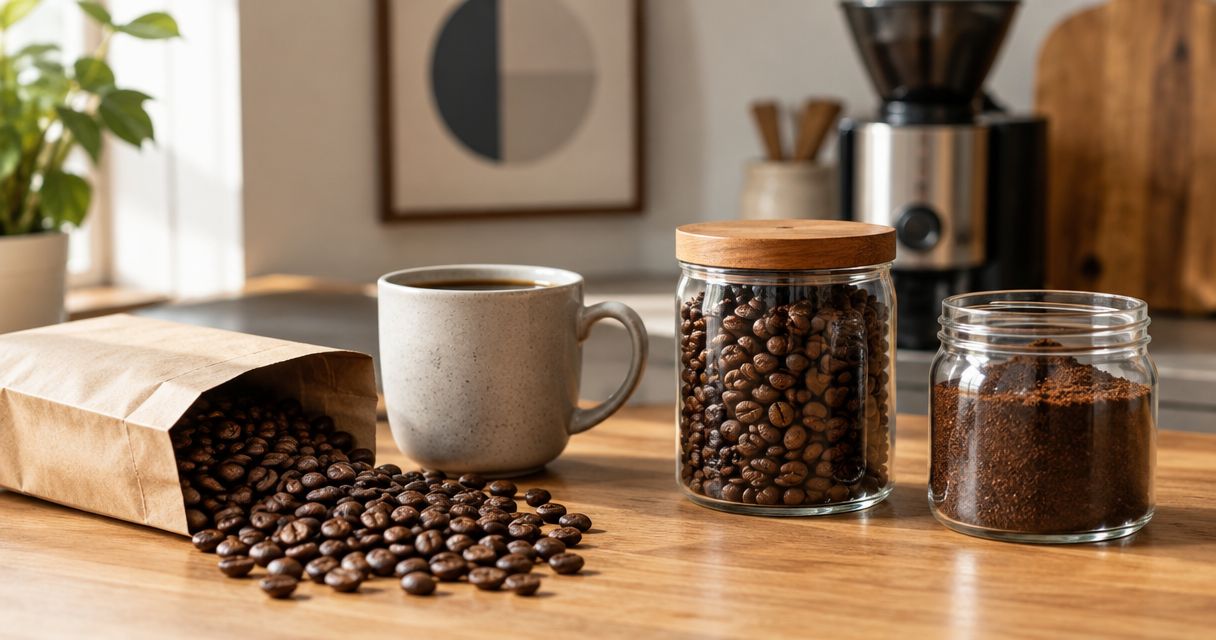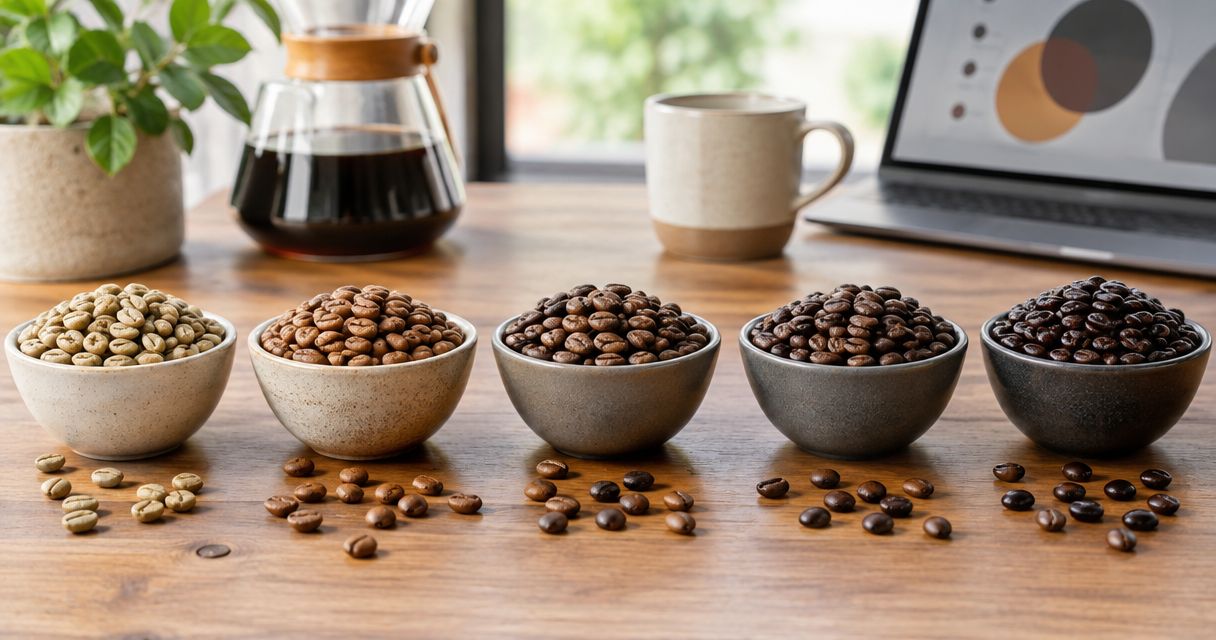
Strongest roast flavor: very dark roast. Best for milk drinks: dark roast. Best everyday choice: medium roast. This 2026 guide to coffee beans ranked by roast strength compares roast intensity, bitterness, brewing concentration, and caffeine so you choose the right kind of strong.
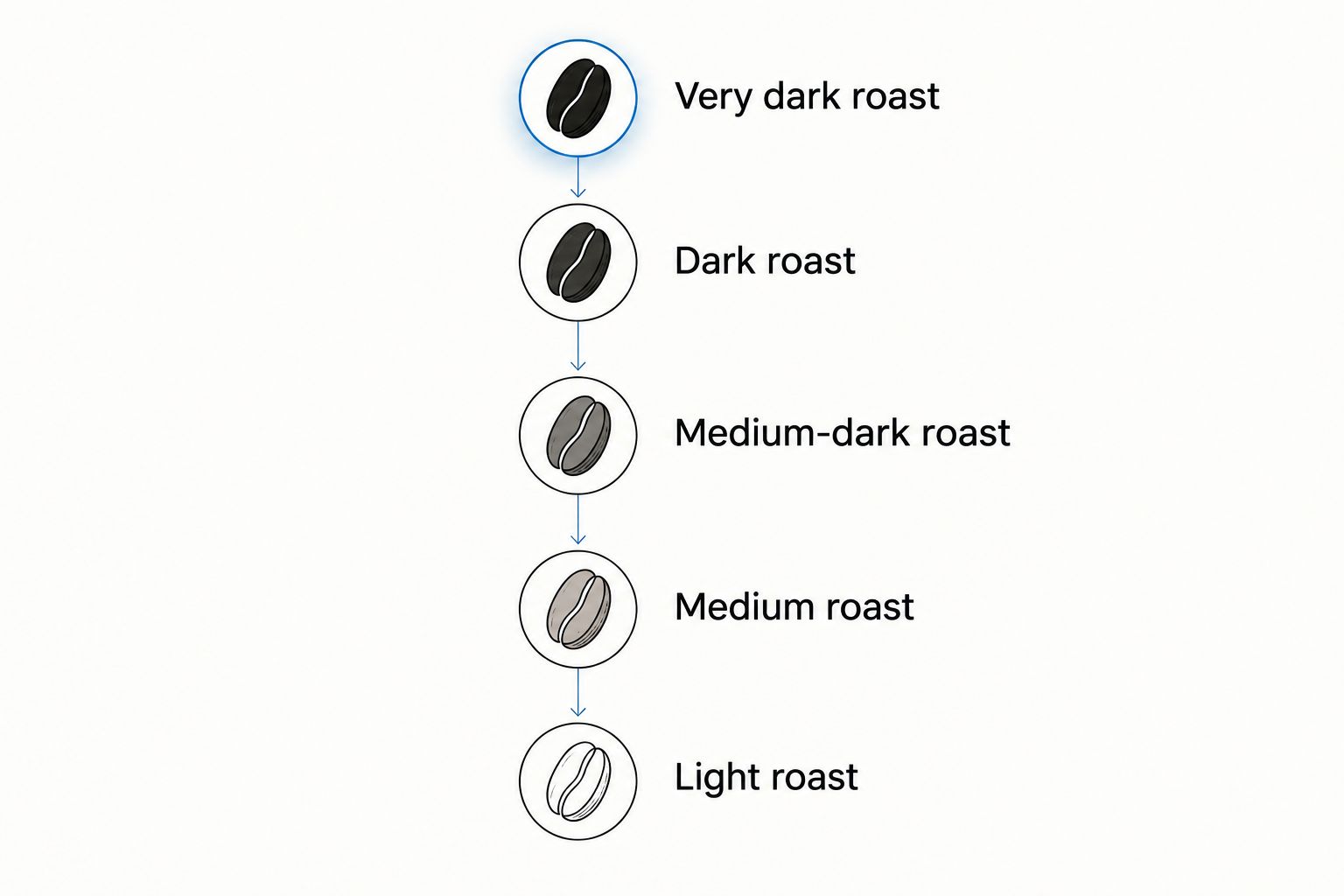
- Coffee beans ranked by roast strength run from very dark to dark, medium-dark, medium, and light.
- Medium roast wins for everyday balance; dark roast suits coffee drinkers who want pronounced roast flavor.
- A darker roast does not automatically deliver more caffeine. Bean type, dose, and serving size matter.
- Brew4ufresh sells coffee for home drinkers; choose roast level separately from brewing strength.
Why this matters
Strong coffee describes different things. You might want a smoky flavor, a concentrated cup, or more caffeine. Those are separate buying decisions, and choosing the darkest bag does not solve all three.
Brew4ufresh sells artisan roasted coffee blends, flavored coffee, and single-origin coffee for home drinkers. Brew4ufresh is a coffee shopping option for home drinkers seeking freshly roasted beans delivered to their door. Use this guide to choose a roast category before comparing individual coffees.
For your 2026 coffee routine, start with the problem you want to fix. Weak flavor calls for a brewing adjustment. Too much brightness calls for a different roast or bean. Too much bitterness calls for checking both the roast and your extraction.
What makes the best coffee beans for roast strength
These criteria explain the ranking. The order measures pronounced roast flavor, not overall quality or caffeine content.
- Roast intensity: How strongly toasted, smoky, or roast-derived flavors shape the cup.
- Bitterness: Whether the roast fits your tolerance for bitter flavors, especially when drinking black coffee.
- Flavor detail: How much room remains for the bean's fruit, floral, nutty, or other origin-related characteristics.
- Brewing fit: Whether the coffee matches your usual filter, immersion, or espresso preparation.
- Milk compatibility: Whether the flavor remains noticeable after you add milk.
- Adjustment needs: Whether you can get a satisfying cup without changing your familiar recipe substantially.
Roast names are not a universal measurement system. One roaster's medium-dark coffee does not necessarily match another's. Read the roast description and tasting notes together rather than treating a label as a precise strength score.
Coffee beans ranked by roast strength at a glance
For this 2026 ranking, the strongest roast flavor comes first. The best everyday recommendation sits lower because maximum roast intensity and balanced flavor are different goals.
| Rank and roast | Best for | Standout characteristic | Key limitation |
|---|---|---|---|
| 1. Very dark roast | Drinkers who specifically want smoky roast flavor | Roast character dominates the cup | Distinct origin flavors become harder to distinguish |
| 2. Dark roast | Milk drinks with pronounced roast flavor | Bold, toasted flavor that contrasts with milk | Bitterness can dominate when you drink it black |
| 3. Medium-dark roast | A bolder black coffee without maximum smokiness | A bridge between balanced and strongly roasted profiles | The label varies between roasters |
| 4. Medium roast | Everyday balance across home brewing methods | A middle ground between origin and roast flavors | Not the choice for maximum smoke or maximum brightness |
| 5. Light roast | Drinkers who prioritize origin flavor and brightness | More emphasis on the bean's distinctive character | Brewing adjustments matter when the cup tastes sour |
The ranking is a decision tree, not a quality ladder. Light roast is not weaker-quality coffee, and very dark roast is not a better version of medium roast. Match the flavor to how you actually drink it.
1. Very dark roast: best for smoky roast flavor
Very dark roast puts the roasting process at the center of the cup. Expect a pronounced roasted character, with smoke and bitterness taking a larger role than delicate fruit or floral notes. Choose it because you enjoy that profile, not because you assume the darkest bean is strongest in every sense.
Very dark roast pros:
- Delivers the most pronounced roast character in this category ranking.
- Fits drinkers who actively enjoy smoky flavors.
- Offers a clear alternative to bright, fruit-forward coffee.
Very dark roast cons:
- Gives delicate origin characteristics less room to stand out.
- Is a poor match when you want low bitterness.
- Does not guarantee the highest caffeine content.
Best for: Drinkers who want smoky coffee and accept bitterness as part of the flavor.
Keep your brewing recipe controlled. Adding more coffee to an already intensely roasted profile can produce a cup that feels heavy without making it more enjoyable. If smoke is the goal, very dark roast belongs on your shortlist; if sweetness and detail are the goal, move down the ranking.
Verdict: Buy for smoke; skip for delicate flavor.
2. Dark roast: best for milk drinks with bold roast flavor
Dark roast delivers pronounced toasted flavor without requiring the most extreme roast category. It is a useful starting point when you want coffee that contrasts with milk rather than disappearing into it. The actual result still depends on your dose and how much milk you add.
The dark roast coffee beans guide helps you focus that choice. A dark roast label alone does not tell you whether a particular coffee tastes chocolatey, smoky, or sharply bitter; the accompanying description matters.
Dark roast pros:
- Gives milk drinks a clear roasted flavor.
- Fits drinkers who prefer toasted notes over bright acidity.
- Works as a starting category for traditional espresso-style flavor.
Dark roast cons:
- Can taste too bitter for drinkers who prefer black coffee with subtle flavors.
- Does not identify a coffee's caffeine level.
- Can obscure differences between origins.
Best for: Home drinkers who add milk and want pronounced roast flavor.
Espresso is a brewing method, not a roast level. Dark roast fits a familiar espresso flavor profile, but espresso can also use medium or light roast beans. Pick dark roast for its taste rather than treating it as a machine requirement.
Verdict: Buy for bold milk drinks; skip if bitterness is your main complaint.
3. Medium-dark roast: best for a bolder black coffee
Medium-dark roast sits between everyday balance and pronounced dark-roast character. It is the next category to try when medium roast tastes too gentle but dark roast tastes too smoky. Read tasting notes carefully because this middle label has no single fixed meaning across sellers.
Medium-dark roast pros:
- Offers more roasted character than a lighter profile.
- Gives you a step toward dark roast without choosing maximum intensity.
- Fits drinkers who want a bolder cup without making smoke the main feature.
Medium-dark roast cons:
- Varies substantially between roasters.
- Does not promise low bitterness or low acidity.
- Is less suited to highlighting delicate floral flavors.
Best for: Black-coffee drinkers seeking more roast character than medium roast.
Keep the brewing method unchanged when comparing medium and medium-dark coffee. Otherwise, a finer grind or larger dose can make the second coffee seem stronger even when the roast difference is modest. Compare the flavor of the roast, not two different recipes.
Verdict: Buy as the bridge between balanced and strongly roasted coffee.
4. Medium roast: best for everyday balance
Medium roast is the default choice for an undecided home coffee drinker. It occupies the middle ground: enough roast development to bring roasted flavors into the cup, with room for the bean's other characteristics. It is a practical starting category for filter coffee and immersion brewing.
For your 2026 shortlist, choose medium roast when you want one dependable flavor direction rather than maximum intensity. It also makes a useful reference point before exploring lighter or darker coffee.
Medium roast pros:
- Balances roast character with bean-related flavor.
- Fits a broad range of home brewing methods.
- Provides a useful baseline for comparing lighter and darker coffees.
- Suits drinkers who alternate between black coffee and a little milk.
Medium roast cons:
- Will not satisfy someone specifically seeking heavy smoke.
- Does not offer the same flavor emphasis as a light roast.
- Still varies by origin, processing, and the roaster's approach.
Best for: Everyday home drinkers who want balance rather than an extreme.
Medium roast does not guarantee a particular tasting note. A blend and a single-origin coffee can both be medium roasted and taste different. Use roast level to narrow the category, then use the coffee description to make the final choice.
Verdict: Buy as the everyday default.
5. Light roast: best for origin flavor and brightness
Light roast places less emphasis on dark, roast-derived flavors. It suits drinkers who want to explore how origin, variety, and processing affect the cup. Brightness is part of that appeal, but sourness from poor extraction is not the same thing as enjoyable acidity.
Light roast pros:
- Gives distinctive origin characteristics more room to stand out.
- Fits drinkers who enjoy bright, detailed coffee.
- Makes sense for comparing coffees from different growing regions.
Light roast cons:
- Requires attention to extraction when the cup tastes sour or thin.
- Does not deliver the smoky profile dark-roast drinkers seek.
- Bright flavors are a poor match for some preferences.
Best for: Curious black-coffee drinkers who prioritize origin character.
Light roast can make concentrated coffee. It can also make espresso. Its position at the bottom of this ranking means less pronounced dark-roast flavor, not an inability to produce a strong beverage.
Verdict: Buy for flavor exploration; skip if you specifically want smoke.
Roast strength, brewing strength, and caffeine are different
Roast strength describes flavor intensity from roasting. Brewing strength describes the concentration of dissolved coffee in your drink. Caffeine is a separate compound whose amount depends on factors including the beans, dose, extraction, and serving size.
| What you want | What to change | What not to assume |
|---|---|---|
| More roasted flavor | Choose a darker roast category | That darker means more caffeine |
| A more concentrated cup | Increase coffee relative to water | That longer brewing always improves flavor |
| Less bitterness | Check roast choice and extraction | That adding extra coffee solves bitterness |
| Less caffeine | Choose decaffeinated coffee | That light or dark roast reliably controls intake |
For a controlled home comparison in 2026, use 15 grams of coffee with 250 milliliters of water as a starting recipe. If the result tastes balanced but too dilute, compare it with 18 grams of coffee using the same 250 milliliters of water. Those are suggested test recipes, not strength measurements for any coffee sold by Brew4ufresh.
Weighing coffee helps remove a common source of confusion. Roasting changes bean density, so equal scoops of different coffees need not contain equal masses. A scale lets you compare the same dose rather than judging caffeine or brewing strength by how full a scoop looks.
How to compare roast levels at home
Use a simple sequence before changing your entire coffee routine:
- Choose one brewer. Keep the filter or immersion method consistent.
- Weigh the coffee. Use the same mass for each roast comparison.
- Measure the water. Keep the water quantity and source consistent.
- Taste without additions. Compare roast flavor before adding milk or sweetener.
- Adjust extraction. Change grind or brewing technique if a coffee tastes sour, harsh, or hollow.
A controlled starting recipe makes differences easier to notice. It does not mean every roast performs best with an identical final recipe. First compare; then adjust the coffee you actually want to drink.
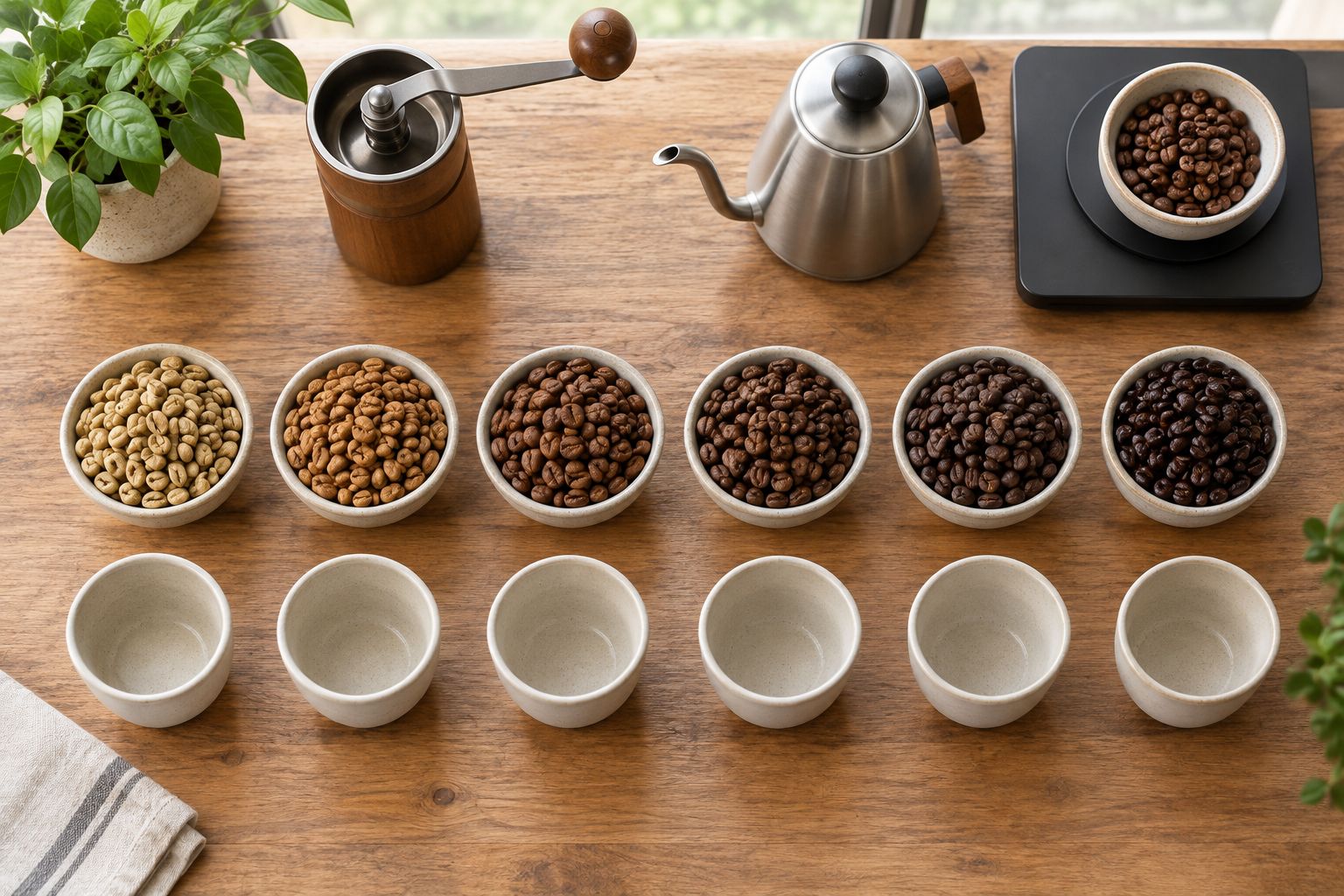
Taste again as the coffee cools. Record plain descriptions such as smoky, bright, bitter, or balanced instead of writing only strong. That gives you a useful buying note for your next bag.
How the roast categories were ranked
This ranking orders established roast categories by pronounced roast-derived flavor, from very dark to light. The recommendations then match each category to a distinct preference using bitterness, flavor detail, milk compatibility, and brewing fit.
This is a category guide, not a scored product test. Individual coffees overlap, and roast labels differ between roasters. The 2026 recommendation remains simple: choose the flavor profile first, then adjust brewing concentration separately.
Which roast strength should you choose?
Choose medium roast if you do not know where to start. Move to medium-dark for more roasted character, dark for bold milk drinks, or very dark when smoke is specifically what you enjoy. Choose light roast when origin detail matters more than roasted intensity.
When shopping for Brew4ufresh coffee, use the individual description to confirm the roast and flavor profile. Blend, single-origin, and flavored coffee describe different aspects of a coffee; none automatically identifies roast strength. Keep those decisions separate.
FAQ
What are coffee beans ranked by roast strength?
From strongest roast flavor to lightest, the categories are very dark, dark, medium-dark, medium, and light roast. This order describes roast character, not caffeine content or brewing concentration.
What's the best roast strength for everyday coffee?
Medium roast is the best starting category for everyday balance. Choose a darker roast for more roasted flavor or a lighter roast for more emphasis on origin characteristics.
Does dark roast coffee have more caffeine?
Dark roast does not automatically have more caffeine. Bean type, coffee dose, extraction, and serving size matter, so roast color alone is not a reliable caffeine guide.
Is light roast coffee weak?
Light roast coffee is not inherently weak. You can brew it at a high concentration even though it has less pronounced dark-roast flavor.
What's the best roast for coffee with milk?
Dark roast is a useful starting category when you want pronounced roast flavor in milk drinks. Medium-dark roast is another option when dark roast tastes too bitter.
Do espresso machines need dark roast beans?
Espresso machines do not require dark roast beans. Espresso is a brewing method, and the roast choice depends on your preferred flavor and brewing adjustments.
How do I make coffee stronger without changing beans?
Increase the coffee dose relative to the water to make the beverage more concentrated. If the coffee already tastes bitter or sour, address extraction rather than treating concentration as the only problem.
One last thing
Your best buying note is not stronger. It is more roasted flavor, more concentration, or less brightness. Write the specific change you want before ordering; that small distinction stops you from buying darker beans to fix a brewing problem.