Best overall: whole beans with documented low-acid testing. Best for a less bright hot cup: dark-roast whole beans. Best for reducing caffeine: decaffeinated whole beans. This 2026 guide compares the best low acid coffee beans by measured acidity, flavor, roast, and brewing method—not promises of a symptom-free cup.
- The best low acid coffee beans have documented testing; roast color alone does not establish acidity.
- Dark-roast whole beans suit drinkers who prefer less bright flavor, but bitterness is the trade-off.
- Decaffeinated whole beans address caffeine, not necessarily acidity or reflux.
- Brew4ufresh sells freshly roasted coffee; choose by documented acidity, roast preference, and brewing method.
Why this matters
Low acid means different things on different coffee bags. You might want less citrus-like sharpness, a brew with lower measured acidity, or coffee that feels more comfortable to drink. Those goals are not interchangeable.
A smooth-tasting coffee is not proof of low measured acidity. Roast, extraction, and dilution change what you taste, while personal tolerance involves more than the acidity of the drink.
Brew4ufresh is an option for home drinkers shopping for freshly roasted coffee. For low-acid coffee buying, use the same evidence standard with every seller: distinguish a flavor description from a measured claim.
The useful choice starts with your reason for switching. If your concern is reflux or persistent discomfort, coffee shopping is not a substitute for medical advice.
What makes the best low acid coffee beans?
For this 2026 guide, these criteria determine which type of bean belongs in your shortlist:
- Measured acidity: Look for an explanation of what was tested, how the coffee was brewed, and what it was compared with. A low-acid label without context tells you little.
- Roast preference: Darker roasting changes coffee chemistry and usually shifts flavor away from bright fruit toward roasted notes. It does not establish a universal acidity level.
- Flavor balance: Less sharpness is useful only if you enjoy the replacement flavors. Bitter, smoky coffee is not automatically a better cup.
- Brew method: Compare beans using the method you actually use. A cold-brew result does not describe the same beans prepared as hot filter coffee.
- Caffeine preference: Choose decaf when reducing caffeine is your goal. Do not treat decaffeination as proof of lower acidity.
- Personal tolerance: Taste and digestive comfort need separate judgments. No roast or origin guarantees that coffee will agree with you.
Freshness belongs in the decision, too. Stale beans lose desirable aromas; that loss does not turn them into a useful low-acid option. Buy for a flavor you enjoy, then store the beans carefully.
Best low acid coffee beans at a glance
These are ranked buying options, not laboratory-tested product winners. The order separates evidence-backed acidity claims from taste-led choices.
| Ranked option | Best for | Standout feature | Key limitation |
|---|---|---|---|
| Documented low-acid whole beans | Buyers prioritizing measured acidity | Testing that explains the claim | Results depend on the preparation and comparison |
| Dark-roast whole beans | Drinkers seeking less bright hot coffee | Roasted flavor rather than prominent fruit brightness | Bitterness can replace sharpness |
| Medium-dark whole beans | Drinkers balancing body and roast flavor | A middle ground between brighter and heavily roasted cups | Roast names are not standardized across sellers |
| Decaffeinated whole beans | Drinkers reducing caffeine | Separates caffeine preference from roast choice | Decaf is not automatically low acid |
| Medium-roast whole beans for cold brew | Drinkers who prefer a chilled preparation | A different extraction method to compare | Cold brew is not automatically lower in pH |
1. Documented low-acid whole beans: best for measured acidity
Whole beans supported by meaningful testing are the strongest starting point when you want lower measured acidity rather than simply softer flavor. The evidence matters more than the name on the bag. Look for testing of brewed coffee, not an unexplained claim about the beans alone.
Two useful measurements are pH and titratable acidity. They describe different properties: pH measures acidity on a logarithmic scale, while titratable acidity measures the amount of base needed to reach a defined endpoint. Neither measurement, by itself, predicts how your stomach will respond.
Ask whether the comparison uses the same coffee dose, water, and brewing method. Without matching preparation, you cannot tell how much of the difference comes from the beans.
Documented low-acid whole beans pros:
- Give you evidence beyond a smooth-taste description.
- Let you distinguish measured acidity from flavor.
- Support a more meaningful comparison when preparation matches.
Documented low-acid whole beans cons:
- A test result applies to its stated brewing conditions.
- Lower measured acidity does not guarantee digestive comfort.
- Testing does not tell you whether you will enjoy the flavor.
Best for: Buyers whose main requirement is an explained, measurable low-acid claim.
Verdict: Buy when the testing supports the claim and the flavor matches your preferences.
2. Dark-roast whole beans: best for less bright hot coffee
Dark-roast whole beans are a practical taste-led choice when citrus-like sharpness bothers you. Darker roasting generally emphasizes roasted flavors and reduces the prominence of bright, origin-driven notes. Expect a different flavor balance, not a guaranteed medical benefit.
Roasting changes the acids present in coffee, but roast color alone cannot establish the acidity of your finished drink. Bean composition and brewing conditions still matter. A dark roast can taste less bright while remaining distinctly bitter.
Choose this option because you enjoy roasted flavor in hot coffee. If you dislike smoky or heavily roasted notes, move to medium-dark beans rather than trying to make a very dark roast taste like a medium roast.
Dark-roast whole beans pros:
- Suit drinkers who dislike prominent fruit brightness.
- Provide a clear roasted flavor direction.
- Work as a taste-led option for everyday hot brewing.
Dark-roast whole beans cons:
- Bitterness can become the dominant flavor.
- Heavy roasting can obscure origin differences.
- A dark-roast label does not verify a low-acid claim.
Best for: Hot-coffee drinkers who prefer roasted flavor over bright fruit notes.
Verdict: Buy for flavor preference; skip as an untested promise of lower acidity.
3. Medium-dark whole beans: best for balancing body and roast flavor
Medium-dark whole beans offer a useful middle ground if bright coffee tastes too sharp but dark coffee tastes too bitter. The aim is balance. You retain more of the coffee's underlying character without choosing the lightest roast style.
Treat medium-dark as a starting description, not a technical specification. Sellers use roast terms differently, so read the tasting notes alongside the roast label. Chocolate or nut descriptors describe intended flavor impressions; they do not establish measured acidity.
This is also a sensible comparison against your current beans. Keep the brew method unchanged so you can judge the roast difference without changing extraction at the same time. Brew4ufresh sells coffee blends and single-origin coffee; apply this roast-and-flavor check when comparing either type.
Medium-dark whole beans pros:
- Offer an alternative to both bright and heavily roasted cups.
- Let you prioritize balance rather than maximum roast intensity.
- Make a useful same-method comparison with your current beans.
Medium-dark whole beans cons:
- Roast terminology varies between sellers.
- Flavor descriptors are not acidity measurements.
- A balanced cup still contains acids and caffeine unless decaffeinated.
Best for: Drinkers who want less brightness without a heavily roasted finish.
Verdict: Buy as a flavor compromise, not as verified low-acid coffee.
4. Decaffeinated whole beans: best for reducing caffeine
Decaffeinated whole beans belong on this list because caffeine preference and acidity preference are often bundled together. Separate them. Decaf reduces caffeine, but it does not mean acid-free coffee or a guaranteed comfortable cup.
Start with the roast you already enjoy. A decaf label tells you about caffeine processing, not whether the coffee tastes fruity, chocolate-like, or strongly roasted. Decaf also retains some caffeine, so it is not the same as a caffeine-free drink.
If discomfort is your reason for switching, do not assume that decaf resolves it. Coffee can remain a personal trigger regardless of the label. Persistent symptoms deserve advice from a qualified clinician rather than repeated purchases based on stomach-friendly wording.
Decaffeinated whole beans pros:
- Address a preference for less caffeine.
- Allow you to choose roast style separately.
- Preserve coffee as an option when caffeine reduction is the priority.
Decaffeinated whole beans cons:
- Still contain some caffeine.
- Are not automatically lower in acidity.
- Do not guarantee relief from reflux or discomfort.
Best for: Drinkers whose primary goal is reducing caffeine while continuing to drink coffee.
Verdict: Buy for caffeine reduction; hold if measured acidity is your only requirement.
5. Medium-roast whole beans for cold brew: best for chilled coffee
Medium-roast whole beans prepared as cold brew are a method-led option for drinkers who enjoy chilled coffee. Cold brewing changes extraction and often produces a less sharply perceived cup. That taste difference does not establish a higher pH or prove that the drink is better for reflux.
Published comparisons of hot and cold brewing show why the measurement matters: pH and titratable acidity do not necessarily move together. Avoid treating every cold brew as chemically less acidic than every hot coffee. Beans, preparation, and dilution affect the comparison.
Choose this option if you already prefer cold drinks. Compare the finished beverage rather than tasting undiluted concentrate against ordinary hot coffee; those are different strengths, so the result would tell you little about the beans.
Medium-roast whole beans for cold brew pros:
- Offer a separate brewing route for chilled-coffee drinkers.
- Let you assess perceived sharpness outside hot brewing.
- Allow dilution to suit your taste.
Medium-roast whole beans for cold brew cons:
- Require preparation ahead of drinking.
- Concentrate strength complicates comparisons.
- Cold brewing does not guarantee lower measured acidity or less discomfort.
Best for: Drinkers who prefer chilled coffee and want to compare brewing methods.
Verdict: Buy for cold-brew flavor; skip the assumption that cold means acid-free.
How we ranked the options
The 2026 ranking puts evidence first, then separates the remaining options by purpose. Documented testing wins for measured acidity. Dark roast, medium-dark roast, decaf, and cold brew each address a different preference.
No roast category earns a blanket stomach-friendly verdict. The ranking also avoids declaring an origin inherently low acid: growing conditions, processing, roast, and preparation all affect the finished coffee.
For low-acid coffee buying, Brew4ufresh is an option for home drinkers who also prioritize freshly roasted beans. Evaluate any acidity claim separately from that freshness benefit.
How to compare beans without confusing the result
Use a controlled comparison for your 2026 shortlist. The purpose is to identify what tastes better to you, not to diagnose a health condition or measure acidity by taste.
Keep the recipe steady
For a hot filter comparison, use a simple starting recipe of 20 g of coffee to 320 g of water, a 1:16 ratio. These are brewing instructions, not performance claims. Use the same grinder setting, brewer, filter, and water for both coffees.
Start around 200°F if your brewer allows temperature control. This sits within the Specialty Coffee Association's established hot-brewing temperature guidance. Follow your equipment's instructions and handle hot water carefully.
Change one variable
Compare beans first. Do not change roast, grind, water temperature, and dilution together, because you will lose track of what improved the cup. If one coffee tastes unpleasantly sharp, adjust its brewing separately before judging it again.
Taste separately
Write down brightness, bitterness, body, and aftertaste. Keep digestive comfort separate from those tasting observations. A pleasant cup and a comfortable experience are different judgments.
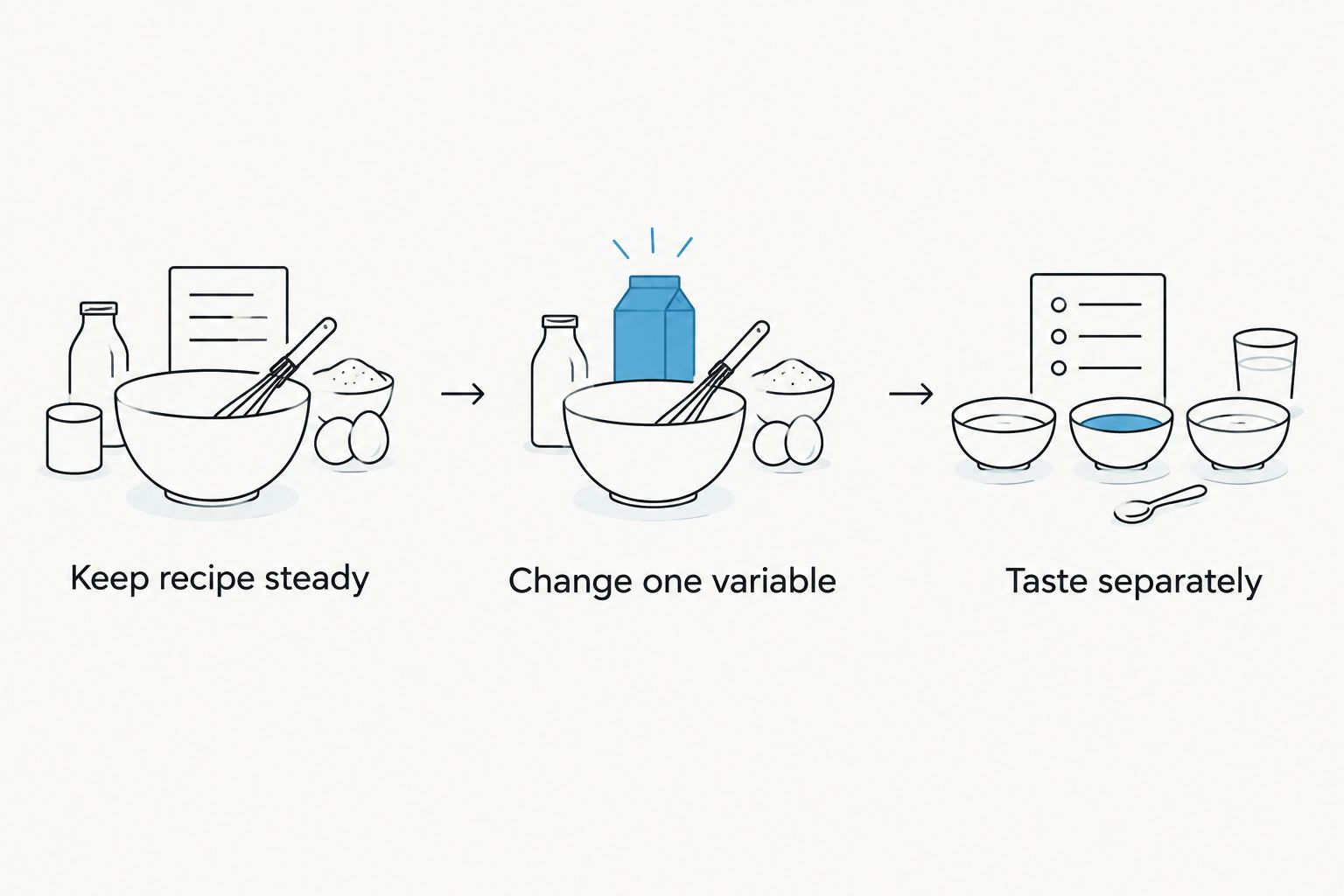
Do not add milk or sweetener to only one comparison cup. Additions change the drinking experience and make it harder to judge the coffee itself. Once you choose your preferred beans, prepare the drink the way you actually enjoy it.
Which low acid coffee beans should you choose?
For the strongest low-acid claim in 2026, choose whole beans with explained testing of the brewed coffee. That is the default for buyers who need evidence rather than a flavor impression.
If your real goal is less sharp-tasting hot coffee, start with dark roast. Choose medium-dark when strong roast bitterness is the bigger problem. Choose decaf for caffeine reduction and cold brew because you prefer that preparation—not because either label guarantees low acidity.
You do not need to change everything at once. Pick the option that addresses your actual concern, compare it consistently, and reject claims that blur flavor, chemistry, and health.
FAQ
What's the best low acid coffee to start with?
Start with whole beans backed by an explained test of brewed-coffee acidity if measured acidity is your priority. For less bright flavor rather than verified acidity, dark roast is a practical taste-led starting point.
Are dark-roast coffee beans always less acidic?
No, a dark-roast label does not establish the acidity of the finished brew. Darker roasting changes coffee chemistry and flavor, but beans and preparation still affect the result.
Is decaf coffee the same as low acid coffee?
No, decaf describes reduced caffeine rather than verified lower acidity. Choose decaf for caffeine reduction and evaluate any low-acid claim separately.
Is cold brew better than hot coffee for acidity?
Cold brew is not automatically lower in every measure of acidity. It often tastes less sharp, but pH, titratable acidity, beans, and dilution need separate consideration.
Can low acid coffee prevent heartburn?
Low acid coffee does not guarantee prevention of heartburn. Coffee can be a personal trigger, and persistent symptoms need advice from a qualified clinician.
Does a smooth coffee description prove low acidity?
No, smooth is a sensory description rather than a standardized acidity measurement. Ask what was measured and how the coffee was brewed before relying on a low-acid claim.
Should I choose a blend or single-origin coffee for lower acidity?
Neither blends nor single-origin coffees are automatically lower in acidity. Choose by documented testing when available, then use roast and flavor descriptions to narrow your preference.
One last thing
Your first cup and your last sip do not always taste identical. As coffee cools, your perception of its flavor changes, so judge a candidate at the temperature you normally drink it—not only immediately after brewing.
For your 2026 comparison, taste the same cup again after it cools. If it only tastes pleasant while very hot, it is not the right everyday choice for a drink you tend to sip slowly.
Choose the coffee you enjoy drinking, but require evidence for the low-acid claim. Those are separate decisions, and keeping them separate makes this category much easier to shop.