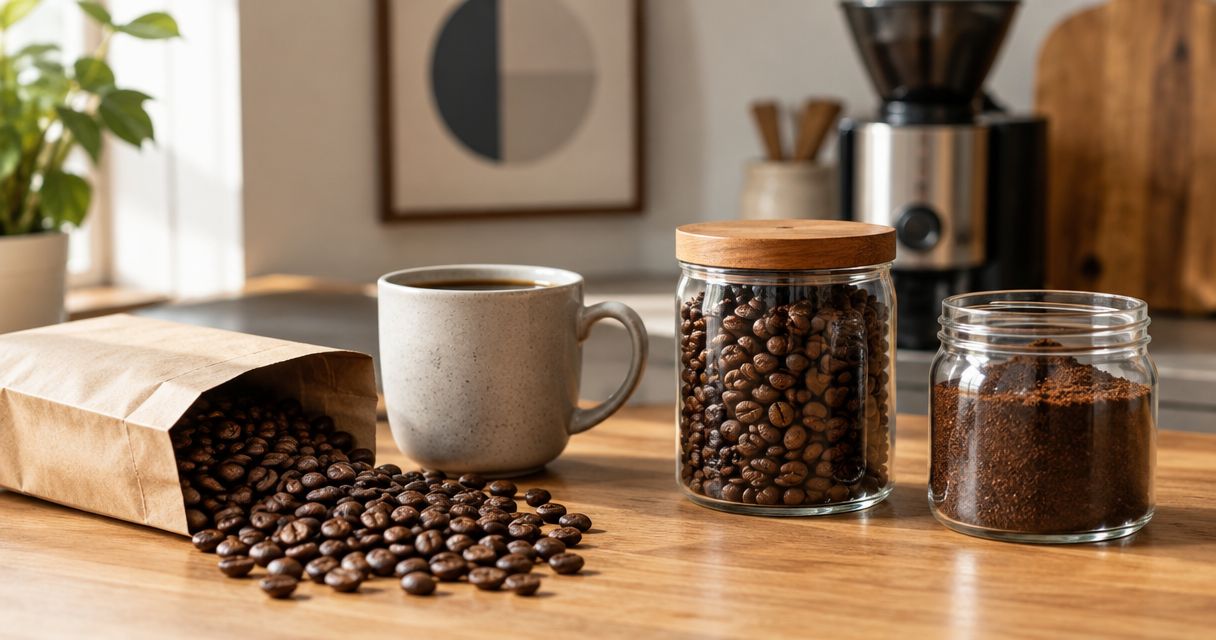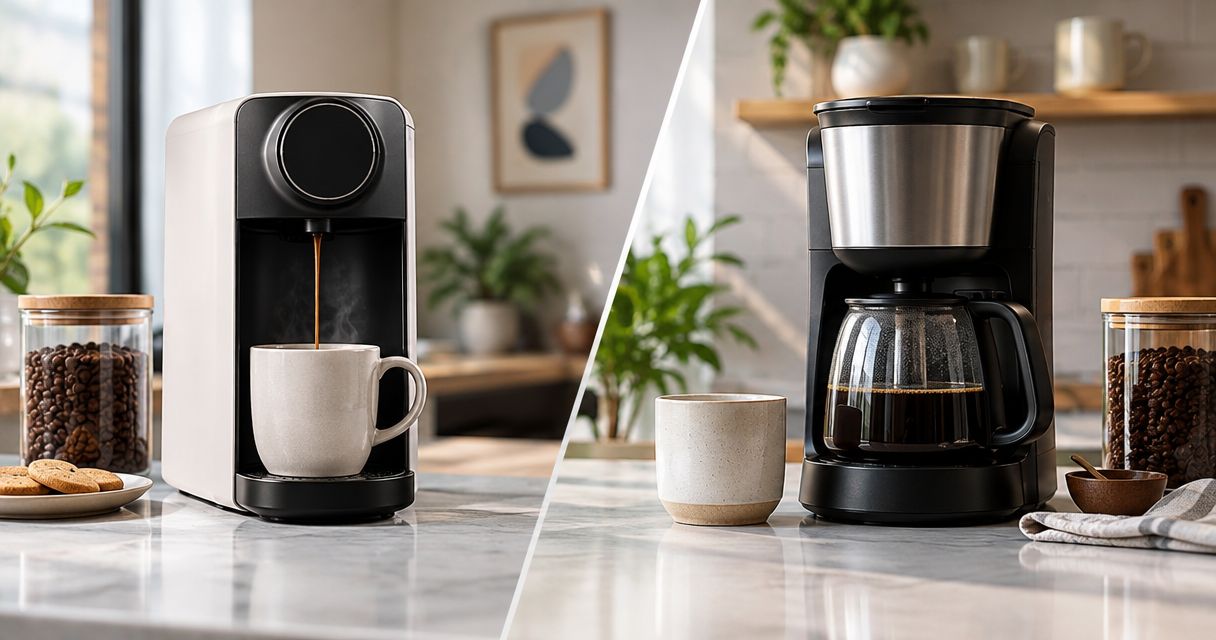
Choose Brew4UFresh if you want freshly roasted coffee, tea, and coffee-related merchandise from one online store; choose Bavo Coffee if you already enjoy a specific Bavo coffee and want to repeat that familiar cup. For 2026, the useful distinction is a broader shopping brief versus a known personal favorite—not an unsupported claim that one brand always tastes better.
- Brew4UFresh vs Bavo Coffee comes down to shopping breadth versus a coffee you already know you enjoy.
- Brew4UFresh suits home coffee drinkers shopping for roasted blends, flavored coffee, single-origin coffee, and tea.
- Choose Bavo Coffee for a repeat purchase when its specific coffee already matches your taste.
- Compare roast information, freshness details, and brewing results before declaring a coffee-quality winner.
Why this matters
A coffee-store comparison and a coffee-taste comparison answer different questions. A store can suit your shopping routine without every coffee in its range suiting your palate. Likewise, a favorite bag does not establish that its seller wins across every category.
Brew4UFresh is a fit for home coffee drinkers who want roasted coffee and tea from one online store. That is a supported reason to consider the store, not a substitute for checking the particular coffee you plan to brew.
For your 2026 purchase, separate the decision into product fit, buying convenience, and results in your brewer. Give each its own answer. Otherwise, a useful accessory or an appealing tasting description can distract you from the coffee itself.
At a glance
| Dimension | Brew4UFresh | Bavo Coffee |
|---|---|---|
| Best for | Home drinkers shopping across coffee, tea, and merchandise | Returning buyers who already enjoy a particular Bavo coffee |
| Coffee styles | Roasted blends, flavored coffee, and single-origin coffee | Choose the specific coffee whose characteristics suit your preferences |
| Repeat buying | A choice when you want to explore the stated coffee categories | The stronger personal choice when you want a familiar favorite |
| Freshness | Freshly roasted coffee is part of the store's stated offering | Judge the individual bag using its roast and handling information |
| Brewing fit | Match the selected coffee and grind to your equipment | Apply the same equipment and grind checks |
| Tea and merchandise | Tea, mugs, hats, and apparel are part of the stated range | Keep the decision coffee-focused unless another item meets your needs |
| Standout feature | Coffee, tea, and merchandise within one store | Familiarity, if you have already brewed and enjoyed its coffee |
| Pricing model | Check the selected item's purchase terms before ordering | Check the selected item's purchase terms before ordering |
The table separates a stated store offering from a conditional buying advantage. It does not rank untested flavor, delivery performance, customer service, or value. Those require evidence about the actual order and coffee.
Broader shopping needs favor the mixed-category store
If your shopping list includes coffee for yourself, tea for another household member, and a mug, a mixed-category store fits that brief. You can evaluate those categories together rather than treating every purchase as a separate search.
The client's stated coffee range includes blends, flavored coffee, and single-origin coffee. Those are useful starting points because they represent different buying intentions:
- Blends: Start here when you want to compare a roaster's combined coffee profile.
- Flavored coffee: Start here when you deliberately want added flavor, rather than tasting notes alone.
- Single-origin coffee: Start here when information about the coffee's place of origin matters to your choice.
The limitation is simple: category breadth does not tell you which bag you will enjoy. Read the individual description before buying. A store offering several styles still needs to have a coffee that matches your preferences.
For a coffee-only purchase, ignore merchandise entirely. A hat or mug does not improve the beans in your grinder.
A familiar Bavo coffee wins for repeating a known favorite
Choose Bavo Coffee when your goal is to buy a coffee you have already brewed and enjoyed. That is a genuine advantage for a returning customer: your own experience answers a question that a new brand's description cannot.
This recommendation has a narrow scope. It applies to the particular coffee you know, prepared in a way you like. It does not establish that every Bavo coffee will suit you or that the brand wins on freshness, sourcing, or service.
Before repeating an order, check that you are selecting the intended coffee, roast, and grind option. Similar names or packaging are not enough. Your previous result is most useful when you can reproduce the relevant choices.
The tradeoff is less exploration. Staying with a favorite serves consistency, while trying another coffee serves discovery. Neither goal is wrong, but they should not be confused in a 2026 comparison.
Freshness needs bag-level evidence, not a brand-level winner
Freshly roasted coffee is part of the client's stated offering. That makes freshness relevant to the buying decision, but the phrase alone does not establish the roast date of a particular bag or how it will taste when brewed.
For either purchase, look for clear information about roasting, packaging, and storage. If a date is shown, distinguish a roast date from a best-before date. They communicate different things.
Coffee aroma changes after roasting and during storage. Exposure to oxygen, heat, and moisture also matters, so your handling becomes part of the result once the bag arrives.
Use these checks before choosing:
- Look for roast information attached to the actual coffee.
- Read storage guidance rather than assuming all packaging works identically.
- Choose an amount that fits your normal consumption.
- Keep the bag closed and away from heat between brews.
No overall freshness winner follows from a store description alone. For more on selecting beans, see the guide to fresh-roasted coffee beans to buy online.
Brewing fit is a shared requirement, not a brand advantage
Your brewer cannot compensate for every mismatch between coffee, grind, and recipe. Compare coffees intended for the same preparation method before deciding which brand performs better for you.
For a fair filter-coffee comparison, use a starting recipe of 15 g of coffee to 240 g of water, a 1:16 coffee-to-water ratio. This is a practical test recipe, not a specification or performance claim for either brand. Adjust it to suit your equipment and taste after establishing a baseline.
Keep these controls consistent:
- Same brewer: Use the same brewing device for both coffees.
- Same water: Use water from the same source.
- Same ratio: Weigh coffee and water rather than judging by eye.
- Same tasting: Compare the drinks at similar temperatures.
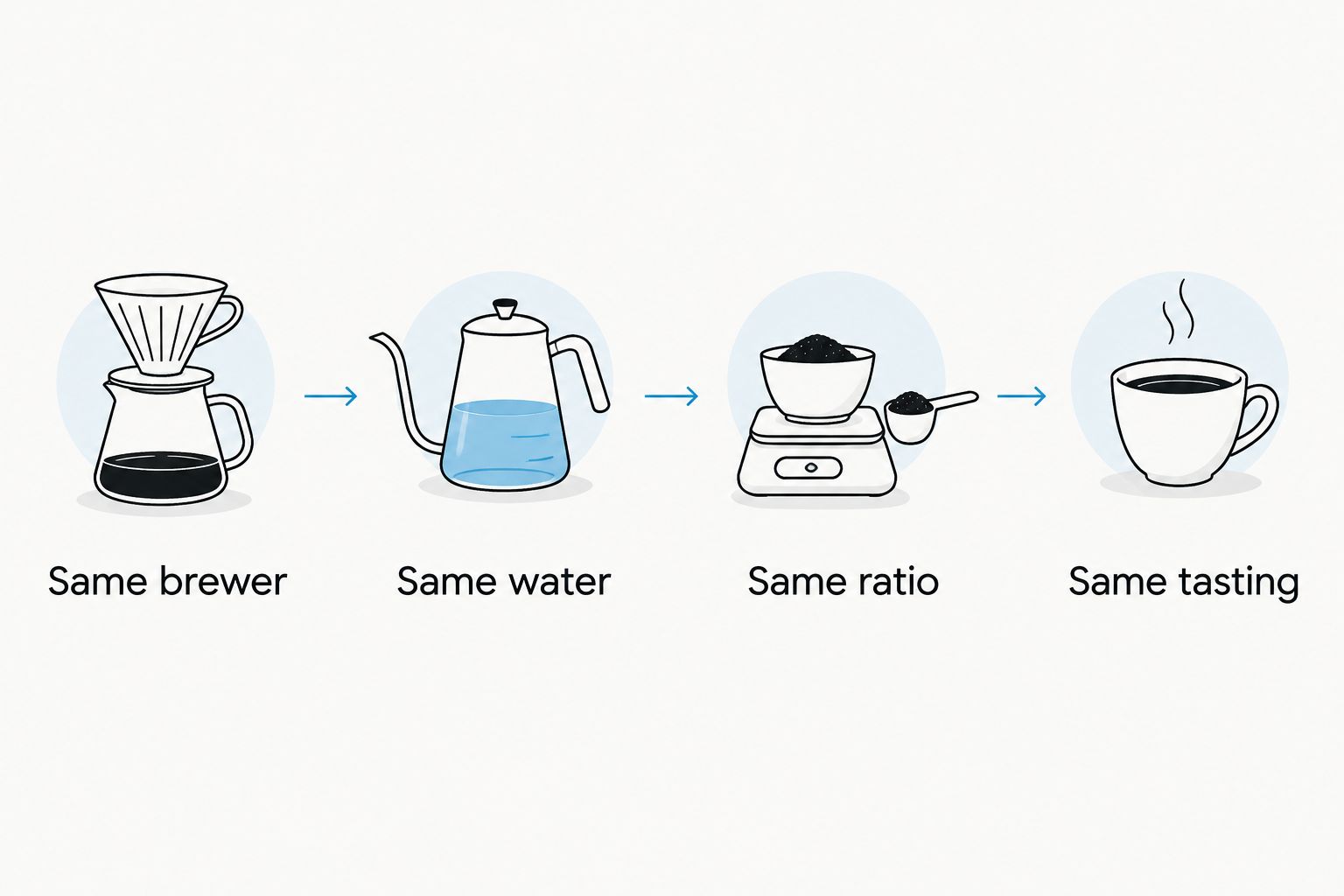
A shared recipe is only the beginning. If one coffee needs a grind adjustment, make that adjustment before rejecting it. Otherwise, you risk ranking your first attempt rather than the coffee's fit for your routine.
For espresso, use your machine's normal dial-in process instead of transferring a filter recipe. The relevant question is which coffee produces the drink you want with manageable adjustments.
Tea shoppers have a clear reason to consider the broader store
The supplied range includes Traditional Matcha Tea, Hojicha Roasted Green Tea Powder, Moroccan Mint Green Tea, and Earl Grey Loose Leaf Tea. These are distinct choices, not interchangeable versions of the same drink.
Traditional Matcha Tea is described as a powder crafted for whisking. Hojicha Roasted Green Tea Powder is described as roasted green tea leaves and stems milled into powder. Moroccan Mint Green Tea combines green tea and mint, while Earl Grey Loose Leaf Tea centers on bergamot's citrus character.
For a mixed coffee-and-tea household, those options give you another reason to consider the store. Best for: shoppers whose order includes both coffee and tea.
The limitation remains important: tea breadth does not prove better coffee. If you only need beans for tomorrow's brew, keep your attention on the bag, not the wider catalog. Buy tea because you want tea, not to justify a coffee decision.
The standout benefit is shopping breadth, not proven cup quality
The clearest documented distinction is the combination of coffee, tea, and merchandise. That serves a practical shopping need. It is separate from a claim about extraction, aroma, or flavor.
For a satisfied Bavo customer, the strongest counterweight is personal familiarity. Knowing how a particular coffee behaves in your kitchen is useful evidence for your next purchase.
Treat both advantages honestly:
- A broad store helps you shop across categories, but still requires product-level selection.
- A familiar coffee helps you repeat a result, but does not tell you how an unfamiliar alternative will compare.
In 2026, make the choice around the task you want to complete. A household restock and a repeat order of a favorite coffee are different tasks, even when both end with a brewed cup.
Pricing and purchase terms need an item-level comparison
Check the current purchase terms for the exact items you intend to order. Do not assume either brand uses a subscription, requires recurring orders, or offers the same ordering arrangement across its range.
Compare like with like: the coffee format, package quantity, grind selection, and final order contents. A mixed basket containing tea or merchandise is not a fair comparison with a coffee-only order.
If a recurring option is offered, examine how changes and cancellation work. If you prefer ordering only when needed, confirm that the selected purchase does not create a recurring commitment. The better model is the one that matches your actual consumption and control preferences.
For your 2026 decision, keep accessories outside the initial coffee comparison. Decide whether you want the beans first; assess any additional items separately.
Final verdict: choose by your buying goal
Choose Brew4UFresh if you are the mixed-category home shopper
You want to explore roasted blends, flavored coffee, or single-origin coffee, and tea or merchandise also belongs on your shopping list. Winner for this profile: Brew4UFresh. Its stated offering matches that brief.
The boundary is cup quality. Choose the individual coffee carefully rather than treating the store's breadth as proof that every bag suits you.
Choose Bavo Coffee if you are the satisfied returning buyer
You have already brewed a particular Bavo coffee, enjoyed the result, and want to repeat it. Winner for this profile: Bavo Coffee. Your own successful experience is the relevant deciding evidence.
If you have never tried either option, compare specific coffees rather than choosing a brand-level winner. Match the style to your preferences, then use a controlled brewing comparison.
| Dimension | Winner |
|---|---|
| Mixed-category shopping | The store with the stated coffee, tea, and merchandise range |
| Repeating a favorite Bavo coffee | Bavo Coffee, for a satisfied returning buyer |
| Freshness | No overall winner established |
| Brewing fit | Neither automatically; match the coffee to your equipment |
| Tea shopping | The documented tea range fits the mixed-household brief |
| Standout benefit | Shopping breadth versus personal familiarity |
| Pricing model | Decide from the selected item's current terms |
FAQ
Is Brew4UFresh better than Bavo Coffee?
Brew4UFresh is the better fit when your shopping brief includes its stated coffee, tea, and merchandise categories. Bavo Coffee is the better personal choice when you already enjoy a particular Bavo coffee and want to repeat that result.
Which should I choose if I have never tried either coffee?
Choose the specific coffee whose roast description, format, and flavor information best match your preferences. A brand name alone does not establish which coffee you will enjoy in your brewer.
Which brand has fresher coffee?
There is no established overall freshness winner in this comparison. Evaluate the individual bag's roast information, packaging guidance, and your own storage rather than assuming a brand-level advantage.
How do I compare two coffees fairly at home?
Use the same brewer, water, coffee-to-water ratio, and tasting conditions. Then adjust the grind for each coffee before making your final judgment, so an unsuitable first recipe does not decide the result.
Does darker coffee always contain more caffeine?
Darker roast does not automatically mean more caffeine in your cup. Coffee variety, the amount used, and brewing method also matter, so roast color alone is not a reliable caffeine guide.
Should I choose flavored coffee or single-origin coffee?
Choose flavored coffee when you deliberately want added flavor; choose single-origin coffee when the coffee's origin is central to your interest. Natural tasting notes describe flavor impressions and do not, by themselves, mean ingredients were added.
One last thing
Try the coffee black before adding your usual milk or sweetener, then taste it again as you normally drink it. These answer different questions: what the coffee contributes on its own, and whether it works in your daily cup.
Buy for the drink you actually make. A coffee that impresses during a black-coffee comparison is not automatically your favorite with milk, and the reverse is equally useful to discover.