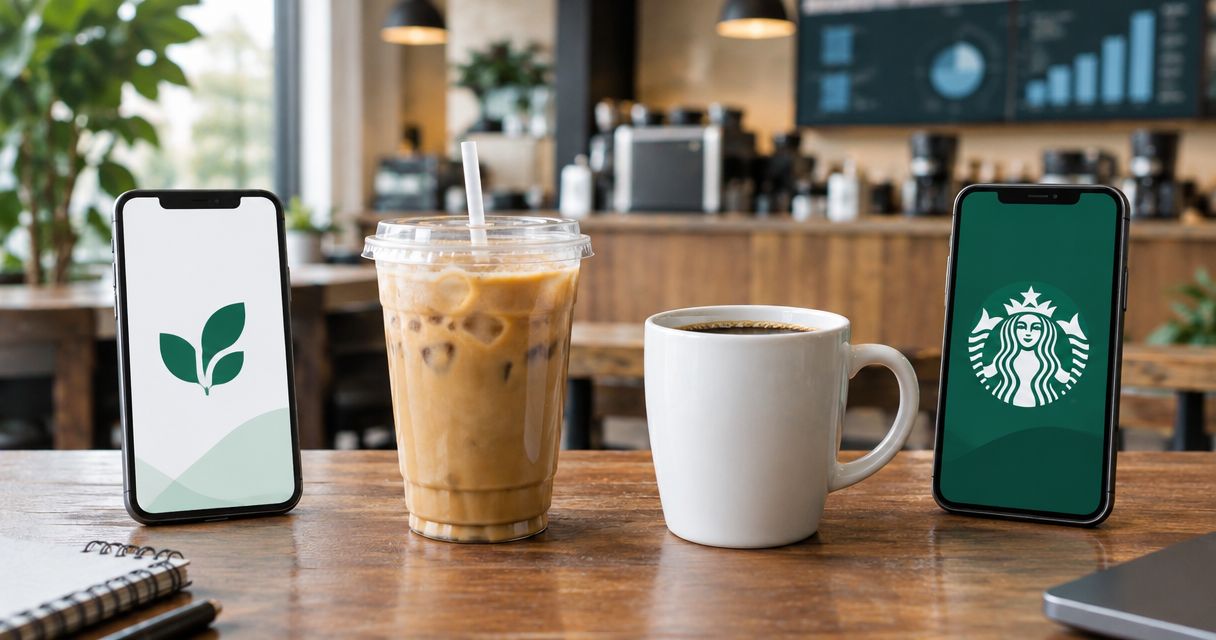
Choose Brew4UFresh if you want freshly roasted coffee delivered for home brewing; choose Starbucks if you want a prepared café drink without making it yourself. This 2026 comparison separates those buying needs, then compares coffee choice, freshness, brewing control, tea, and the work behind each cup.
- Brew4UFresh vs Starbucks is primarily a choice between delivered coffee for home brewing and prepared café drinks.
- Starbucks wins for a café drink that someone else prepares; buying beans still means brewing them yourself.
- Both support home brewing; compare the actual coffee, roast information, and preparation method rather than brand reputation.
- Freshness needs roast-date and storage evidence, not a winner declared from a brand name.
Why this matters
A bag of coffee and a café latte solve different problems. One supplies the ingredient for your routine; the other supplies the finished drink, including preparation and cleanup you do not handle yourself.
That distinction matters more than a broad claim that one company makes better coffee. Your equipment, preferred drink, and willingness to brew determine which buying route fits. A home brewer looking for single-origin beans needs different information from a commuter ordering an iced latte.
For a useful 2026 comparison, decide what you are replacing first. Is it your current bag of beans, your daily café visit, or your tea routine? Keep that answer fixed as you read the table.
At a glance
| Dimension | Brew4UFresh | Starbucks |
|---|---|---|
| Best for | Home coffee drinkers seeking freshly roasted beans delivered | People buying prepared café drinks |
| Prepared drinks | Supplies coffee and tea for you to prepare | Café preparation is the clearer fit |
| Home brewing | You control the recipe and brewing method | Packaged coffee also lets you control the recipe |
| Coffee choice | Artisan roasted blends, flavored coffee, and single-origin coffee | Compare the specific packaged coffee or café drink you intend to buy |
| Freshness | Judge the coffee by roast information and storage | Apply the same checks to packaged beans |
| Tea routine | Tea products for home preparation | Prepared café tea drinks or a home product, depending on your choice |
| Standout feature | Coffee, tea, and branded merchandise through an online store | Prepared drinks through a café service |
| Pricing model | Product purchase for home use | Prepared-drink purchase or packaged-coffee purchase |
The strongest difference is who prepares the cup, not which logo appears on the bag. Neither a café drink nor delivered beans automatically wins on flavor. Compare like with like before declaring a preference.
Brew4UFresh fits a home-first coffee routine
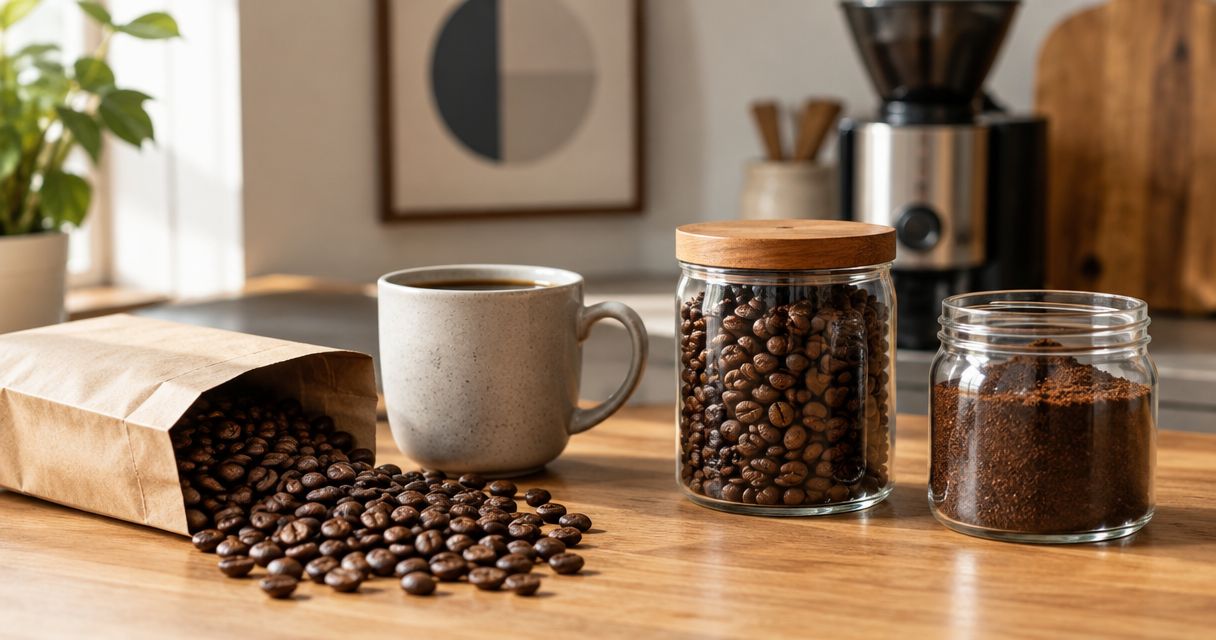
Brew4UFresh is best for home coffee drinkers who want freshly roasted beans delivered. Its stated offering includes artisan roasted blends, flavored coffee, single-origin coffee, tea, and branded merchandise. That makes home preparation the center of this comparison.
Choose this route when you enjoy making coffee and want to select the ingredient yourself. You can choose a coffee style, match it to your brewer, and adjust preparation around your taste rather than order a finished drink.
The tradeoff is responsibility. You supply the equipment, water, recipe, and cleanup. Delivery also belongs in your planning; it is not the same buying experience as walking into a café and leaving with a drink.
Starbucks is the stronger fit when the finished beverage is your goal. It also sells packaged coffee, so home brewing is not exclusive to the online retailer. The distinction is the buying route you want to use, not whether either brand can supply coffee.
Starbucks wins when you want someone else to make the drink
A prepared café drink removes the brewing task from your morning. Starbucks is the better choice between these two options when you want to order a drink rather than measure beans, brew coffee, and wash equipment.
That advantage is especially relevant for espresso-based drinks if you do not own an espresso setup. Buying beans does not supply the equipment or technique needed to make a latte. A café sells the completed preparation instead.
The limitation is control. You select from the café's drink choices and request modifications, but you do not personally manage every brewing variable. At home, you decide how to prepare the coffee and can change the recipe from one cup to the next.
For your 2026 routine, make this a practical decision: choose Starbucks for prepared-drink convenience; choose home brewing when making the drink is part of what you enjoy. Do not buy a bag of beans expecting it to remove the preparation step.
Both give home brewers control over the recipe
Both retailers can supply coffee for home use. Once you buy beans, your brewing method gives you control over dose, water, grind, and preparation. Neither brand owns that advantage.
Use a repeatable starting recipe rather than changing everything at once. For a filter-coffee comparison, a starting ratio of 1:16 means 20 g of coffee with 320 g of water. This is a comparison recipe, not a required setting for either brand or every brewer.
Keep the following elements consistent:
- Coffee dose: weigh the coffee rather than relying on scoop size.
- Water amount: use the same amount for each batch.
- Brewer: compare both coffees in the same brewing method.
- Serving style: taste both black first if your goal is to judge the coffee itself.
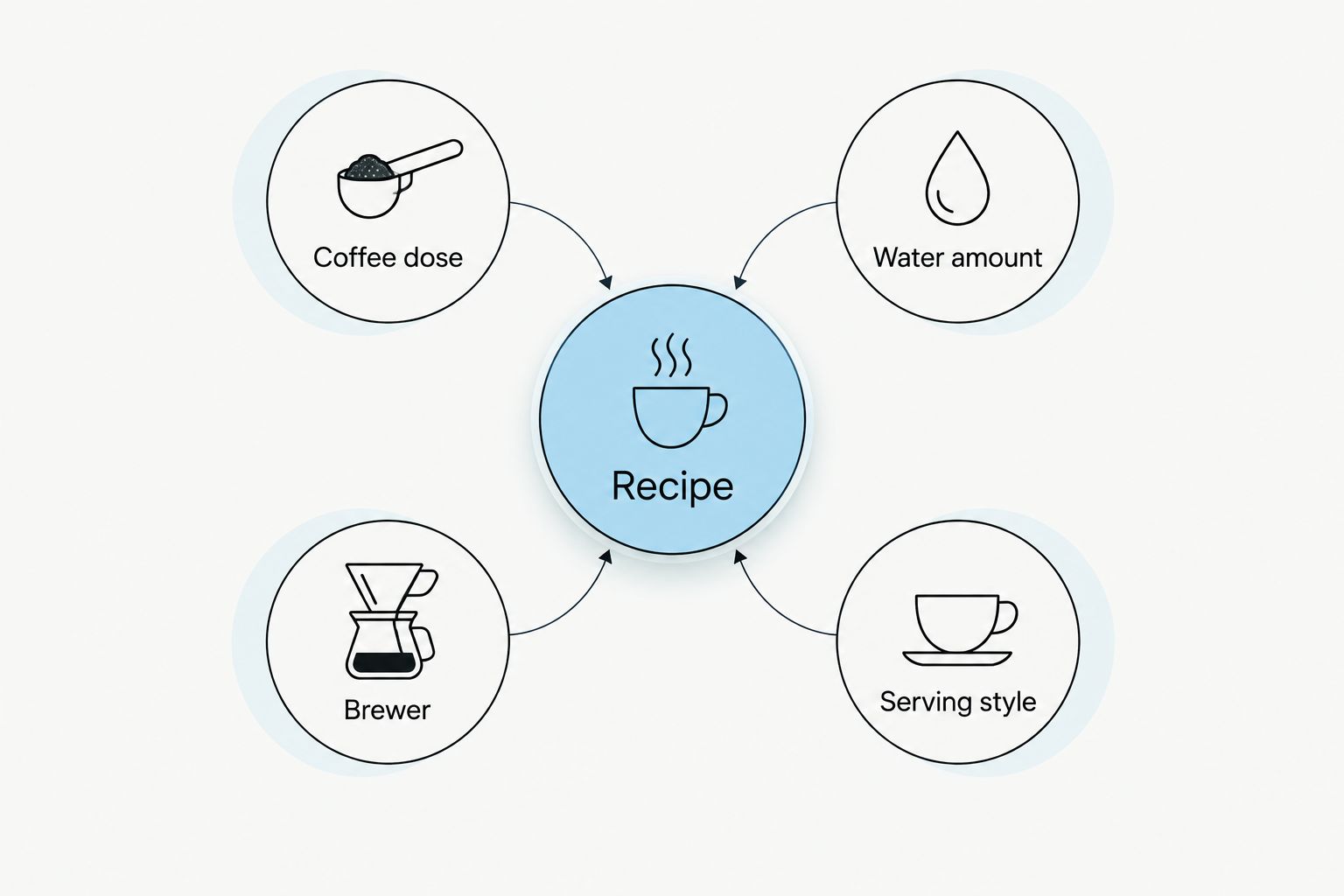
Change the grind to suit the brewer and extraction, rather than insisting that different coffees need identical grind settings. Record the adjustment. Your goal is a fair cup from each coffee, not a test that rewards whichever happens to suit an arbitrary setting.
Both need a coffee-by-coffee comparison for flavor
The online store's offering spans blends, flavored coffee, and single-origin coffee. Those categories give you different starting points, but they do not establish that every coffee tastes better than every Starbucks option.
A blend combines coffees; a single-origin label identifies coffee from a stated origin. Neither label guarantees your preferred flavor. Roast, processing, preparation, and your own taste still matter.
Choose your comparison around the drink you actually make:
- Black filter coffee: compare coffees with roast descriptions that match your preferences.
- Coffee with milk: taste both with the same milk and preparation.
- Flavored coffee: compare flavored products rather than treating added flavor as a roast characteristic.
- Origin exploration: look for origin and processing information on the specific coffee.
Starbucks is not just a café-drink comparison if you are buying its packaged coffee. Read that coffee's description and compare it with the other bag you are considering. The verdict belongs to the specific coffees, not the entire brands.
A stronger roast taste also does not automatically mean more caffeine. Treat roast preference and caffeine intake as separate questions rather than using dark color as a measurement.
Neither wins freshness without checking the coffee
Freshly roasted coffee is part of the online store's stated offering. That matters to its positioning, but a freshness comparison still needs information about the coffee you will receive and how you will store it.
Check for roast information rather than treating a best-before date as the same thing. A roast date describes when roasting happened; a best-before date serves a different purpose. Packaging and storage then influence how well aroma is retained.
For Starbucks packaged beans, apply the same standard. Do not assume that a recognizable retailer guarantees freshness, and do not assume that online ordering guarantees the freshest possible bag.
Use the fresh-roasted coffee buying guide to focus your next purchase on the coffee rather than the brand comparison alone. Check the product information, then store opened coffee away from heat, moisture, and light.
In 2026, freshness is a buying check, not a brand-level trophy. Order around your actual consumption and avoid building a cupboard of opened bags that you cannot use promptly.
Brew4UFresh fits home tea; Starbucks fits prepared tea drinks
The tea comparison follows the same ingredient-versus-finished-drink distinction. The online store sells tea for home preparation, including Traditional Matcha Tea and Earl Grey Loose Leaf Tea in the supplied product catalog.
Those products suit different routines. Traditional Matcha Tea is a powder intended for whisking; Earl Grey Loose Leaf Tea is loose-leaf tea with bergamot's citrus character. Choose around preparation and flavor rather than treating all tea products as interchangeable.
Starbucks is the better route when your goal is a prepared café tea drink. You hand off the preparation instead of setting up a whisk, infuser, or other home equipment.
The tradeoffs remain clear:
- Home tea: you manage preparation and choose how to serve it, but you also handle equipment and cleanup.
- Café tea: someone else prepares the drink, but your choice follows the café menu and requested modifications.
Compare plain tea with plain tea, or similarly prepared drinks with each other. A sweetened tea latte and unsweetened loose-leaf tea answer different taste preferences; neither proves that one retailer's tea is universally better.
Home ingredients and café service are different standout features
The online retailer combines coffee, tea, and branded merchandise in one store. That is useful when your interest extends beyond a single prepared beverage, but merchandise does not demonstrate coffee quality.
Starbucks stands out here for the café service attached to the drink. The purchase includes preparation, not simply the raw ingredient. That is its meaningful advantage for someone who wants a finished cup.
Keep extras out of the first decision. A mug, hat, or apparel item can be a separate purchase, but it should not decide which coffee suits your brewer or palate.
Choose the coffee route first, then consider accessories. This keeps a useful home-brewing comparison from turning into a contest between unrelated merchandise or café features.
Pricing: compare product purchases with prepared-drink purchases
Brew4UFresh uses an online product-purchase model for coffee, tea, and merchandise. Starbucks offers a prepared-drink purchase through its café business and a product purchase when you buy packaged coffee. These are different units of value.
For home coffee, compare the amount of coffee purchased, your dose per brew, and any checkout charges. Your existing equipment also matters: a brewer you already use is a different decision from buying equipment specifically to replace café drinks.
For a café drink, the purchase includes preparation. Compare the actual beverage you order, including its size and modifications, rather than measuring a finished latte against the ingredient cost of plain filter coffee.
Use this 2026 value checklist:
- Home filter drinker: compare equivalent coffee quantities and your normal brewing dose.
- Home latte drinker: include milk, equipment, and the preparation you will do yourself.
- Café customer: decide whether handing off preparation is the benefit you want.
- Mixed routine: keep home coffee and occasional café drinks as separate decisions.
Neither pricing model is automatically the better value. Match the purchase to the service you actually need. An unused bag of coffee is not a useful substitute for a café habit you never intended to change.
Final verdict for 2026
Choose Brew4UFresh if you are a home coffee drinker
Your named winner is the online retailer when you want freshly roasted coffee delivered and plan to brew it yourself. Its blends, flavored coffee, single-origin coffee, and tea align with that home-first buying need.
The limitation is straightforward: you still make the drink. Choose this route because you want control over your coffee routine, not because it promises the convenience of a prepared café beverage.
Choose Starbucks if you are a prepared-drink buyer
Your named winner is Starbucks when you want a café drink and do not want to handle the preparation. It is also a valid packaged-coffee option if a specific coffee suits your taste.
The limitation is that café convenience does not settle a bean comparison. If you are choosing coffee for home, compare the actual bags using the same freshness checks and brewing criteria.
| Dimension | Winner |
|---|---|
| Best for | Delivered beans for home drinkers; Starbucks for café customers |
| Prepared drinks | Starbucks |
| Home brewing | Tie: your recipe determines control |
| Coffee choice | No brand-wide winner; compare specific coffees |
| Freshness | No brand-wide winner; check roast information and storage |
| Tea routine | Home tea products for home preparation; Starbucks for café preparation |
| Standout feature | Online ingredient shopping versus café service |
| Pricing model | Match product buying or prepared-drink buying to your routine |
FAQ
Is Brew4UFresh better than Starbucks for home coffee?
Brew4UFresh fits home drinkers seeking freshly roasted coffee delivered, but that does not establish a universal taste win over Starbucks. Compare the specific coffees using the same brewer, serving style, and freshness checks.
Which should I choose if I want a latte without making it?
Choose Starbucks if you want a prepared café latte. Buying coffee for home means supplying the brewing equipment, milk preparation, and cleanup yourself.
Can I brew Starbucks coffee at home?
Yes, Starbucks sells packaged coffee for home brewing. Your brewer and recipe give you control over preparation, just as they do with beans from another retailer.
Does freshly roasted coffee always taste better?
Freshness alone does not guarantee that you will prefer a coffee. Roast style, the specific coffee, storage, and preparation also affect the result.
What is a fair recipe for comparing two filter coffees?
A 1:16 starting recipe uses 20 g of coffee with 320 g of water. Keep the brewer and serving style consistent, then adjust grind to prepare each coffee appropriately.
Is home coffee better value than a café drink?
Compare the purchases by what they provide: home coffee supplies an ingredient, while a café drink includes preparation. Include your equipment needs, coffee use, and normal drink choice before deciding.
Should I choose single-origin coffee or a blend?
Choose by the flavor description and the drink you intend to make, not the label alone. Single-origin coffee identifies a stated origin; a blend combines coffees, and either can suit your preferences.
One last thing
Test your normal drink, not an impressive drink you rarely make. If you always add milk, the most useful comparison ends with both coffees served that way. A coffee that wins your black-coffee tasting but disappoints in your daily cup is the wrong winner for your routine.