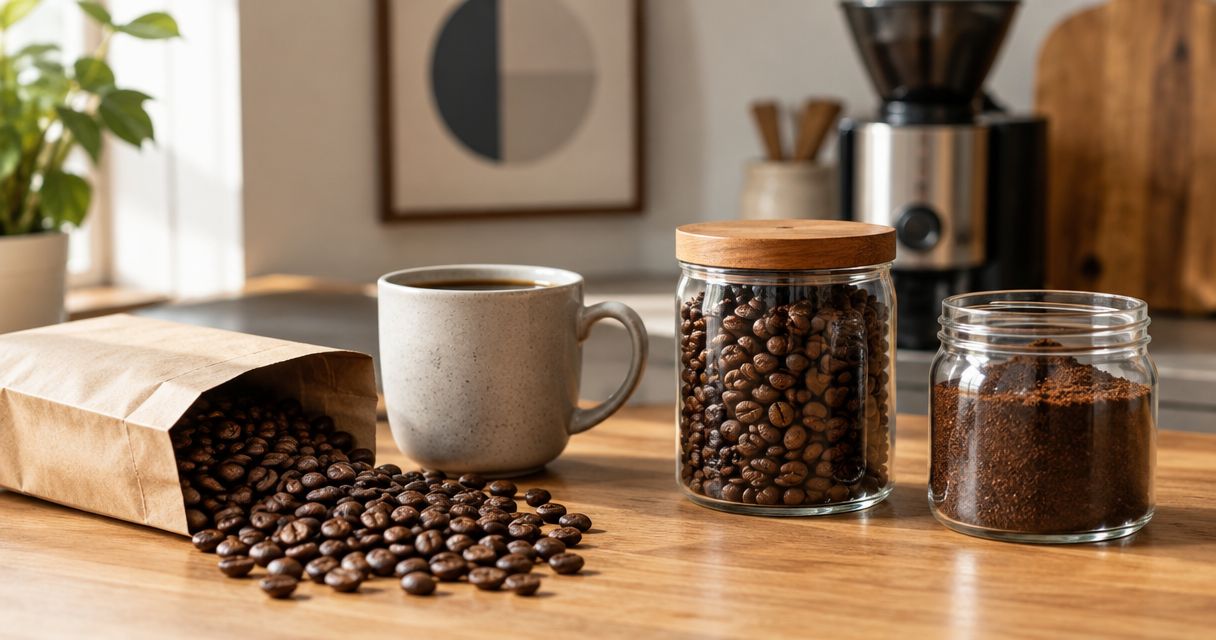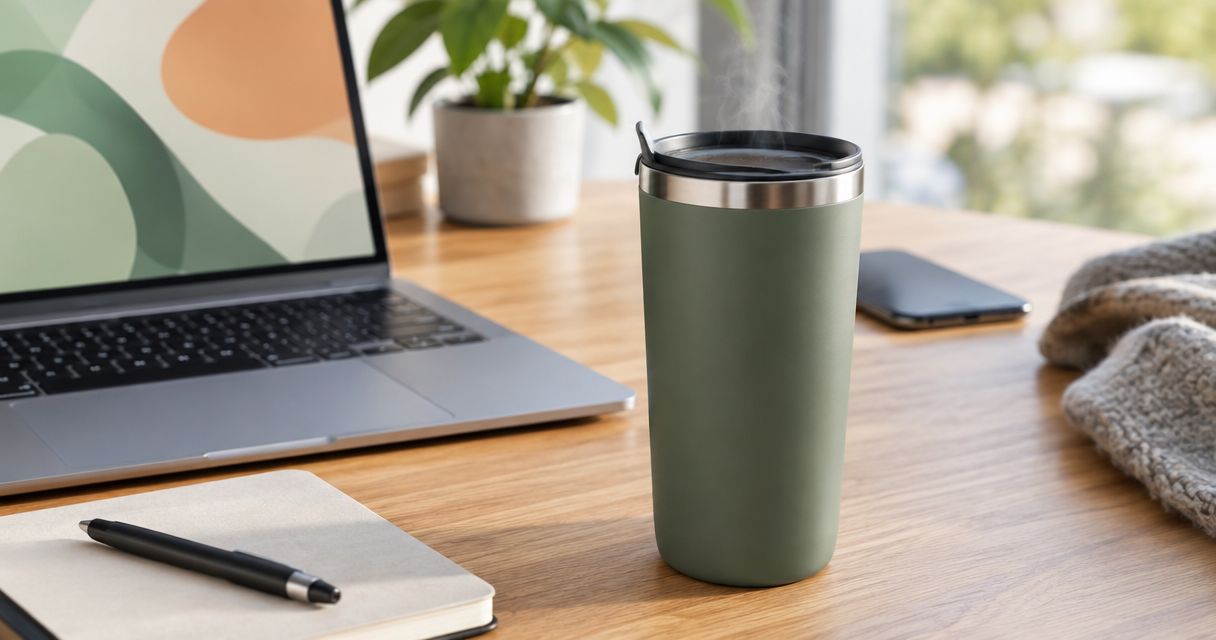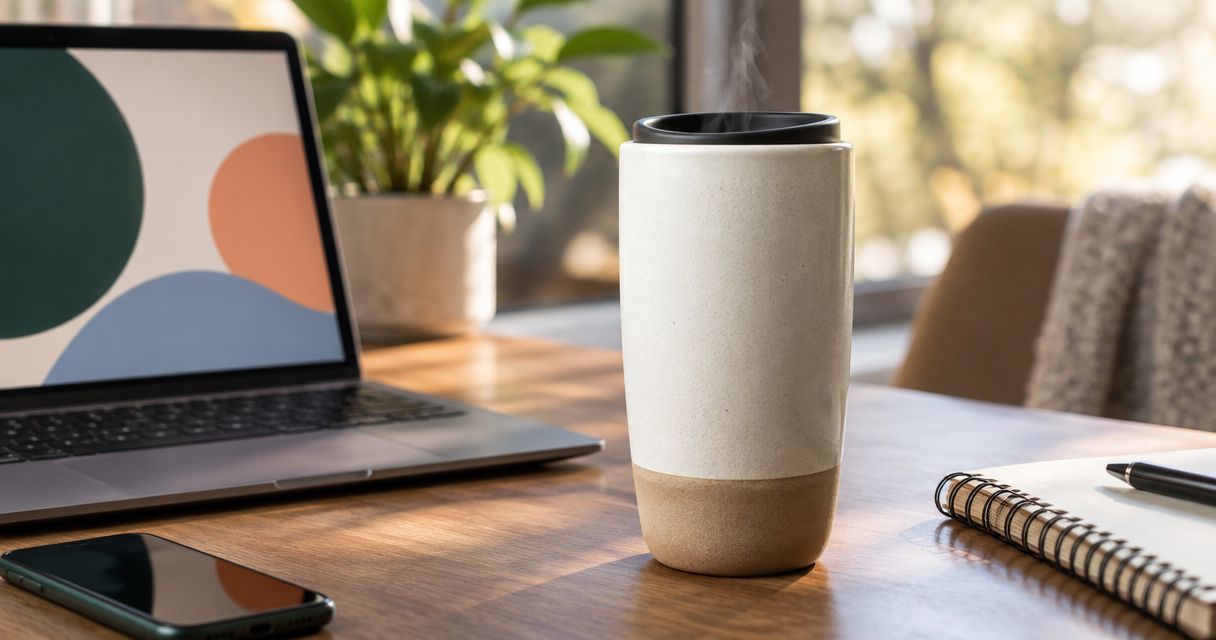
Night shift workers’ coffee planning is the deliberate timing and portioning of coffee with the aim of supporting alertness while protecting recovery sleep. The best coffee for night shift workers fits a repeatable brewing routine and a planned caffeine cutoff; nurses also need to account for interrupted breaks and workplace drink restrictions.
- Coffee for night shift workers works best early in the shift, with a cutoff based on planned sleep.
- Brew4ufresh coffee suits home brewing; freshness and roast preference do not establish caffeine content.
- Nurses should plan portions before work rather than rely on unpredictable breaks and repeated refills.
- Decaf coffee preserves the coffee ritual but is not completely caffeine-free.
Why coffee planning matters for nurses and night shift workers
Night work puts your working hours in conflict with your usual sleep schedule. Coffee can temporarily support alertness, but it does not replace sleep or make severe fatigue safe.
For nurses, access matters as much as taste. A coffee routine that requires a long brewing break is a poor fit when breaks get interrupted. Keep drinks in designated areas and follow your employer’s infection-control rules.
Choose coffee for flavor and preparation; manage caffeine through timing and portions. Start with the fresh-roasted coffee buying guide if you need help comparing beans, then apply the shift-specific steps below.
This 2026 guide separates two decisions: what you enjoy drinking and when drinking it fits your sleep plan. A darker roast, larger mug, or stronger-tasting brew does not solve the second decision.
Build a coffee routine around your shift
Set your sleep time before your caffeine cutoff
Start with the time you intend to sleep, not the time your shift ends. Your commute, meal, shower, and household responsibilities all sit between those points.
The National Institute for Occupational Safety and Health’s training for nurses describes caffeine’s half-life as about 5–6 hours, with substantial individual variation. Half-life means the time needed for your body to eliminate half the caffeine—not the point when all effects disappear. Use that guidance in your 2026 plan without treating a fixed cutoff as a guarantee of undisturbed sleep.
For an illustrative schedule, suppose you work from 7 p.m. to 7 a.m. and plan to sleep at 9 a.m. A 3 a.m. cutoff leaves 6 hours before bed. That is a planning example, not a personalized recommendation; move your cutoff earlier if sleep remains difficult.
- Sleep time: Write down your intended bedtime after each shift.
- Caffeine cutoff: Count backward from bedtime, not clock-out.
- Early coffee: Place your planned coffee earlier in the shift.
- Recovery sleep: Record whether you fall asleep and stay asleep comfortably.
Measure your serving instead of counting mugs
Use the cup and coffee you already have before buying anything new. Measure how much your usual mug holds, and note the beans, grounds, water, and brewing method you use.
The FDA states that 400 milligrams of caffeine per day is an amount not generally associated with negative effects for most adults. That is not a target, a recommended shift allowance, or a safety guarantee for every person. Sensitivity, medications, pregnancy, and health conditions require individual advice.
An 8-fluid-ounce serving and a 16-fluid-ounce serving are different quantities even when both are called one coffee. You cannot assign either a reliable caffeine dose from volume alone without information about the beverage. For overnight work, record actual drinking times rather than letting midnight reset your mental tally.
- Measure your usual serving in fluid ounces.
- Use published caffeine information when the supplier provides it.
- Include tea, energy drinks, supplements, and other caffeine sources.
- Record refills instead of treating them as part of the original cup.
- Ask a clinician or pharmacist about personal limits and medication interactions.
Choose beans for taste and a repeatable brew
First, make your existing coffee with the same measured recipe over several shifts. Repeatability makes it easier to distinguish a flavor problem from a serving-size or timing problem.
Choose roast by taste, not by an assumed caffeine ranking. Darker flavor does not reliably mean more caffeine per cup; bean type, recipe, serving size, and preparation also matter. Single-origin coffee describes origin, not a guaranteed stimulant strength.
Brew4ufresh is best for home coffee drinkers seeking freshly roasted coffee delivered to their door. Its coffee offers a home-brewing option, but freshness does not establish caffeine content or make a late-shift serving sleep-friendly. Shop by flavor preference, then keep the brewing recipe consistent.
- Choose a flavor profile you enjoy without needing extra-strength brewing.
- Measure grounds and water using the same method each time.
- Match the grind to your brewer’s instructions.
- Store beans in a closed container away from heat and light.
- Change one brewing variable at a time when adjusting taste.
Prepare coffee around your actual break access
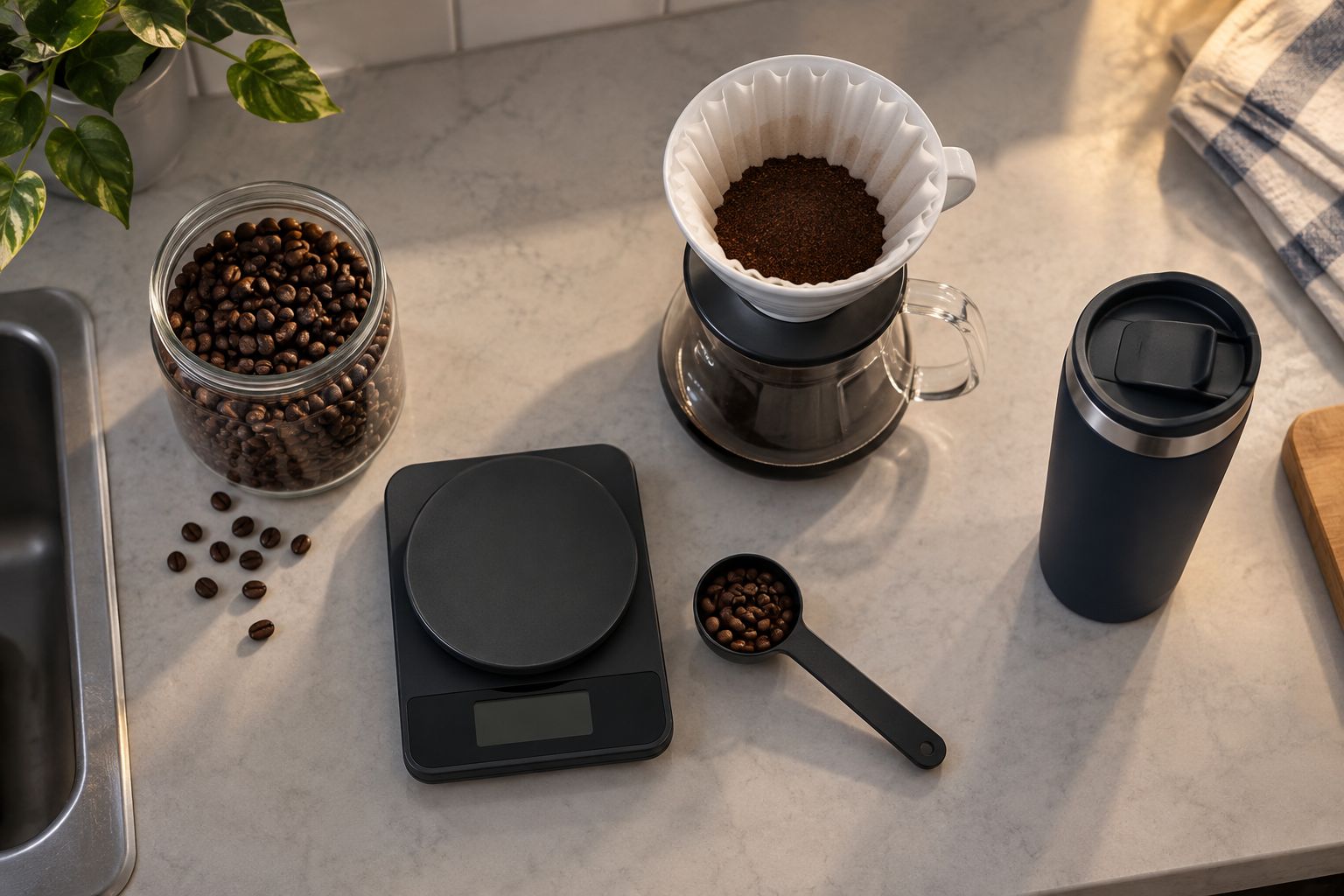
Make coffee at home if your workplace setup is unpredictable. A prepared serving removes the need to find beans, filters, and an available brewer during a short break. It does not guarantee you will get that break, so follow your workplace’s rules for storing and consuming drinks.
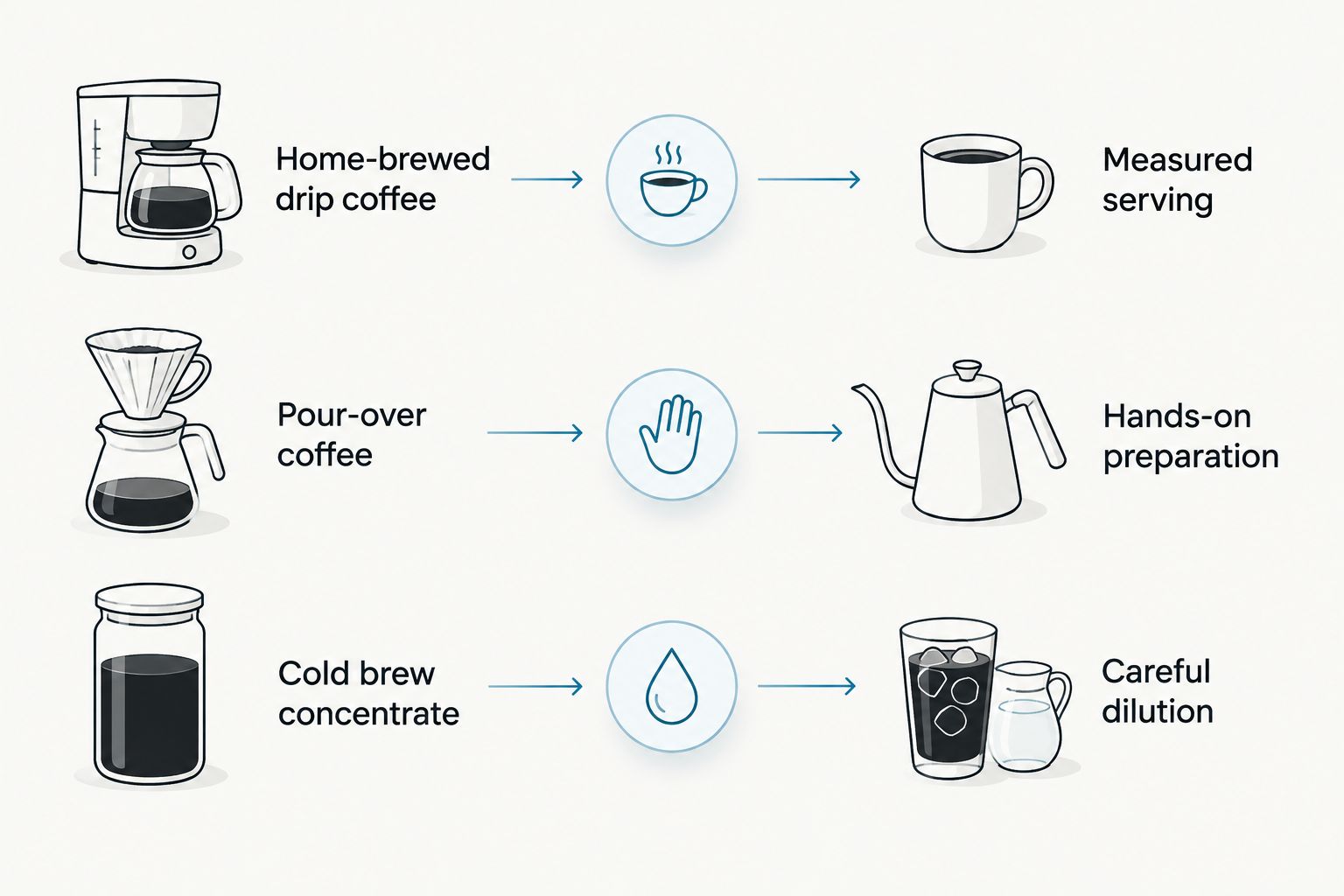
Compare brewing methods by the tasks they require. Drip coffee suits batch preparation; pour-over requires active brewing; cold brew requires advance planning. None is automatically the best caffeine choice.
Use the same practical test throughout 2026: can you prepare, carry, and drink the intended portion without repeated top-ups? A large vessel is useful for transport, but its capacity should not decide your caffeine intake.
- Brew before leaving when on-site equipment is unreliable.
- Measure the serving before transferring it into a travel container.
- Check that your container suits your workplace’s drink rules.
- Follow safe storage instructions for milk and other perishable additions.
- Bring water separately rather than using coffee for every drink break.
Replace late-shift refills with a planned alternative
Decide what you will drink after your cutoff before the shift starts. Water is the simplest caffeine-free choice. Decaf coffee is an option when you want coffee flavor, but decaf still contains some caffeine.
Do not assume tea is caffeine-free. Black tea, green tea, and matcha contain caffeine; herbal infusions require an ingredient check. Switching from coffee to a caffeinated tea does not end caffeine intake.
Brew4ufresh sells tea as well as coffee, but a different drink category is not proof of a lower caffeine dose. Choose an alternative based on its actual ingredients and available caffeine information, not a calming-sounding name or lighter taste.
- Keep water available for breaks after your cutoff.
- Choose decaf for coffee flavor, not a zero-caffeine promise.
- Check whether tea contains tea leaves, matcha, or other caffeine sources.
- Avoid replacing coffee with an uncounted energy drink.
- Move the cutoff earlier if your sleep record shows continuing difficulty.
Review sleep and safety before adding more coffee
Keep a simple paper or phone log. Record coffee timing, serving size, intended bedtime, sleep difficulties, and how alert you feel during the commute. You do not need a wearable or subscription to identify repeated late refills.
Compare similar shifts rather than drawing conclusions from one difficult night. A rotating schedule, overtime, and changes in sleep opportunity make comparisons harder. Persistent excessive sleepiness deserves a clinical assessment, not an increasingly concentrated brew.
Do not use coffee as permission to drive while dangerously sleepy. If you are struggling to stay awake, stop in a safe place and arrange a safer option. For nurses, use the workplace fatigue-reporting process when alertness affects safe practice.
- Record drinking times and portions after each shift.
- Note sleep opportunity as well as perceived sleep quality.
- Change timing before increasing serving size.
- Discuss persistent sleepiness or caffeine-related symptoms with a clinician.
- Make a commute backup plan before you need it.
Compare coffee options for night shifts
The best option is the one you can prepare consistently and fit around sleep. This 2026 comparison separates convenience and flavor from caffeine claims; none of these brewing styles guarantees a particular dose.
| Option | Best for | Main advantage | Key limitation |
|---|---|---|---|
| Home-brewed drip coffee | Preparing a measured serving before work | Straightforward batch preparation | An unmeasured batch encourages untracked refills |
| Pour-over coffee | A deliberate cup before leaving home | Direct control over the brewing recipe | Requires hands-on preparation |
| Ready-to-drink cold brew | Workers who prefer a chilled drink | No brewing during the break | Caffeine varies; the label needs checking |
| Cold brew concentrate | Preparing portions in advance | Flexible dilution | Concentrate requires careful portioning and dilution |
| Decaf coffee | Coffee flavor after the caffeine cutoff | Keeps the coffee routine with less caffeine | Still contains caffeine |
| Water | A caffeine-free drink during late breaks | Adds no caffeine | Does not provide a stimulant effect |
Do not select cold brew because it tastes smoother and assume it contains less caffeine. Likewise, do not make a drip recipe stronger simply because a shift runs longer. The preparation method answers a convenience question; the serving and timing answer a different question.
Common mistakes nurses and night shift workers make
These mistakes turn a manageable coffee routine into an unpredictable one. Correct the routine before shopping for a stronger blend.
Treating the travel mug as one serving
A mug is a container, not a caffeine unit. Measure what goes into it and record any refill separately, especially when you switch between home coffee and workplace coffee.
Saving the strongest coffee for the final hours
Late-shift caffeine can overlap with recovery sleep. If the final hours repeatedly feel unsafe, review sleep opportunity and workplace fatigue support rather than making stronger coffee the default response.
Using roast color as a dosing guide
A dark roast can taste intense without establishing caffeine content. Compare flavor separately from caffeine information, and keep your recipe steady when changing beans.
Depending on an uninterrupted brewing break
Nursing breaks do not always arrive when planned. Prepare your intended serving before work when practical, while keeping consumption within designated areas and workplace policy.
Treating a better cup as a fatigue treatment
Fresh beans can improve the drinking experience, but no coffee supplier replaces a sleep assessment. Seek medical advice when sleepiness persists despite adequate sleep opportunity or when caffeine causes troublesome symptoms.
FAQ
What’s the best coffee for night shift workers?
The best coffee for night shift workers is one you enjoy, prepare consistently, and drink early enough to protect planned sleep. Roast darkness and strong flavor do not establish caffeine content.
When should nurses stop drinking coffee on a night shift?
Nurses should set a caffeine cutoff by counting backward from their intended sleep time, not from the end of the shift. Caffeine’s half-life is about 5–6 hours, and individual sensitivity means some people need an earlier cutoff.
How much caffeine can I have during a night shift?
There is no single caffeine allowance suitable for every night shift worker. The FDA’s 400-milligram daily reference applies to most adults, is not a target, and includes caffeine from all sources.
Is dark roast better than medium roast for staying awake?
Dark roast is not a reliable way to choose a higher-caffeine coffee. Select roast for flavor and use beverage-specific caffeine information when available.
Is cold brew better than hot coffee for overnight work?
Cold brew is better for convenience if you prefer a prepared chilled drink, not automatically for caffeine control. Check whether it is ready to drink or concentrated before choosing a portion.
Can I drink decaf coffee near the end of my shift?
Decaf can preserve coffee flavor while reducing caffeine intake, but it is not caffeine-free. Water is the clearer choice when you want to avoid additional caffeine entirely.
Can coffee make it safe to drive home when I’m exhausted?
Coffee does not make dangerously sleepy driving safe. Stop in a safe place and arrange a safer option if you are struggling to stay awake.
One last thing
Use 2026 to improve the schedule before upgrading the coffee. A carefully chosen bean cannot correct a serving that repeatedly pushes into your sleep window.
Before your next shift, mark the intended bedtime, caffeine cutoff, and measured serving on a simple note. Then choose Brew4ufresh coffee—or the beans you already own—for taste, not as a substitute for recovery sleep.