A ceramic travel mug is better for drinking comfort if you prefer a glazed ceramic surface, but vacuum-insulated stainless steel is the better choice for heat retention and resistance to drops. In 2026, choose by construction and lid design—not material alone—because ceramic does not guarantee better flavor, and stainless steel does not guarantee a leakproof seal.
- Is a ceramic travel mug better than stainless steel? For commuting, vacuum-insulated stainless steel is the stronger choice.
- Glazed ceramic suits careful desk use; stainless steel suits travel where breakage matters.
- Brew4ufresh offers ceramic coffee mugs and a stainless steel travel mug; check each listing for lid and care details.
- Compare insulation, lid seals, cleaning access, and drinking comfort before choosing either material.
Is a ceramic travel mug better than stainless steel?
Ceramic wins for people who prefer its drinking surface; vacuum-insulated stainless steel wins for carrying coffee. Neither material solves every problem. For a closer look at lidded ceramic options, use the ceramic travel mugs with lids guide.
| Mug construction | Best for | Main advantage | Main limitation |
|---|---|---|---|
| Glazed ceramic | Careful desk use and short carries | Familiar drinking surface and cup-like feel | Can chip or break; material alone does not establish insulation |
| Vacuum-insulated stainless steel | Commuting and keeping drinks hot | Vacuum insulation reduces heat transfer; steel resists shattering | Lid parts need cleaning; microwave use is unsuitable |
| Ceramic-lined stainless steel | Drinkers who want a ceramic contact surface inside a steel body | Combines a ceramic interior with a metal exterior | Lining needs care; insulation and sealing still depend on construction |
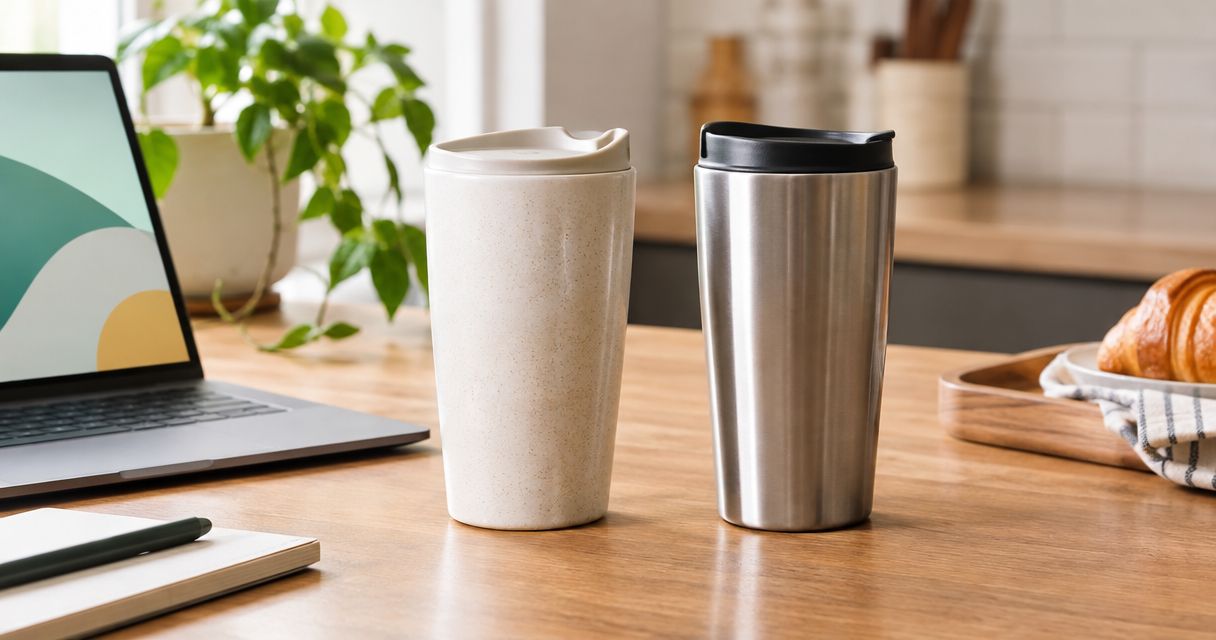
The useful comparison is not simply ceramic against steel. A ceramic mug with a loose sipping lid and a vacuum-insulated steel mug with a closing lid serve different routines. Compare the complete vessel, including the rim, base, handle, and closure.
Why this matters
Your mug affects how easily you carry coffee, how quickly it cools, and how much cleaning your routine requires. A comfortable cup at your desk can become an awkward choice when you carry a laptop bag and open doors.
For a 2026 purchase, separate the features you need from the features you merely like. If the mug travels inside a bag, verify the closure before judging the material. A lid that reduces splashes while walking is not automatically designed for sideways transport.
Ceramic: best for careful desk drinking
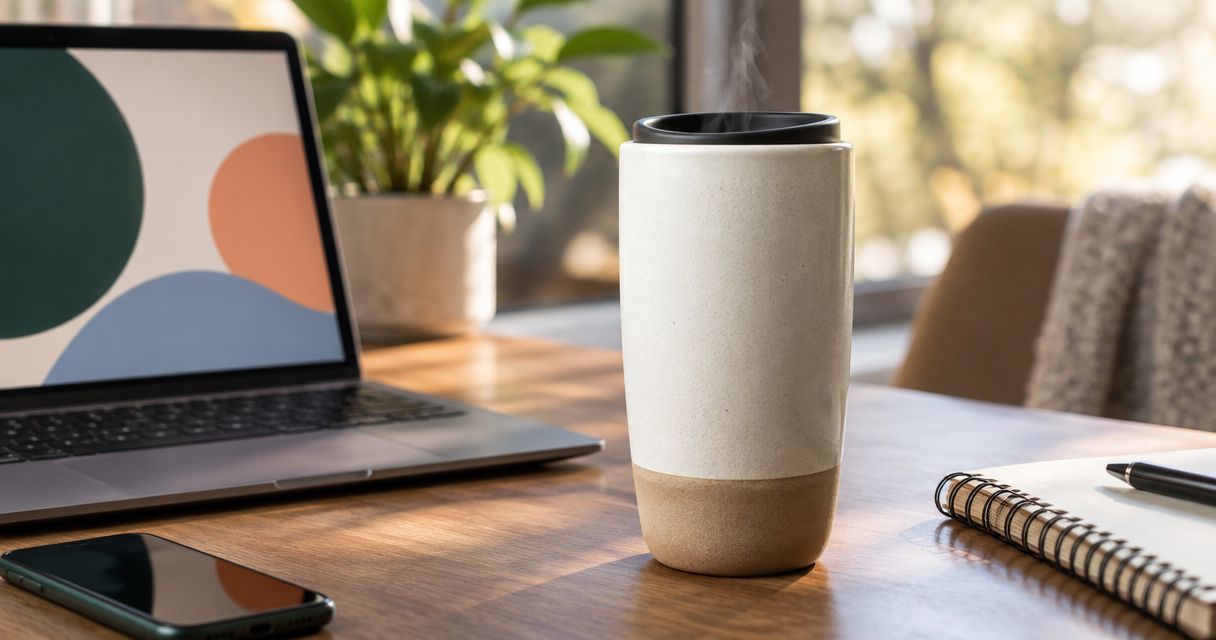
Glazed ceramic suits you if you enjoy a conventional coffee-cup feel and keep your drink within reach. The rim and handle matter as much as the material. A comfortable shape makes repeated sipping easier, while an awkward lid can undo that benefit.
Ceramic is brittle. A drop or impact against a hard surface can chip or fracture the mug, so it needs more careful handling than stainless steel. Inspect the rim and interior before use, and replace damaged drinkware rather than continuing to drink from a chipped edge.
Do not treat every ceramic mug as a travel mug. An open ceramic cup is useful at home, but adding a lid does not establish spill resistance, insulation, or suitability for carrying in a bag. Those features need their own product information.
Choose glazed ceramic for a stable desk or table when drinking comfort matters more than drop resistance. Skip it for rough handling if breakage would disrupt your day.
Stainless steel: best for commuting and drop resistance
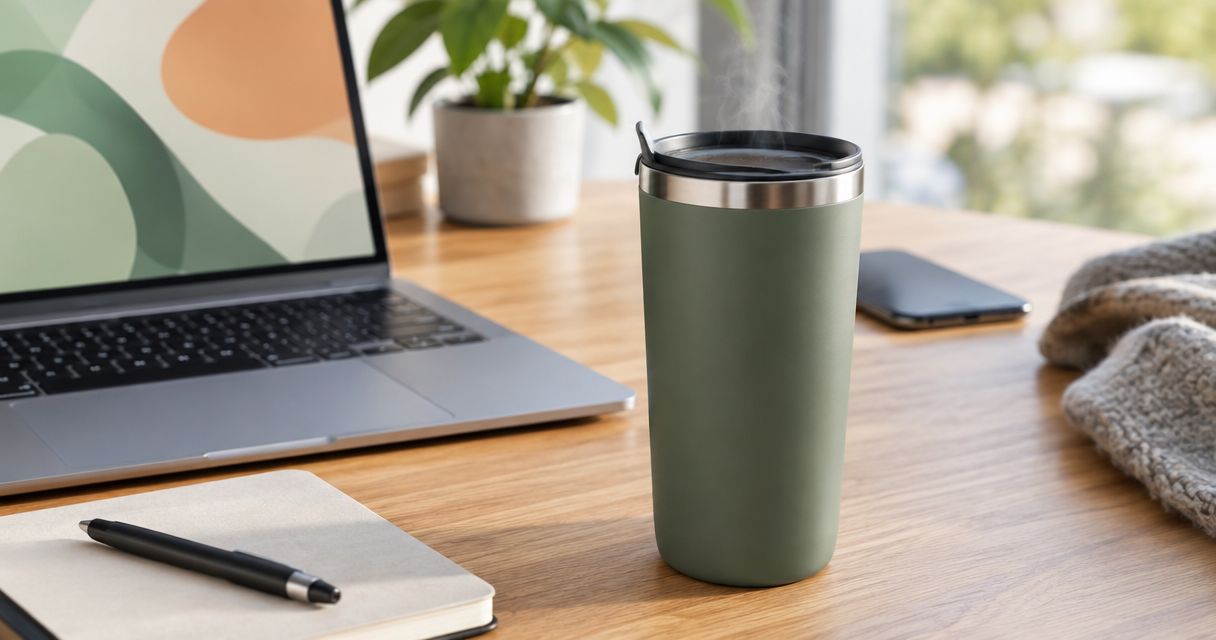
Stainless steel is the more practical material when your mug moves between home, a vehicle, and work. It resists shattering, although it can still dent or suffer damage. Handles, lids, and seals remain separate points to inspect.
For heat retention, look specifically for vacuum-insulated construction. Steel itself conducts heat; the insulating benefit comes from the vessel's design, not the word stainless. A basic single-wall steel cup and a vacuum-insulated travel mug are not equivalent.
The trade-off is care. A closing lid can contain channels, seals, and moving parts that need attention after use. Follow the mug's washing instructions, and do not assume the body and lid share the same dishwasher guidance.
Choose vacuum-insulated stainless steel for a commute when keeping coffee hot and avoiding breakage are your priorities. Do not put stainless steel drinkware in a microwave.
Ceramic-lined stainless steel: best for a ceramic contact surface
Ceramic-lined stainless steel places a ceramic coating between your drink and the metal body. It is an option if you prefer a ceramic contact surface but want a steel exterior. It is not the same construction as a solid ceramic mug.
The lining adds another surface to inspect and maintain. Follow the manufacturer's instructions for cleaning tools, detergents, and handling, rather than treating the interior like bare steel. A ceramic lining does not establish that the mug is insulated or leakproof.
Choose ceramic-lined stainless steel when the interior surface is your deciding preference. Check the lining-care instructions before buying, especially if you want drinkware that tolerates your existing cleaning routine.
Why travel mug performance varies
In 2026, material remains only part of the decision. These factors explain why mugs made from the same material can behave differently:
- Insulation: Single-wall, double-wall, and vacuum-insulated construction manage heat differently. Look for an explicit description rather than judging by appearance.
- Lid seal: An open sip hole, sliding cover, and locking closure provide different ways to access your drink. Verify the stated sealing function.
- Drinking surface: Your lips can contact ceramic, steel, plastic, or silicone depending on the rim and lid. Check the actual sipping area.
- Cleaning access: Removable seals and accessible lid passages make inspection easier. Hidden residue can affect the next drink.
- Capacity and shape: A wide handle or base can make carrying comfortable but interfere with storage or a vehicle cup holder.
- Care requirements: Dishwasher and microwave suitability depend on the complete product, including coatings, decorations, and lid components.
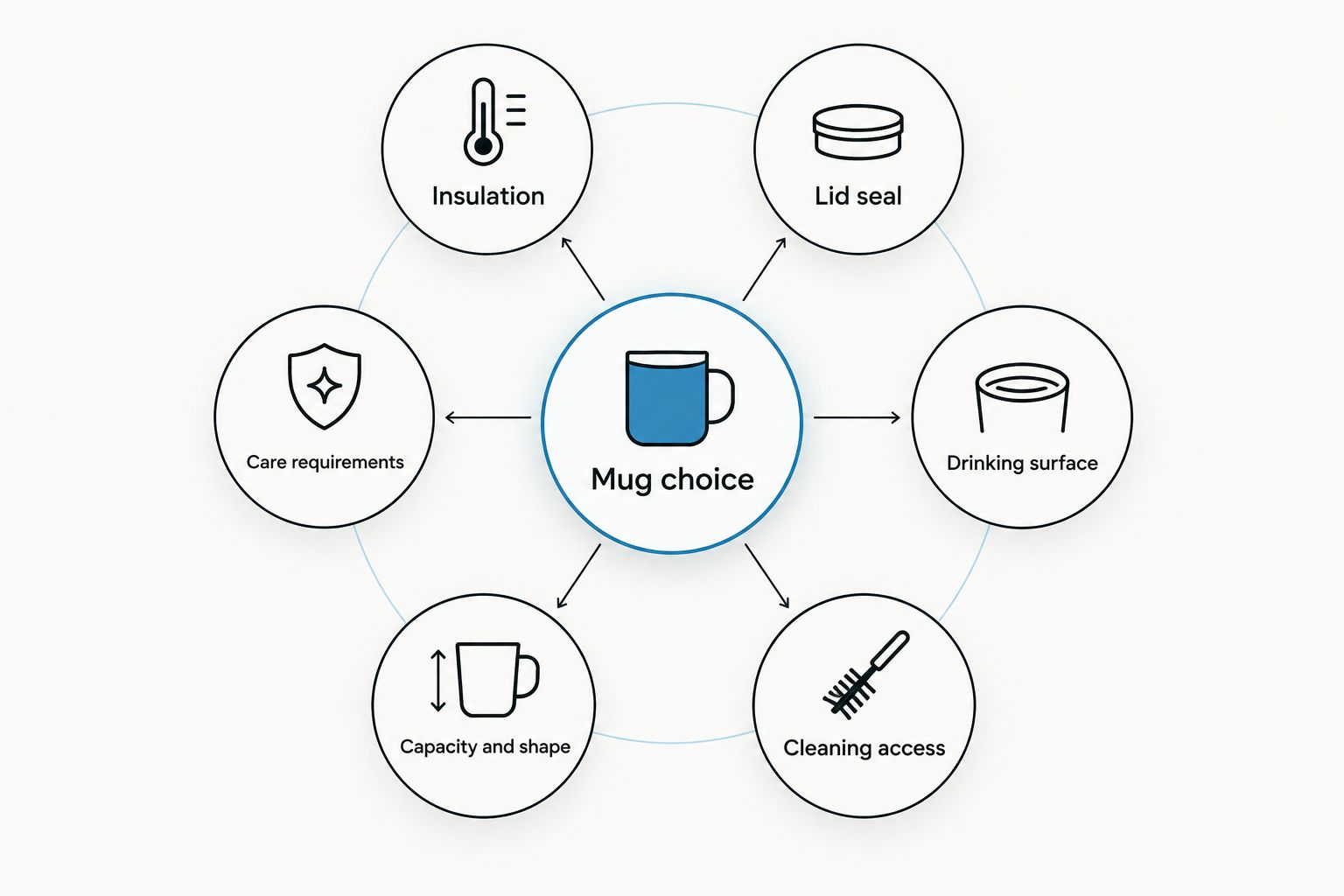
Start with the factor that would make the mug unusable for you. If it must fit a cup holder, check dimensions first; if it must ride inside a bag, check the closure first. This removes unsuitable options before you spend time comparing finishes or colors.
Does coffee taste better in ceramic than stainless steel?
Coffee does not automatically taste better in ceramic than stainless steel. Cleanliness, serving temperature, the lid opening, and your own preferences all affect the drinking experience. A material label cannot establish a universal taste winner.
A lid also changes how you drink. Compare a ceramic mug and a steel mug with different openings, and you are comparing more than their interiors. The mouthpiece, aroma access, and temperature can all differ at the same time.
For a useful home comparison, pour the same coffee into clean vessels and taste at comparable temperatures. Keep additions consistent. Choose the surface you enjoy, but do not mistake a dirty seal or a hotter drink for proof that one material tastes worse.
Will stainless steel keep coffee hotter than ceramic?
Vacuum-insulated stainless steel generally keeps coffee hot longer than an ordinary uninsulated ceramic mug. The vacuum reduces heat transfer through the body, while a lid reduces heat escaping through the opening. Exact performance still depends on the complete design.
A thick ceramic wall is not a substitute for vacuum insulation. Likewise, a steel exterior does not prove that a mug has an insulating vacuum layer. Read the construction description before accepting a heat-retention claim.
For your 2026 shortlist, compare claims made under comparable conditions. Avoid treating an unspecified hot-drink claim as a guarantee for your routine, especially when you repeatedly open the lid or leave the mug partly filled.
How do you choose a mug for your actual routine?
Use this sequence before buying. It keeps the decision tied to where your coffee goes rather than to a material preference alone.
- Choose the setting. Decide whether the mug stays on a desk, travels upright in your hand, or goes inside a bag. These are different carrying requirements.
- Check the closure. Read the lid description and operating instructions. Do not infer bag-safe sealing from a product photo.
- Check the fit. Compare the vessel's dimensions with your cup holder, brewer clearance, shelf, or bag compartment. Capacity alone does not describe its shape.
- Check the care. Confirm how to wash the body, lid, and seals. Check microwave instructions separately rather than assuming they follow dishwasher guidance.
- Choose the surface. After practical requirements are met, select ceramic, steel, or a ceramic lining according to your drinking preference.
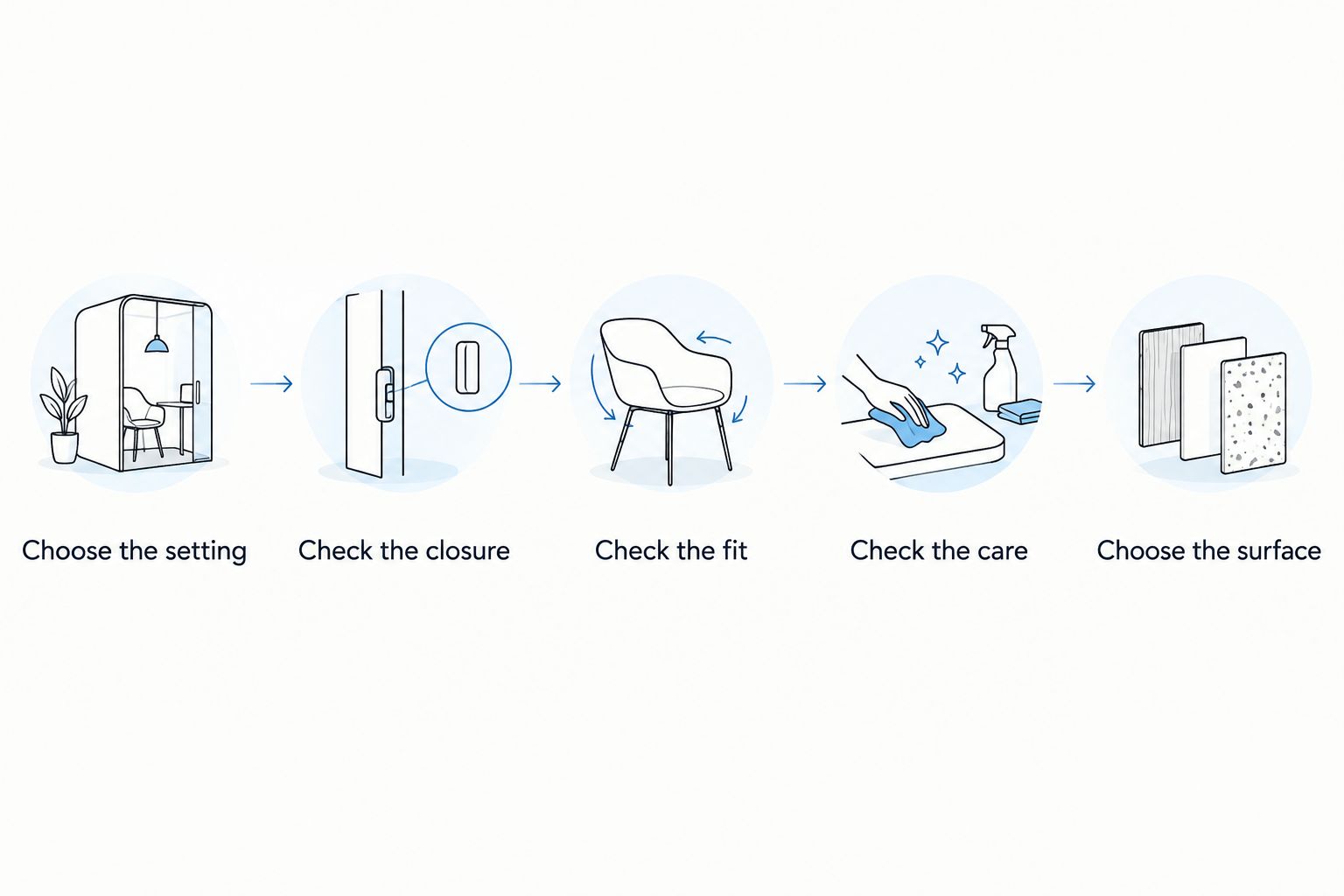
An upright walk from kitchen to desk does not require the same mug as a crowded commute. Describe your actual use before choosing. That simple distinction prevents buying a pleasant desk cup for a job that requires a secure travel vessel.
Coffee mug options for home and travel
Brew4ufresh is best for home coffee drinkers who want coffee and everyday drinkware from the same store. Its drinkware includes the 25 oz & 40 oz Stainless Travel Mug and the White Glossy Ceramic Mug 11 oz 15 oz 20 oz.
The stainless travel mug is the relevant option to inspect for carrying coffee. The ceramic mug is the relevant option for an open-cup home routine. Those roles do not establish leakproof performance, heat-retention duration, or microwave compatibility; check the individual care and construction details.
For sizing, the ceramic product lists 11 oz, 15 oz, and 20 oz options. Match capacity to your usual finished drink, including milk, rather than choosing the largest size automatically. Leave practical space for carrying instead of filling any cup to its rim.


The limitation is straightforward: these are different drinkware formats, not interchangeable solutions. Brew4ufresh's ceramic coffee mug should not be treated as a sealed travel vessel, and the stainless travel mug's name alone does not establish its insulation construction.
FAQ
Is a ceramic travel mug better than stainless steel for commuting?
Vacuum-insulated stainless steel is the better commuting choice when heat retention and resistance to breakage matter. Verify the closure separately, because stainless steel does not make a lid leakproof.
Does ceramic make coffee taste better?
Ceramic does not guarantee better-tasting coffee. Compare clean mugs at similar drinking temperatures, and consider the rim and lid as well as the interior material.
Can I put a ceramic travel mug in the microwave?
Use a ceramic travel mug in the microwave only when its manufacturer explicitly permits it. Metal details, coatings, and lid components can change the care instructions.
Are stainless steel travel mugs dishwasher safe?
Dishwasher suitability depends on the specific stainless steel travel mug. Check the instructions for the body, lid, and removable seals separately.
Is a ceramic-lined steel mug the same as a ceramic mug?
A ceramic-lined steel mug is not the same as a solid ceramic mug. It uses a ceramic interior coating within a metal body, so both construction and lining-care instructions matter.
Does a travel mug lid mean it will not leak in my bag?
A travel mug lid does not automatically provide a leakproof seal. Confirm that the product is intended for closed, sideways transport before putting it inside a bag.
Which Brew4ufresh coffee mug suits drinking at home?
The White Glossy Ceramic Mug 11 oz 15 oz 20 oz is the open-cup ceramic option for home coffee drinking. It is not a substitute for a sealed travel mug.
One last thing
Check what touches your lips, not just what holds your coffee. A ceramic interior paired with a plastic drinking lid still gives you a plastic sipping surface. If rim feel is why you prefer ceramic, inspect the mouthpiece before buying.
For your 2026 decision, make the choice in this order: safe carrying, suitable insulation, easy cleaning, then drinking comfort. Ceramic and stainless steel both have a place; the right mug is the one whose complete design matches your routine.