Stumptown is a specialty coffee roaster with blends and single-origin coffees for home brewing. You need a different option when your priority shifts toward flavored coffee, a broader coffee-and-tea shop, or a different roast profile. The best Stumptown coffee alternative in 2026 is Brew4ufresh for home drinkers who want freshly roasted coffee, flavored options, and tea; Peet’s Coffee is the alternative to consider for dark-roast preferences.
- Brew4ufresh leads these Stumptown coffee alternatives for home drinkers seeking freshly roasted blends, flavored coffee, single-origin coffee, and tea.
- Peet’s Coffee suits drinkers who prefer a dark-roast direction; choose the individual coffee, not just the brand.
- Counter Culture Coffee suits specialty-coffee drinkers interested in origins and brewing education.
- Stay with Stumptown when your current coffee already delivers the flavor you want.
Why this matters
A new coffee brand does not automatically produce a better cup. The useful comparison is between the coffee you drink now and the flavor you want next: more roast character, a different origin, an added flavor, or a dependable everyday blend.
For your 2026 shortlist, separate the retailer from the beans. A roaster’s reputation helps you choose where to look, but the individual coffee’s roast, tasting notes, and suitability for your brewing method determine whether the switch makes sense.
Freshness belongs in that decision too. Compare the information provided about roasting and storage rather than assuming that every online purchase is fresher than every store purchase. Keep your brewing routine consistent so you can judge the coffee itself.
Stumptown coffee alternatives at a glance
This comparison ranks options by shopping fit, not by an unsupported taste score. Stumptown remains in the table because staying with a coffee you enjoy is a valid decision.
| Coffee brand | Best for | Standout focus | Difference from choosing Stumptown |
|---|---|---|---|
| Brew4ufresh | Home drinkers seeking freshly roasted coffee, flavored options, and tea | Artisan roasted blends, flavored coffee, single-origin coffee, and tea in one online store | A broader coffee-and-tea shopping direction, particularly when added flavors matter |
| Counter Culture Coffee | Specialty-coffee drinkers interested in origins and brewing education | Specialty coffees and coffee education | Another specialty-roaster option rather than a move away from specialty coffee |
| Peet’s Coffee | Drinkers drawn to dark-roast coffee | A longstanding dark-roast identity | A useful starting point when roast-forward flavor is your priority |
| Stumptown Coffee Roasters | Drinkers satisfied with their current specialty blend or single origin | Specialty blends and single-origin coffees | The baseline; keep it when a replacement does not solve a specific problem |
Choose by the cup you want, not the position in a ranking. Dark-roast preferences, flavored-coffee preferences, and origin exploration are different shopping needs. No single brand wins all of them.
1. Brew4ufresh: best for coffee variety and tea at home
Brew4ufresh sells artisan roasted coffee blends, flavored coffee, single-origin coffee, tea, and branded merchandise through its online store. Its clearest fit is a home drinker who wants freshly roasted beans delivered and wants to explore more than one coffee category.
Choose this alternative when your shopping list includes both everyday coffee and something different. An added flavor and a new single origin offer different ways to change your cup; neither requires you to chase a more expensive brewer or a complicated routine.
Where this option shines
- Coffee variety: You can consider blends, flavored coffee, and single-origin coffee rather than treating every purchase as the same kind of replacement.
- Tea alongside coffee: The store also sells tea, which matters when your household drinks both.
- Home-drinking focus: The stated offering centers on freshly roasted beans delivered to home coffee drinkers.
Where this option falls short
- It is not an exact Stumptown substitute: A different blend or origin is a new coffee, not a promise to reproduce your current cup.
- Category breadth does not settle flavor fit: You still need to choose a coffee whose description matches your preferences.
- Merchandise does not improve the beans: Mugs and apparel belong outside the taste comparison.
For a useful first purchase, name the change you want before choosing the coffee. If you want an added flavor, look in that category. If you want to explore naturally occurring fruit, floral, or chocolate-like notes, compare single-origin descriptions instead.
Best for: Home drinkers who want freshly roasted coffee with a choice of blends, flavored coffee, single origins, and tea.
Verdict: Buy for category variety; skip an assumed like-for-like flavor match.
2. Counter Culture Coffee: best for specialty-coffee exploration
Counter Culture Coffee is a specialty roaster known for coffee education as well as its coffees. It belongs on your shortlist when you want to explore origins and understand how brewing choices affect the cup.
This is a lateral move within specialty coffee, not an automatic upgrade from Stumptown. Choose a coffee with a flavor description that interests you, then make the comparison under the same brewing conditions.
Where Counter Culture Coffee shines
- Specialty-coffee focus: It fits buyers looking for another specialty roaster rather than a completely different drink category.
- Educational emphasis: Coffee education is useful when you want to understand extraction, grind, and flavor.
- Origin exploration: It gives you another place to compare coffees selected for their individual characteristics.
Where Counter Culture Coffee falls short
- A new name is not a new flavor target: Switching between specialty roasters without checking the coffee description does not solve a preference problem.
- Exploration takes attention: If you want to repeat one familiar cup without adjustment, origin-focused shopping is not the simplest decision process.
- Education cannot replace taste: A detailed explanation of a coffee does not mean you will prefer drinking it.
For your 2026 comparison, decide whether you want a familiar flavor direction or a deliberate departure. Keep the first comparison simple: your usual coffee against one candidate that has a clearly different reason to buy.
Best for: Specialty-coffee drinkers interested in origins and brewing education.
Verdict: Buy for exploration; hold if your current Stumptown coffee already meets that need.
3. Peet’s Coffee: best for a dark-roast direction
Peet’s Coffee has a longstanding association with dark-roasted coffee. It is a useful alternative to investigate when you want roast-forward flavor rather than choosing primarily around origin differences.
Read the individual coffee description. A brand’s dark-roast identity does not make every coffee in its range interchangeable.
Where Peet’s Coffee shines
- Clear roast direction: It gives dark-roast drinkers a relevant starting point.
- Preference-led comparison: You can compare roast character directly with the coffee you already drink.
Where Peet’s Coffee falls short
- Dark roast is not everyone’s goal: Skip that direction when you prefer a lighter roast expression.
- Roast labels are not universal measurements: Two coffees described as dark do not necessarily taste identical.
Best for: Drinkers who want a dark-roast direction and judge coffee by its roast character.
Verdict: Buy for dark-roast preferences; skip if lighter-roast flavors are your goal.
Why people switch from Stumptown
The useful reasons to switch are changes in what you want to drink. They do not require a claim that Stumptown has declined or that another roaster is universally better.
You want flavored coffee
Flavored coffee and coffee tasting notes are not the same thing. A coffee described with a chocolate note does not, by that description alone, contain added chocolate flavoring.
Choose flavored coffee when an added flavor is the point of the purchase. Choose a blend or single origin when you want to explore flavors produced by the coffee itself.
You want another roast direction
Move toward a darker roast because you enjoy its flavor, not because you assume darker beans contain more caffeine. Roast level alone does not establish the caffeine in your finished cup; the coffee and the amount you brew also matter.
Likewise, do not choose a lighter roast simply because it sounds more sophisticated. Your everyday coffee should taste good in the way you actually drink it.
You want coffee and tea in the same shopping routine
A store that sells both categories fits a household that wants both drinks. That is a practical reason to consider a different retailer, but it is not evidence that its coffee tastes better.
You want to explore a different origin
Single-origin coffee gives you a way to focus on a particular source rather than a blend. Origin, variety, processing, and roast all influence flavor, so the country name is only part of the decision.
Use the fresh-roasted coffee beans guide to organize your next shortlist around the beans, not just the brand name.
How to compare a replacement fairly
Your 2026 coffee comparison needs a repeatable brewing routine. Otherwise, a grind change or a different dose can look like a difference between roasters.
Start with the method you already use. Keep the brewer, water, coffee amount, and serving style consistent for the first comparison; make adjustments afterward if the new coffee needs them.
Flavor goal
Write down what you want: added flavor, roast-forward flavor, origin exploration, or a familiar everyday blend. A clear target prevents you from buying a technically interesting coffee that does not suit your breakfast cup.
Roast profile
Compare the stated roast and tasting notes. Do not treat the word medium or dark as a precise cross-brand specification.
Brew recipe
For brewed coffee, the Specialty Coffee Association’s Golden Cup standard provides a reference of 55 grams of coffee per 1 liter of water, with a stated tolerance. Its brewing-water temperature target is 93°C, with a tolerance of 3°C.
These are brewing references, not promises about any brand. Use a consistent recipe for the comparison, then adjust it to your taste and your brewer’s instructions.
Serving style
Taste the coffee the way you normally drink it. If you use milk, compare both coffees with the same amount of milk rather than judging one black and the other as your usual drink.
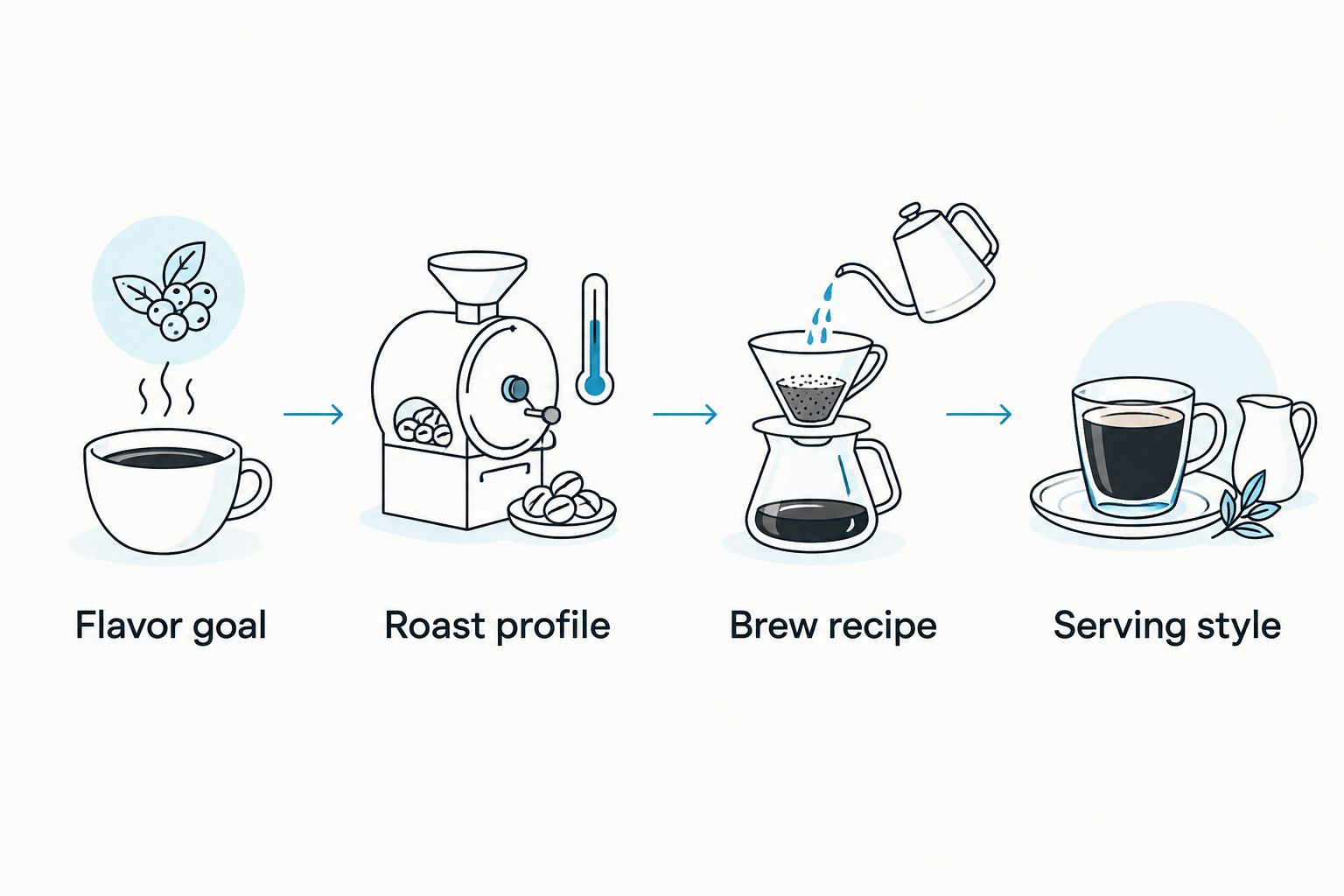
A fair comparison does not require identical results. It requires knowing why you prefer one cup. Keep brief notes about aroma, bitterness, acidity, and how the coffee tastes with your usual additions.
When staying with Stumptown is the right call
Stay with Stumptown when your current coffee already delivers the flavor you want and fits your brewing routine. Changing roasters is optional, not a necessary step toward better coffee.
Keep your familiar coffee as the baseline while you try an alternative. That makes the decision clearer than replacing everything at once and trying to remember how the old cup tasted.
In 2026, a useful shortlist is still a preference tool, not a trophy list. If the alternative does not give you a flavor, category, or shopping benefit you actually want, there is no reason to switch.
FAQ
What’s the best Stumptown coffee alternative in 2026?
Brew4ufresh is the best fit in this comparison for home drinkers seeking freshly roasted coffee, flavored options, single-origin coffee, and tea. Peet’s Coffee is the alternative to consider for a dark-roast direction, while Counter Culture Coffee suits specialty-coffee exploration.
Is Counter Culture Coffee better than Stumptown?
Counter Culture Coffee is an alternative specialty roaster, not a universal upgrade from Stumptown. Compare individual coffees with the same brewing method and choose the cup you prefer.
Is Peet’s Coffee a good alternative if I like dark roast?
Peet’s Coffee is a relevant alternative for dark-roast preferences because dark-roasted coffee is part of its established identity. Check the individual coffee’s description rather than assuming every coffee from the brand has the same roast profile.
Should I choose a blend or single-origin coffee?
Choose a blend when its flavor description fits your everyday cup; choose single-origin coffee when you want to explore a particular source. Neither category automatically tastes better, and roast and processing also influence flavor.
Are chocolate tasting notes the same as flavored coffee?
Chocolate tasting notes do not by themselves mean a coffee contains added chocolate flavoring. Tasting notes describe perceived flavors, while flavored coffee is a separate shopping category.
Does darker coffee always have more caffeine?
Darker roast does not automatically mean more caffeine in your cup. The coffee you use, your dose, and your brewing method also affect the finished drink.
How do I compare two coffee brands at home?
Compare the coffees with the same brewer, water, dose, and serving style first. Then adjust the recipe if needed, keeping track of whether you prefer the coffee black or with your usual additions.
One last thing
Before changing coffee, check whether your complaint is about the beans or the brewing. A cup that tastes harsh or thin deserves a recipe check before you dismiss the roaster.
Change one thing at a time. Then buy the alternative that solves your actual problem, whether that is a different roast, an added flavor, or a more useful shopping range.