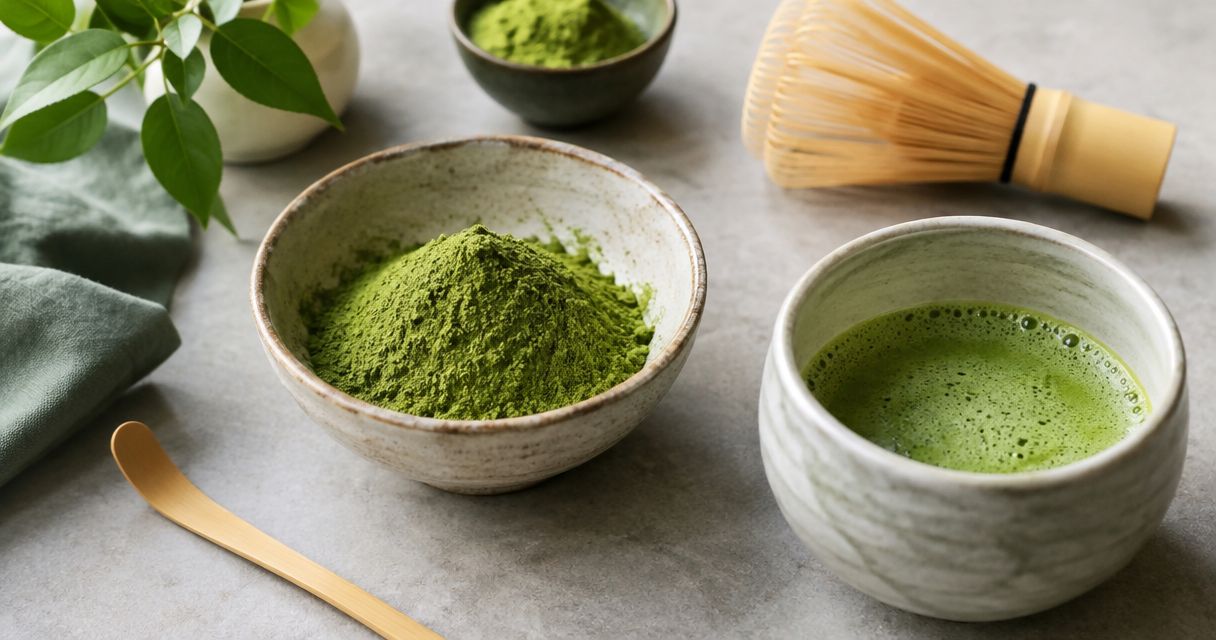
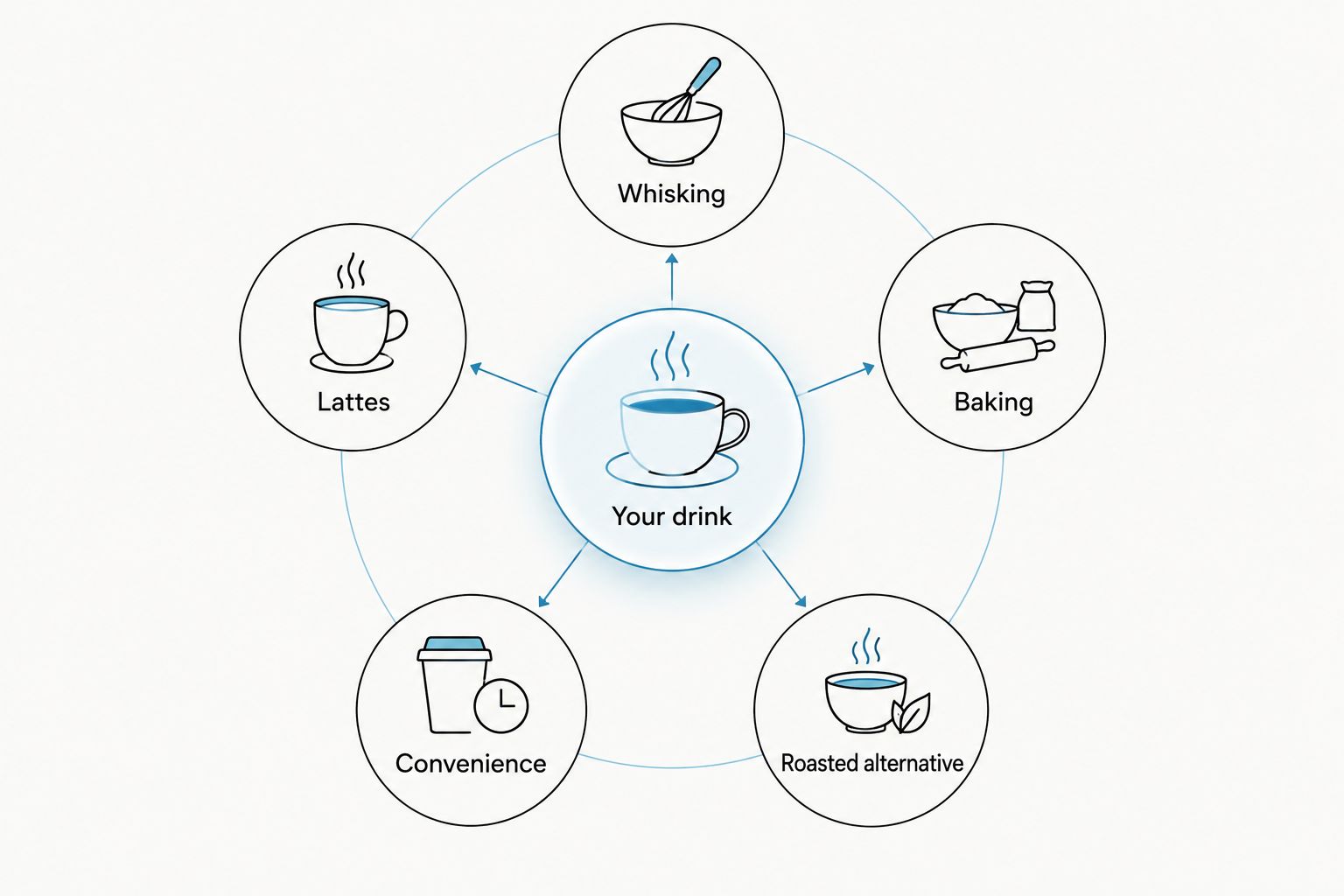
Best for whisking: Brew4ufresh Traditional Matcha Tea. Best for lattes: unsweetened matcha intended for milk drinks. Best for baking: culinary matcha. The best matcha powder in 2026 depends on whether you drink it with water, mix it with milk, or use it in food.
- Brew4ufresh Traditional Matcha Tea is the whisking pick, described as ceremonial-grade with an earthy, smooth profile.
- The best matcha powder for lattes starts with unsweetened matcha, so you control the milk and sweetness.
- Choose culinary matcha for baking; judge it in the finished recipe rather than as plain tea.
- Sweetened matcha mixes suit convenience, but their ingredients differ from plain matcha powder.
- Hojicha Roasted Green Tea Powder is a roasted alternative, not a type of matcha.
Why this matters
Matcha is powdered green tea that you whisk into liquid rather than steep and remove. You drink the suspended powder, so texture, flavor, and preparation all affect the cup. A powder that works well in a cake does not automatically make your favorite water-only tea.
Brew4ufresh sells coffee, tea, and branded merchandise for home drinkers. This guide keeps the matcha decision focused on the drink you actually make, rather than treating every green powder as interchangeable.
Brew4ufresh Traditional Matcha Tea is the matcha powder pick for home drinkers who want a product explicitly described for whisking. That recommendation follows the product's stated purpose; it is not a claim that the powder beats every competing brand in a taste test.
What makes the best matcha powder?
Use these criteria when comparing matcha powder in 2026. The label should help you choose, but the finished drink makes the final decision.
- Intended use: Choose a powder for water-only tea, milk drinks, or cooking. Match the recommendation to your routine before comparing packaging language.
- Ingredients: Check whether the product is plain matcha or a mixture containing sugar, milk ingredients, flavoring, or other additions. These are different buying decisions.
- Flavor fit: For plain tea, look for a description that matches your preference for sweetness, umami, earthiness, and bitterness. For lattes, consider how those flavors work with your milk.
- Texture: Matcha should disperse when prepared properly. Sifting and whisking matter, so do not blame the powder for every clump.
- Product detail: Look for clear preparation directions and relevant origin or processing information. A ceremonial-grade label alone does not establish how a tea will taste.
- Storage: Choose packaging you can close securely. Keep the powder away from moisture, heat, light, and strong surrounding odors.
Do not make color your only test. Lighting and product photography change how green a powder appears, while added ingredients change what you are comparing. Read the ingredient list before treating two packages as equivalent.
Best matcha powder options at a glance
These recommendations separate buying categories rather than presenting an unsupported brand leaderboard. Traditional Matcha Tea is a named product; the next three entries describe types of matcha to look for. Hojicha appears as a clearly marked alternative.
| Option | Best for | Standout feature | Key limitation |
|---|---|---|---|
| Traditional Matcha Tea | Whisking | Described as ceremonial-grade, earthy, and smooth | Its whisking description does not establish latte or baking performance |
| Unsweetened latte-focused matcha | Lattes | Lets you choose milk and sweetener separately | Milk changes the flavor you taste |
| Culinary matcha | Baking | Intended for use within food recipes | Cooking suitability does not establish plain-tea quality |
| Sweetened matcha drink mix | Convenience | Combines matcha with other drink ingredients | Less control over sweetness and formulation |
| Hojicha Roasted Green Tea Powder | Roasted alternative | Roasted leaves and stems milled into powder | It is not matcha |
Your drink determines which column matters most. Whisking puts the tea itself in the foreground; lattes and baking make the surrounding ingredients part of the result.
1. Traditional Matcha Tea: best matcha powder for whisking
Traditional Matcha Tea is Brew4ufresh's matcha powder described as ceremonial-grade and crafted for whisking. Its stated flavor profile is vibrant, earthy, and smooth. That makes whisked tea the clearest use case for this product.
Start by preparing it with water so you can understand the tea before adding milk or sweetener. Follow the product's preparation directions when provided. A consistent method makes it easier to decide whether the flavor fits your everyday cup.
Traditional Matcha Tea pros:
- The description identifies whisking as its intended preparation.
- The earthy, smooth profile gives you a clear flavor direction.
- It is a named matcha product, not a general green tea blend.
Traditional Matcha Tea cons:
- Whisking still requires preparation; powder does not behave like an instant drink mix.
- An earthy profile is not the same as a sweetened café-style drink.
- The ceremonial-grade description is not proof of quality by itself.
Best for: Home drinkers who want to whisk matcha and prefer an earthy tea profile.
Choose Traditional Matcha Tea because its description fits your preparation, not because the grade wording sounds impressive. If your usual drink contains milk and sweetener, evaluate the finished latte separately rather than assuming the water-only result will carry over unchanged.
Verdict: Buy Traditional Matcha Tea for its stated whisking use.
2. Unsweetened latte-focused matcha: best matcha powder for lattes
Unsweetened matcha intended for lattes keeps the tea separate from milk and sweetener. You choose those additions yourself. That makes this category useful when you want to adjust your drink rather than follow a fixed mixture.
Judge the powder in the milk you normally use. Dairy milk and plant-based drinks have their own flavors, and sweetened versions introduce another variable. A plain-water tasting helps you understand the tea, but the finished latte determines whether it suits your routine.
Unsweetened latte-focused matcha pros:
- You control sweetness instead of accepting a premixed formula.
- You can change milk without changing the tea powder.
- The same powder supports hot or iced preparation.
Unsweetened latte-focused matcha cons:
- You need to mix the powder separately to avoid dry clumps.
- Milk can obscure delicate flavor differences.
- A latte-focused description does not guarantee you will enjoy it with water alone.
Best for: Drinkers who make their own milk-based matcha and want control over the recipe.
For your 2026 shortlist, prioritize a clear ingredient list over vague claims about strength. A stronger-tasting latte can come from preparation as well as powder choice, so keep the recipe consistent when comparing products.
Verdict: Buy unsweetened latte-focused matcha when milk is part of your daily drink.
3. Culinary matcha: best matcha powder for baking
Culinary matcha is sold for cooking and baking applications. It belongs in a comparison built around cakes, cookies, sauces, or other recipes—not automatically in a ranking of water-only tea.
Evaluate culinary matcha in the food you plan to make. Sugar, fat, flour, and heat change the finished experience. A powder's performance in a whisked bowl does not tell you everything about its performance in a baked recipe.
Culinary matcha pros:
- The intended use aligns with cooking rather than tea ceremony language.
- You can assess it against a specific recipe.
- It adds powdered tea directly without steeping and straining leaves.
Culinary matcha cons:
- A cooking recommendation does not establish a smooth plain-tea result.
- Ingredient substitutions change the flavor and appearance of the food.
- More powder is not an automatic fix for an unbalanced recipe.
Best for: Home bakers who want matcha as an ingredient rather than their main drinking tea.
Use a recipe written for matcha. Replacing another dry ingredient with matcha without adjusting the recipe changes more than flavor, so avoid treating it as a universal substitute.
Verdict: Buy culinary matcha for recipes; skip it as your default water-only tea unless you enjoy that result.
4. Sweetened matcha drink mix: best option for convenience
A sweetened matcha drink mix combines matcha with other ingredients. Depending on the formulation, those additions include sugar, flavoring, or milk ingredients. Read the package rather than assuming every mix works the same way.
This category suits people who want a repeatable drink without measuring each component separately. It is not equivalent to plain matcha powder. You are choosing a complete or partial drink formula as well as tea.
Sweetened matcha drink mix pros:
- It reduces the number of ingredients you measure separately.
- It suits drinkers who already prefer a sweetened cup.
- Package directions give you a defined preparation method.
Sweetened matcha drink mix cons:
- You cannot remove sugar already blended into the powder.
- Milk ingredients or other additions require an ingredient and allergen check.
- The finished flavor does not isolate the matcha itself.
Best for: Drinkers who prioritize a simple, consistent sweetened beverage over recipe control.
Check whether the directions call for water or milk before preparing the drink. Adding sweetened milk to an already sweetened mix changes the result again; the ingredient list and directions should guide your choice together.
Verdict: Buy a sweetened mix for convenience; skip it when you want plain matcha or independent sweetness control.
Hojicha Roasted Green Tea Powder: best roasted alternative
Hojicha Roasted Green Tea Powder is not matcha. The Brew4ufresh product is described as roasted green tea made from selected leaves and stems, then stone-milled into a fine powder. Consider it when you want to explore roasted tea rather than select another matcha grade.
Hojicha Roasted Green Tea Powder pros:
- Its roasted preparation distinguishes it from matcha.
- Powdered tea gives you a different format from steeped loose leaves.
- The description identifies both the tea material and milling method.
Hojicha Roasted Green Tea Powder cons:
- It does not replace matcha when you specifically want matcha flavor.
- It is not a direct substitute in every matcha recipe.
Best for: Tea drinkers interested in a roasted powdered-tea alternative.
Verdict: Buy Hojicha Roasted Green Tea Powder to explore roasted tea, not as a matcha substitute.


How these recommendations are ranked
The 2026 ranking prioritizes intended use, ingredient control, preparation, and stated flavor. Traditional Matcha Tea leads the whisking recommendation because its description explicitly names that method. The other matcha entries occupy separate use cases rather than competing for the same title.
The recommendations do not assign taste scores or claim blind-test results. Ceremonial and culinary wording helps describe positioning, but neither replaces a clear ingredient list, useful directions, and your own assessment of the finished drink.
Prepare matcha consistently before judging it
For a standard thin matcha preparation, Ippodo Tea's published usucha instructions use 2 g of matcha, 60 ml of water, and water at 80°C. This established preparation is the recipe reference for this 2026 guide, not a product-specific instruction or a guarantee of taste.
Use the manufacturer's directions when they specify a different method. Keep your preparation consistent while deciding whether a powder suits you.
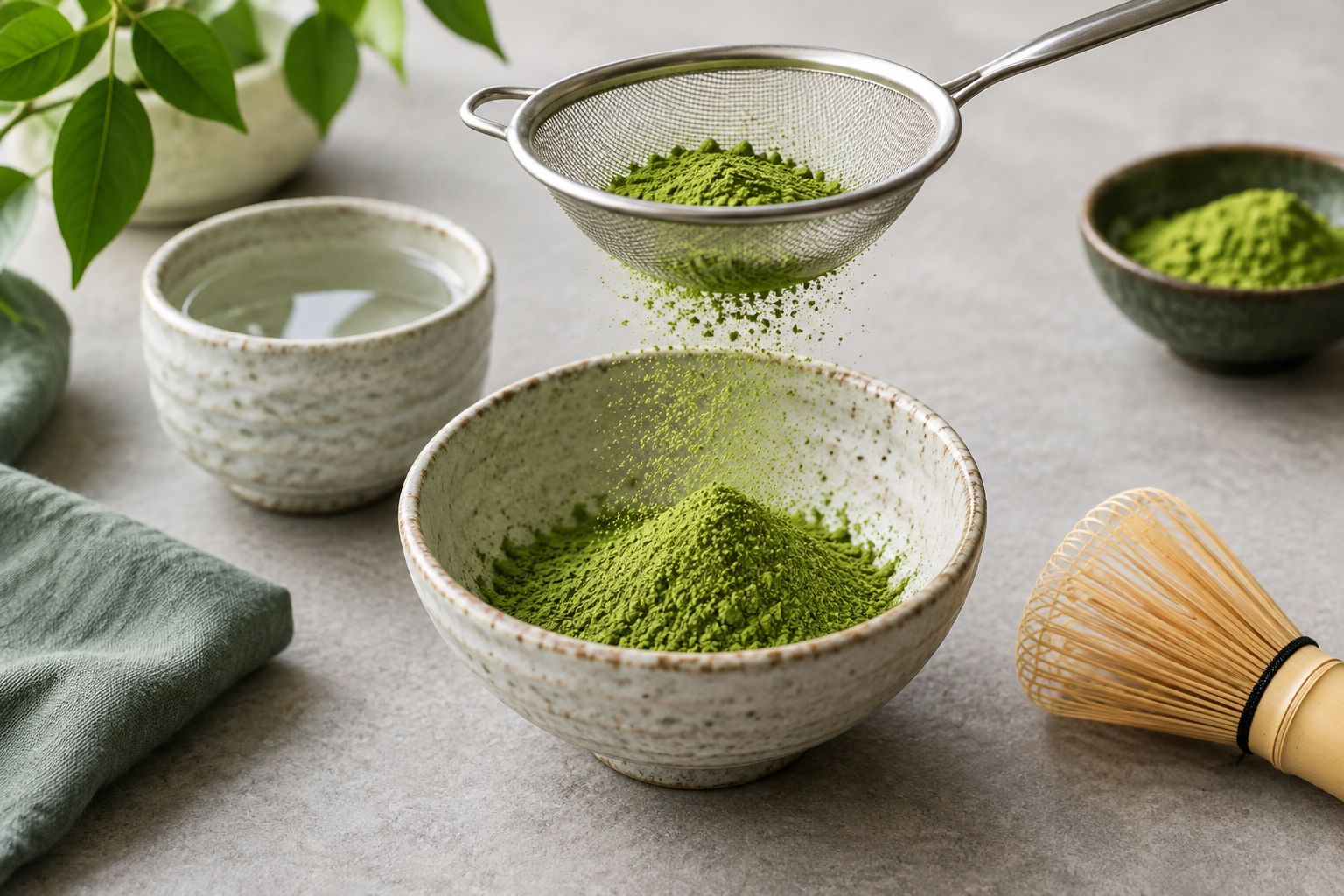
- Sift the powder. Break up clumps before adding water.
- Measure the water. Keep dilution consistent between cups.
- Whisk thoroughly. Disperse the powder rather than leaving dry pockets.
- Taste before additions. Learn the tea's flavor before adding milk or sweetness.
A bitter cup does not automatically mean you bought poor matcha. Concentration, water temperature, and the tea itself all affect the result. Change one preparation variable at a time instead of changing the powder, water, and milk together.
Which matcha powder should you choose?
Choose Traditional Matcha Tea if you want the named whisking option in this guide. Choose unsweetened latte-focused matcha if milk is your default. Choose culinary matcha if the powder will mainly go into food.
For an undecided reader, start with plain matcha suited to your intended preparation. A sweetened mix answers a different need, while hojicha takes you into a different tea category. Keeping those distinctions clear makes the decision simpler.
FAQ
What's the best matcha powder for beginners in 2026?
The best matcha powder for beginners matches the drink they plan to make. Traditional Matcha Tea is the named whisking option in this guide; unsweetened latte-focused matcha suits people who mainly drink matcha with milk.
Is ceremonial-grade matcha always better?
No, ceremonial-grade wording alone does not establish that one matcha is better than another. Compare intended use, ingredients, preparation directions, and the flavor of the finished drink.
What's the best matcha powder for lattes?
Unsweetened matcha intended for milk drinks is the clearest choice when you want control over a latte recipe. Mix the powder properly, then add the milk and sweetener you prefer.
Can I use culinary matcha for drinking?
Yes, you can prepare culinary matcha as a drink, but its cooking label does not establish how it will taste with water alone. Choose it primarily for recipes unless you already enjoy its drinking result.
Is matcha powder the same as green tea powder?
No, not every green tea powder is matcha. Matcha is made from powdered tencha, while other powdered green teas use different tea material or processing.
Is hojicha the same as matcha?
No, hojicha is roasted tea, while matcha is powdered tencha. Hojicha Roasted Green Tea Powder is a roasted alternative rather than another grade of matcha.
Why does my matcha have clumps?
Fine matcha powder can clump, especially when it meets moisture or is mixed poorly. Sift it before preparation and whisk thoroughly; matcha disperses in water rather than dissolving like sugar.
One last thing
Matcha disperses; it does not dissolve like sugar. Some settling is normal, so a little powder at the bottom of the cup is not proof that you chose badly. Stir or whisk again before deciding the texture is wrong.
Make your final 2026 choice after preparing the same powder consistently. Keep the tea amount, water, and additions steady, then decide whether you enjoy the result. A useful everyday pick is one that fits your drink—not one with the most elaborate label.