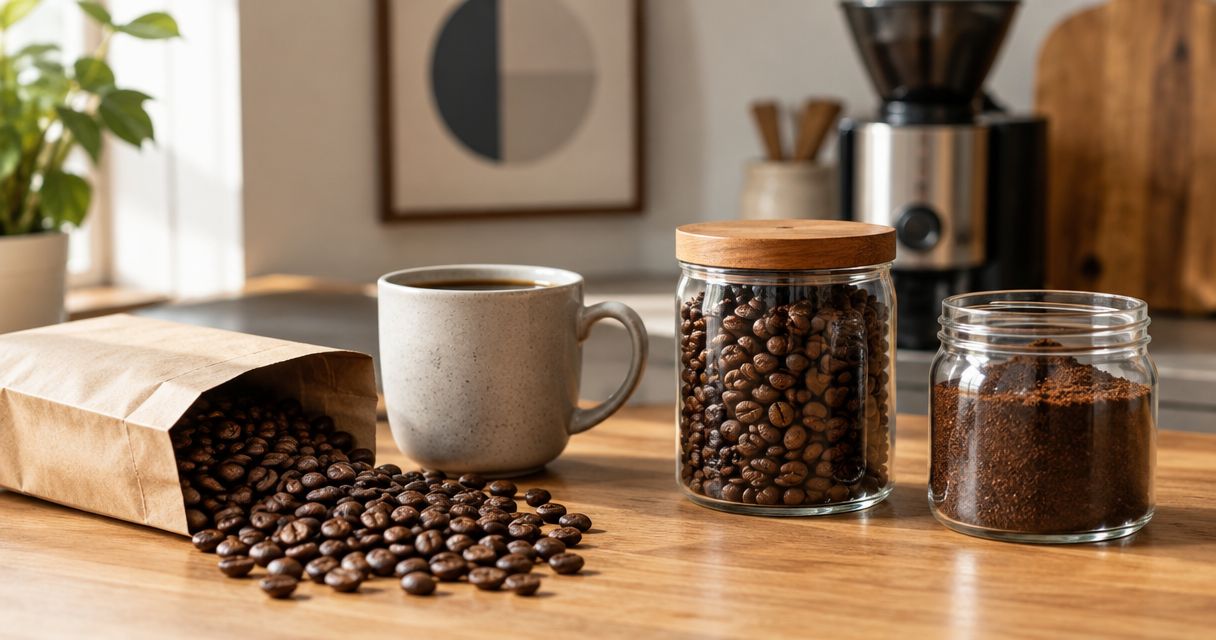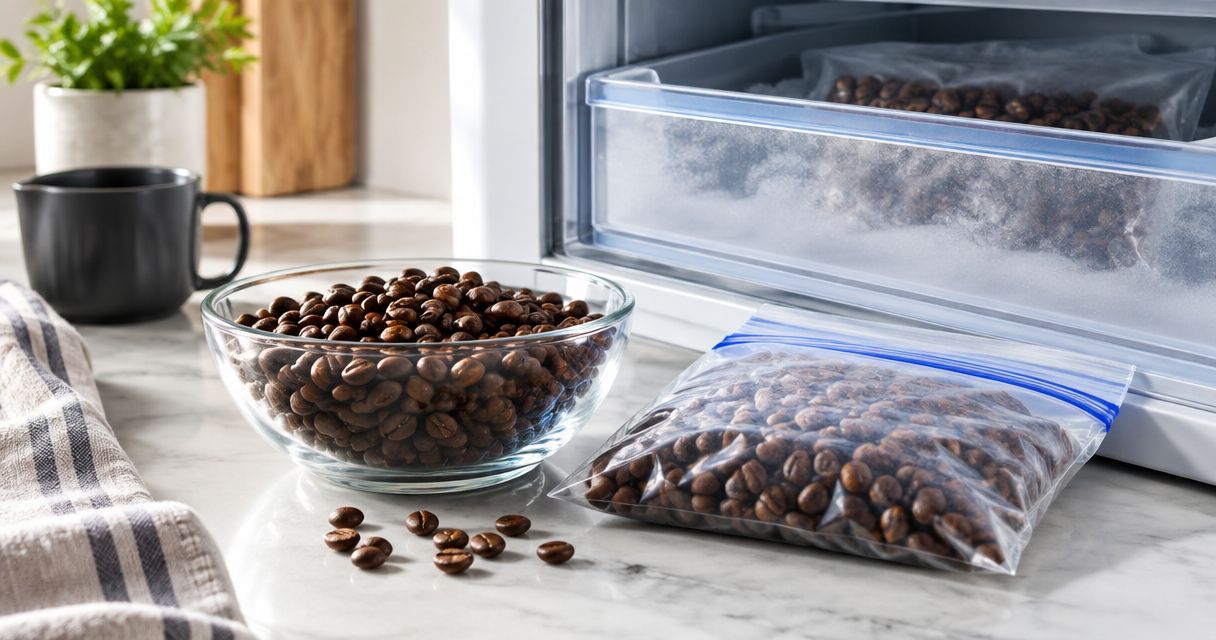
Yes, you can freeze coffee beans to help preserve their freshness when you have more than you will brew soon. Seal them in airtight, freezer-safe portions, then let each portion reach room temperature before opening it. The main risk is moisture from condensation, especially when you repeatedly open a cold bag.
- Can you freeze coffee beans? Yes—freeze sealed portions, not the bag you open every morning.
- Keep whole coffee beans dry, airtight, and protected from freezer odors.
- Thaw each portion while sealed before opening it for brewing.
- Brew4ufresh sells freshly roasted coffee for home drinkers; freezing protects surplus beans, not an already stale bag.
Can you freeze coffee beans to keep them fresh?
Yes. Freezing slows the changes that make roasted coffee lose aroma and flavor, but packaging and handling determine the result. It does not restore freshness that beans have already lost. Start with coffee you enjoy, protect it from air and moisture, and freeze the portion you want to save.
If you are choosing a new bag first, the guide to fresh-roasted coffee beans covers that separate buying decision. Storage preserves the starting quality; it cannot improve the roast.
Use this sequence for your 2026 coffee storage routine:
- Keep out your working supply. Set aside the coffee you will use soon in an airtight container in a cool, dark cupboard.
- Divide the surplus. Make portions that match a brewing session or a short stretch of normal use.
- Seal each portion. Use freezer-safe packaging, remove excess air, and close it securely.
- Label and freeze. Record the coffee name and freezing date so you can identify bags without opening them.
- Thaw while sealed. Let a portion reach room temperature before opening, then use it as your working supply.
The important distinction is between storing a sealed reserve and using the freezer as your daily coffee jar. The first limits exposure. The second repeatedly exposes cold beans to warmer, humid air.
Why this matters
Coffee loses freshness through exposure to oxygen, heat, moisture, and light. Freezing addresses temperature, but it does not replace a good seal. A poorly closed bag still leaves the beans exposed to air and household odors.
Your drinking routine matters just as much. If you finish a bag promptly, cupboard storage avoids extra handling. If you rotate several coffees or need to set some aside, freezing gives you a way to separate tomorrow's coffee from your reserve.
Freeze the surplus, not your entire daily routine. That keeps the process simple and reduces the temptation to open a frozen package for every scoop.
Cupboard, refrigerator, or freezer: which should you use?
Choose the storage method by how you plan to access the beans, not by assuming colder always means better. Each option has a different trade-off.
| Storage option | Best for | Main advantage | Main drawback |
|---|---|---|---|
| Cool, dark cupboard | Coffee you are actively brewing | Simple access without thawing | Does not slow staling as much as freezing |
| Refrigerator | Not recommended for your daily coffee supply | Keeps food cool | Repeated access creates moisture and odor concerns without the same long-term storage benefit as freezing |
| Freezer, sealed portions | Surplus coffee you want to save | Slows freshness loss while portions remain sealed | Requires suitable packaging and a thawing routine |
For everyday use, keep an airtight container away from the stove, dishwasher, and direct sunlight. A convenient spot beside a hot appliance is not a good storage spot.
For reserve storage, use a freezer maintained at 0°F (-18°C) or below, the FDA's standard household freezer recommendation. This is an appliance setting, not a promise about how long coffee will taste fresh. Your 2026 freezer checklist should include checking the appliance temperature rather than assuming its dial is accurate.
Whole beans: best for freezing before you grind
Whole beans are the better default when you can grind at home. Grinding exposes more coffee surface to air, so leaving the beans intact until brewing helps limit that exposure.
Whole beans still need a tight seal. Their outer structure does not protect them from every storage problem, and a loosely folded bag is not enough for freezer storage.
Divide beans according to your actual use. For example, if your normal brew uses 30 grams, you can freeze individual 30-gram portions. That is a packaging example, not a recommended brewing dose; use the amount that suits your brewer and taste.
Single-brew portions reduce repeated opening, but they also require more packaging and preparation. A larger portion is simpler to pack, though you will expose the remaining beans each time you open it after thawing. Choose the smallest practical portion you will comfortably use.
Ground coffee: best for households without a grinder
You can freeze ground coffee using the same airtight-portion method. Keep it dry, minimize air in the package, and thaw it before opening.
The drawback is that grinding has already increased its exposure to oxygen. Freezing helps preserve its current condition; it does not reverse aroma loss that happened before you sealed it.
If preground coffee fits your routine, do not make storage unnecessarily complicated. Package usable portions and avoid opening the main reserve repeatedly. Whole beans offer more control over when grinding happens, but they also require a grinder and an extra brewing step.
Why frozen coffee freshness varies
There is no single freezer lifespan that guarantees an equally good cup for every coffee. These factors explain why results differ:
- Starting freshness. Beans that already taste flat will not become lively again after freezing.
- Packaging quality. A secure, freezer-safe barrier limits exposure to air, moisture, and surrounding odors.
- Air inside the package. Reducing excess air limits the oxygen packed alongside the coffee.
- Portion size. Smaller usable portions reduce the need to reopen a larger reserve.
- Temperature changes. Repeated trips between the freezer and counter create more opportunities for condensation.
- Opening habits. Keeping the package closed while it warms protects cold beans from humid room air.
Roast style and personal taste also affect what you notice in the cup. Rather than treating a calendar deadline as proof of freshness, compare the aroma and brewed flavor with what you remember from the same coffee before storage.
How should you package coffee beans for the freezer?
Use a clean, dry, food-safe container or freezer-rated bag with a dependable closure. A vacuum sealer is useful for reducing air, but it is not a requirement. The practical goal is a sealed portion that stays dry until you are ready to use it.
For a simple 2026 packaging routine, follow these labels: Portion, Seal, Label, Freeze, Thaw sealed. Finish packing before moving the coffee into the freezer so you are not opening cold containers during preparation.
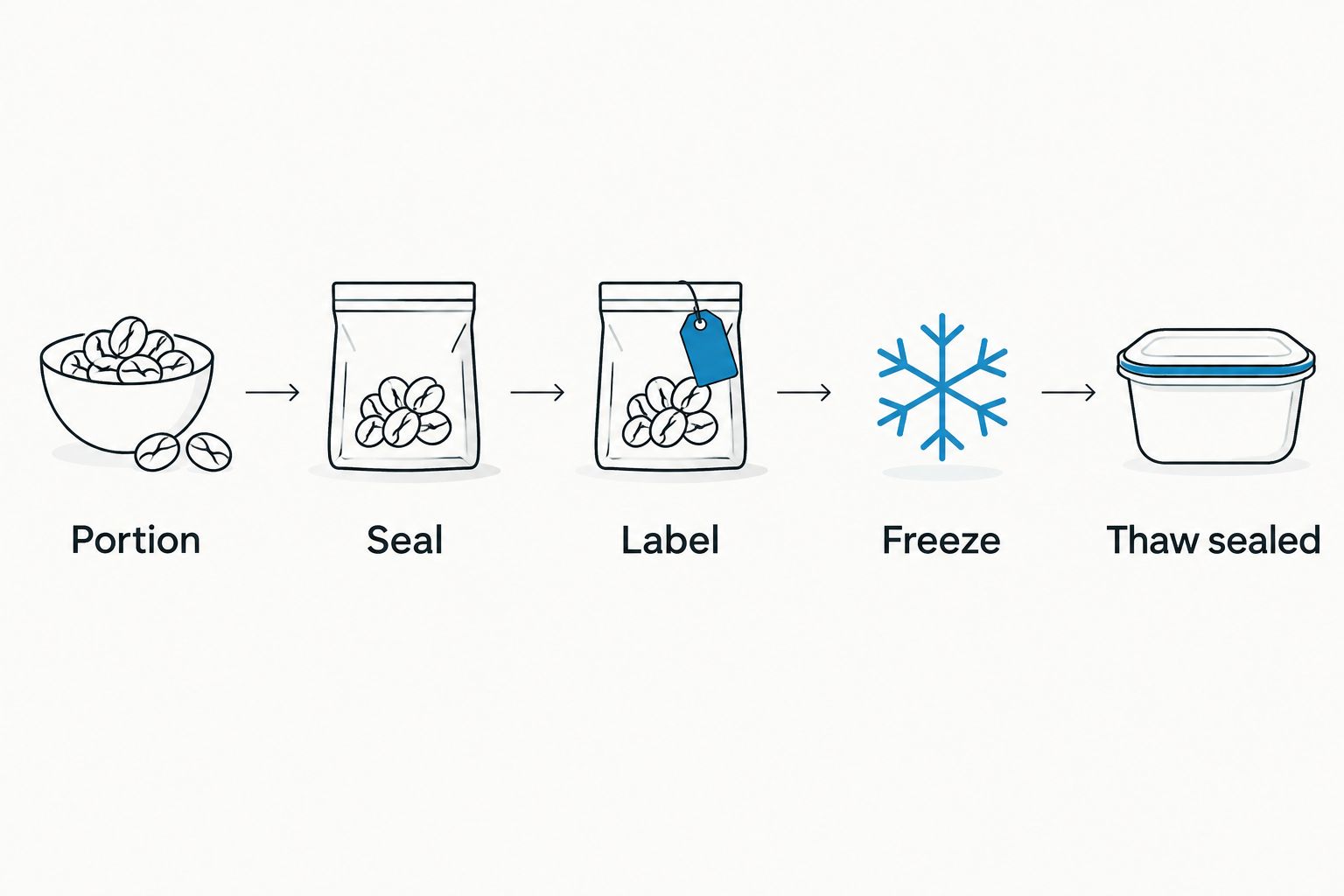
Check the closure before freezing. Coffee grounds caught in a zipper or a lid that does not sit properly can compromise the seal. Wipe the sealing area clean and use packaging designed for freezer conditions.
Do not assume every original coffee bag is suitable for the freezer. Packaging materials and closures differ. If you cannot confirm that the bag provides an appropriate freezer barrier, transfer the coffee to suitable packaging rather than relying on a folded top and clip.
Label the coffee name, roast information if provided, and freezing date. This helps you use older portions first and stops different coffees from becoming indistinguishable once packed.
How do you thaw frozen coffee beans without condensation?
Thaw the beans inside their closed package until they reach room temperature. Open the package afterward, not while the beans are still cold.
Condensation forms when warmer, humid air meets a cold surface. Keeping the package sealed during warming limits the amount of room air reaching the beans. Moisture on the outside of the package is different from moisture directly on your coffee.
Do not rush thawing with an oven, microwave, or hot water. Leave the sealed portion on the counter, away from heat and sunlight. Package size and room conditions affect warming time, so a universal minute count is less useful than checking that the contents are no longer cold.
Once thawed, move the coffee into your normal brewing routine. Keep it airtight between uses rather than returning the opened portion to the freezer every morning.
How long can you keep coffee beans in the freezer?
Frozen coffee has no universal taste deadline. Seal quality, starting freshness, and temperature stability all affect the result, so a fixed promise would hide the variables that matter.
For your 2026 reserve, use the oldest portions first and assess the brewed cup. A freezing date helps organize your supply; it does not certify freshness or food safety. Discard coffee with visible mold or evidence of moisture damage rather than trying to rescue it through brewing.
Can you refreeze coffee beans after thawing them?
Avoid making refreezing part of your routine. Repeated warming, opening, and cooling creates more opportunities for air and moisture exposure, which works against your freshness goal.
Refreezing does not automatically mean dry coffee becomes unsafe. The reason to avoid the cycle here is quality control. Portioning before the first freeze removes the need to make that decision later.
Is freezing worth the effort for your coffee routine?
Freezing makes sense when you have a genuine reserve: a second bag, a coffee you drink occasionally, or more beans than your household currently uses. It is less useful when you finish each bag promptly and would only add packaging and thawing steps.
Brew4ufresh is best for home coffee drinkers seeking freshly roasted coffee delivered to their door. The store sells roasted blends, flavored coffee, and single-origin coffee; those choices still need appropriate storage after delivery.
If you buy coffee from Brew4ufresh, decide what stays in your working supply before opening multiple bags. Delivery convenience does not replace an airtight seal or make freezing necessary for every household. Let your consumption rate determine the storage plan.
FAQ
Can you freeze coffee beans in the original bag?
You can freeze coffee beans in the original bag only if its material and closure are suitable for freezer storage. Otherwise, use airtight, freezer-safe packaging and divide the beans into usable portions.
Is freezing coffee beans better than keeping them in the cupboard?
Freezing is better suited to sealed surplus coffee, while a cool, dark cupboard is simpler for your active supply. Choose based on how soon you will brew the beans and how often you need to open the container.
Should I put coffee beans in the refrigerator instead?
A refrigerator is not the preferred place for your daily coffee supply. Frequent opening exposes cold coffee to warmer air, and poor packaging leaves it vulnerable to moisture and surrounding food odors.
Do I need to vacuum-seal coffee beans before freezing?
You do not need a vacuum sealer to freeze coffee beans. Use freezer-safe, airtight packaging, remove excess air where practical, and keep the portion sealed until it has thawed.
Does freezing coffee beans make them taste fresh again?
Freezing does not make stale coffee taste fresh again. It slows further freshness loss, so the condition of the coffee when you freeze it determines what you are preserving.
Should frozen coffee beans thaw before I open the bag?
For a simple home storage routine, thaw coffee beans in the sealed bag before opening it. This limits contact between cold beans and humid room air, reducing the opportunity for condensation.
Can I freeze decaf or flavored coffee beans?
You can freeze decaf or flavored coffee beans using the same sealed-portion approach. Keep each coffee securely packaged so moisture and surrounding odors do not compromise its flavor.
One last thing
The easiest improvement to your 2026 coffee storage routine is deciding the portion size before freezing. A perfectly sealed package is less helpful if it contains more coffee than you want to thaw.
Match the package to your brewing habit. A freezer works best as a reserve shelf, not a daily scoop station.