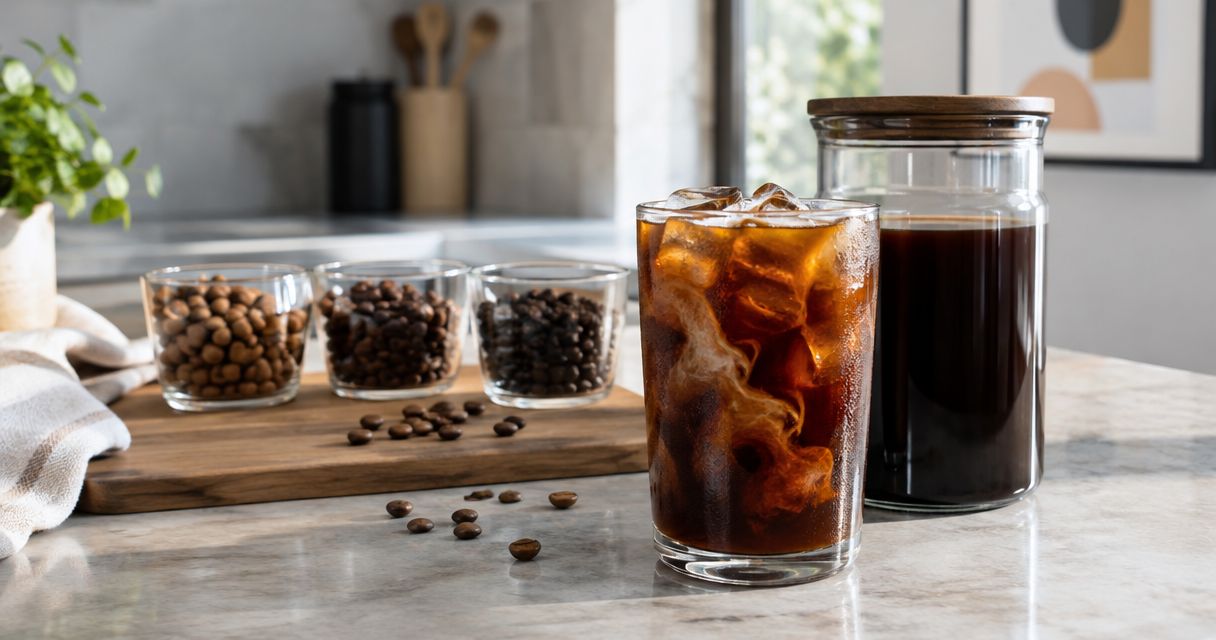
Yes, you can make cold brew with any roasted coffee beans, including light roast, dark roast, espresso blends, flavored coffee, and decaf. You do not need beans labeled for cold brew, but roast, grind size, freshness, and your brewing method determine how the finished drink tastes.
- Can you make cold brew with any coffee beans? Yes; roast changes flavor, not whether the beans work.
- Start with medium roast and coarse grounds for an easy first batch.
- Brew4ufresh offers cold brew coffee options for home drinkers choosing between medium roast and coarse-ground French roast.
- Use fresh, unused grounds; cold brewing does not restore stale coffee.
Can you make cold brew with any coffee beans?
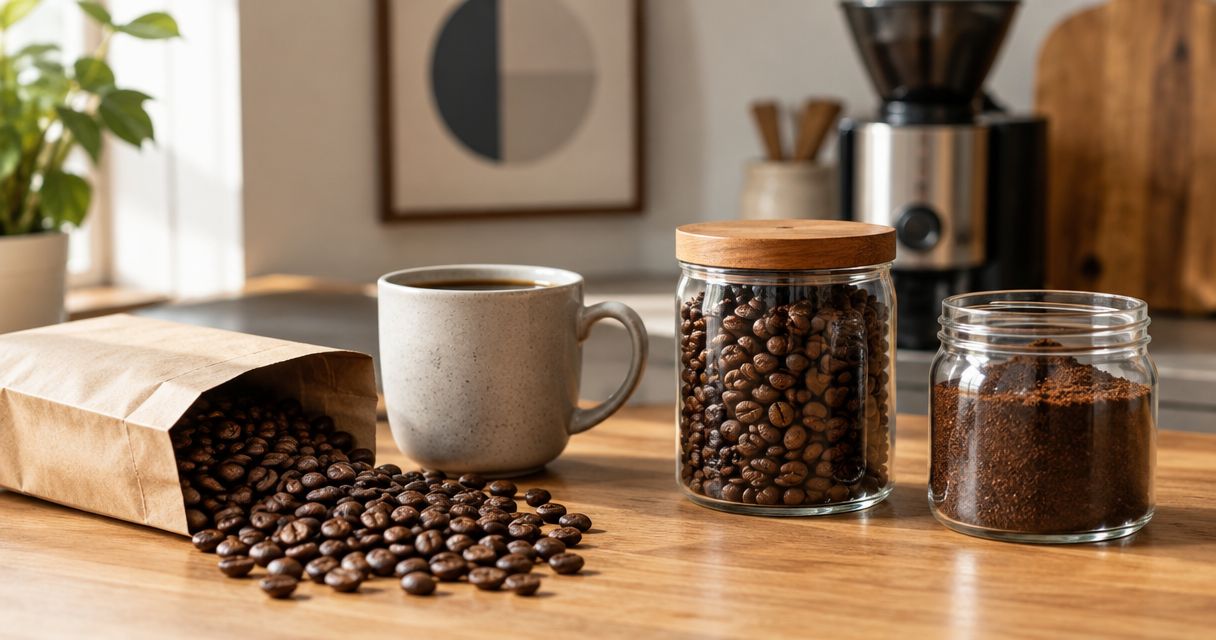
Any roasted coffee bean can make cold brew once you grind it. A cold brew label describes an intended use, not a separate kind of bean. Espresso beans also work because espresso is a brewing method, not a botanical category.
Choose by the flavor you want rather than the wording on the bag. These options all work, but their trade-offs differ.
| Coffee option | Best for | Main advantage | Main drawback |
|---|---|---|---|
| Light roast | Drinkers who enjoy brighter coffee | Preserves more origin-led flavor | Needs careful extraction to avoid a thin, sharp result |
| Medium roast | A balanced first batch | Balances roast character and bean flavor | Less roast intensity for smoky-coffee fans |
| Dark roast | Drinkers who prefer deep roast flavor | Brings pronounced roasted notes | Smoke or bitterness can dominate |
| Espresso blend | Using beans you already enjoy | Works without a special cold brew blend | The espresso label does not specify roast or grind |
| Decaf | Drinkers reducing caffeine | Works with the same basic method | Decaf is not necessarily caffeine-free |
| Flavored coffee | Dessert-style iced drinks | Adds a chosen flavor profile | Added flavor can obscure the coffee's origin character |
Why this matters
You do not need a separate bag just to try cold brew in 2026. Start with a coffee you already like, then adjust the grind and recipe before deciding that the beans are wrong.
Brew4ufresh sells freshly roasted coffee for home drinkers, including blends and single-origin options. The useful question is whether you prefer a bright, balanced, or deeply roasted cup—not whether a bag gives you permission to brew it cold.
Cold water also does not erase every problem. Stale aromas, an unsuitable grind, or too little coffee still affect the result, even after a long steep.
Light roast: best for brighter black cold brew
Light roast works for cold brew when you want more of the coffee's individual character. Fruit-like, floral, or citrus-like notes depend on the beans and processing; light roasting alone does not guarantee them.
The trade-off is extraction. Light-roasted coffee generally extracts less readily than darker-roasted coffee, so a recipe that suits a dark blend can leave light roast tasting underdeveloped.
Choose light roast if you enjoy bright coffee without much milk. If the result tastes sharply sour and thin, check extraction before rejecting the roast. Keep the dose consistent and adjust the grind or steeping time separately.
Medium roast: best for your first batch
Medium roast is a practical starting point because it sits between pronounced roast flavor and lighter origin-led character. It gives you room to learn your preferred strength without starting at either flavor extreme.
Its limitation is the same middle ground. A medium roast will not satisfy someone specifically seeking a smoky finish, and it will not reproduce every delicate note of a lighter coffee.
Start with medium roast when you have no established cold brew preference. Taste the finished coffee black before adding milk so you can judge what the beans and recipe actually produced.
Dark roast: best for pronounced roast flavor
Dark roast works for cold brew, including beans sold for espresso or French press. Choose it because you enjoy roasted flavors, not because cold brewing requires dark beans.
The drawback is that dark roasting can cover up differences between origins. An intensely roasted coffee can still taste smoky or bitter when brewed cold; cold water is not a guarantee of sweetness.
Choose dark roast for roast depth, then dilute to taste. If you dislike smoke in hot coffee, do not expect an extended cold steep to remove it.
Why cold brew flavor varies
The same beans can produce noticeably different drinks. For a repeatable 2026 home routine, write down the variables you control rather than changing everything after a disappointing batch.
- Roast level: Changes the balance between origin character and roast-developed flavors.
- Grind size: Affects extraction and how easily you separate the grounds from the drink.
- Coffee freshness: Stale beans lose aroma; a cold steep does not reverse that loss.
- Coffee-to-water ratio: Determines the starting concentration before ice, water, or milk.
- Steeping time and temperature: Work together to affect extraction.
- Filtration and dilution: Change the texture and strength of the drink you actually serve.
Origin matters too, but a country name is not a complete flavor description. Processing, variety, and roasting also shape the cup. Use the bag's tasting notes as a starting point rather than assuming every coffee from one country tastes alike.
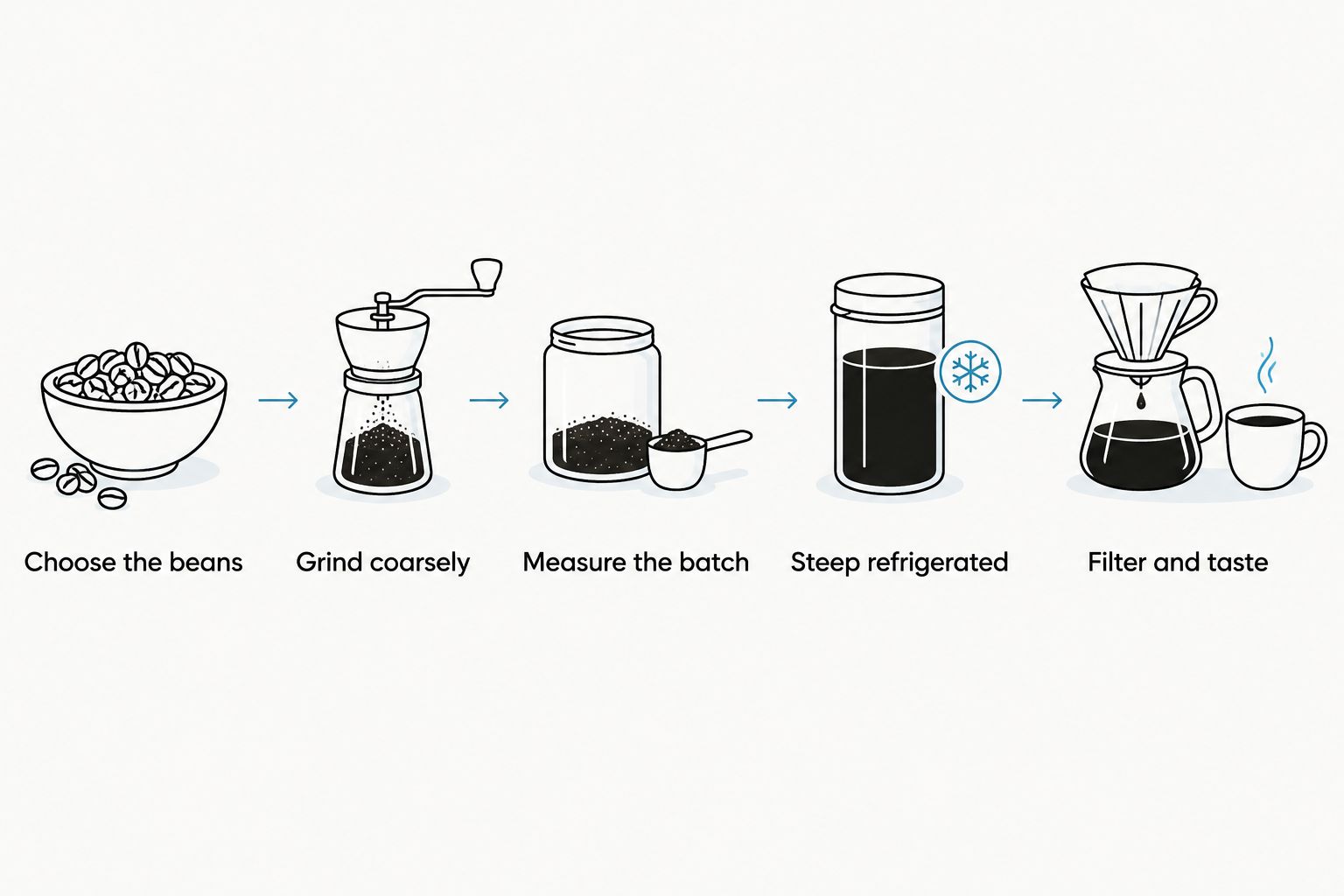
A simple cold brew method for 2026
Treat this recipe as a starting point, not a performance promise for every bean. Use a clean jar or cold brew maker, a scale, a filter, and drinking water you enjoy.
Choose the beans
Start with a medium roast you already like. Use fresh, unused coffee rather than grounds left over from a hot brew.
Whole beans give you control over grind size. Pre-ground coffee still works, but you must work with its existing grind instead of adjusting it to your filter.
Grind coarsely
Aim for a coarse grind rather than espresso-fine powder. Coarse grounds are easier to strain and generally leave less sediment than fine grounds with the same filtering setup.
Do not leave the beans whole. Grinding exposes more surface area to the water and makes extraction more practical.
Measure the batch
For a trial batch, combine 100 grams of coffee with 800 grams of water, a 1:8 coffee-to-water ratio by weight. This is a suggested recipe, not a universal requirement; taste the filtered result before deciding how much to dilute it.
Stir enough to wet all the grounds. Dry pockets above the water line do not extract evenly with the submerged coffee.
Steep refrigerated
Cover the container and steep in the refrigerator. Use 12–24 hours as a starting window, then judge the result by taste rather than assuming longer is always better.
Keep the brewing location consistent between batches. Switching between a countertop steep and a refrigerated steep changes temperature as well as time.
Filter and taste
Strain out the grounds, then use a paper filter if you want a cleaner texture. Fine particles can slow paper filtration, so let gravity work rather than squeezing grounds through the filter.
Taste a small serving before adding ice or milk. Dilute gradually, refrigerate the remaining coffee, and use clean utensils when serving.
Can you use regular pre-ground coffee for cold brew?
Regular pre-ground coffee works for cold brew, even when it is ground for a drip machine. The main compromise is filtration: smaller particles pass through some mesh filters or slow down paper filters.
Use a paper filter after the initial straining if the drink feels gritty. For future batches, choose a coarser grind when you want easier filtering, not because regular grounds are incapable of brewing cold.
Can you use espresso beans for cold brew?
Espresso beans work for cold brew, but espresso-fine grounds are less convenient to filter. Buy whole beans and grind them coarsely if you want the blend's flavor without dealing with a fine powder.
Read the roast description separately. An espresso blend can be light, medium, or dark, so the word espresso does not tell you how smoky or bright your cold brew will taste.
Can you make cold brew with decaf coffee?
Decaf coffee works for cold brew using the same basic process as regular coffee. Choose the roast and flavor profile you enjoy, then adjust your recipe by taste.
Decaffeination does not necessarily remove all caffeine. If caffeine intake matters to you, do not treat a decaf cold brew—or any unmeasured homemade batch—as having a known caffeine dose.
When a cold brew-specific coffee makes sense
A dedicated blend is useful when its roast and grind match your routine. It is not necessary simply to make extraction happen.
Brew4ufresh cold brew coffee is best for home drinkers choosing between a medium-roast blend and a coarse-ground French roast. The descriptions identify different starting points, so choose by roast preference rather than treating the names as interchangeable.
| Product | Best for | What the description establishes | Trade-off |
|---|---|---|---|
| Cold Brew Coffee Blend | Drinkers seeking a medium-roast starting point | A medium-roast blend intended for cold brew | Not the darker French-roast option |
| Cold Brew Coffee Coarse Grind | Drinkers who want pre-ground French roast | A coarse-ground French-roast blend | You cannot adjust the grind yourself |
For your 2026 setup, decide whether grind control or ready-ground convenience matters more. Neither description establishes a measured caffeine level, a guaranteed steeping time, or how the coffee will taste with your water.


Fix the recipe before replacing the beans
A disappointing batch does not automatically mean you chose the wrong origin or roast. Separate problems with strength from problems with extraction and texture.
- Weak but pleasant: Use less dilution first. If the undiluted batch is still weak, increase the coffee dose next time.
- Sharp and thin: Check whether the grounds were fully wet, then test a longer steep while keeping the other variables fixed.
- Too smoky: Try a lighter roast. More filtering will not remove roast-developed flavor.
- Gritty: Improve filtration before changing beans. Sediment is a texture issue, not proof of poor coffee.
- Flat or stale: Check bean freshness and storage. Increasing the dose does not restore lost aroma.
When you are ready to compare another bag, use this fresh-roasted coffee beans guide to explore options. Keep your brewing method consistent so the comparison tells you something useful about the coffee.
FAQ
Do I need special coffee beans for cold brew in 2026?
No, you do not need special coffee beans for cold brew in 2026. Any roasted coffee beans work once ground; choose the roast for flavor and the grind for your brewing and filtering setup.
What's the best roast for a beginner making cold brew?
Medium roast is a practical first choice for beginners making cold brew. It offers a middle ground between lighter origin-led flavors and pronounced dark-roast character.
Can I make cold brew with flavored coffee beans?
Yes, flavored coffee beans work for cold brew. Choose a flavor you enjoy, but expect the added flavoring to influence or cover some of the bean's natural character.
Can I make cold brew with whole beans without grinding them?
Grind the beans before making cold brew. Whole beans expose far less surface area to water, making extraction less practical and harder to control.
Is dark roast cold brew stronger than light roast?
Dark roast cold brew can taste more intensely roasted, but that does not establish higher caffeine content. Coffee dose, dilution, bean composition, and extraction all affect what you drink.
Can I use coffee grounds twice for cold brew?
Use fresh, unused grounds for cold brew rather than brewing the same grounds twice. Used grounds have already lost soluble material and do not reproduce the original cup.
Does Brew4ufresh sell coffee intended for cold brew?
Brew4ufresh sells Cold Brew Coffee Blend and Cold Brew Coffee Coarse Grind. Their descriptions distinguish a medium-roast blend from a coarse-ground French-roast blend.
One last thing
Taste your cold brew before adding ice. Melting ice changes concentration, so a batch that tastes right straight from the refrigerator can taste weak by the end of the glass.
For your next 2026 batch, keep a small undiluted sample beside the finished drink. That simple comparison tells you whether to change the brew itself or just what you add afterward.