Cold brew coffee has no single caffeine amount: the dose depends on the beans, brewing recipe, dilution, and portion you drink. For a useful answer in 2026, check the caffeine listed for the finished serving—not just the bottle size or the word concentrate.
- How much caffeine is in cold brew coffee depends on concentration and serving size, not the brewing name alone.
- Diluting cold brew lowers caffeine concentration, but drinking the entire diluted batch preserves its total caffeine.
- Brew4ufresh cold brew coffee suits home brewers who want to prepare and portion their own batches.
- Use labeled caffeine amounts when you need a measured dose; taste and roast darkness cannot provide one.
Why this matters
A smooth cup is not necessarily a low-caffeine cup. Cold brew's flavor tells you what you enjoy, but it does not tell you how much caffeine you are drinking.
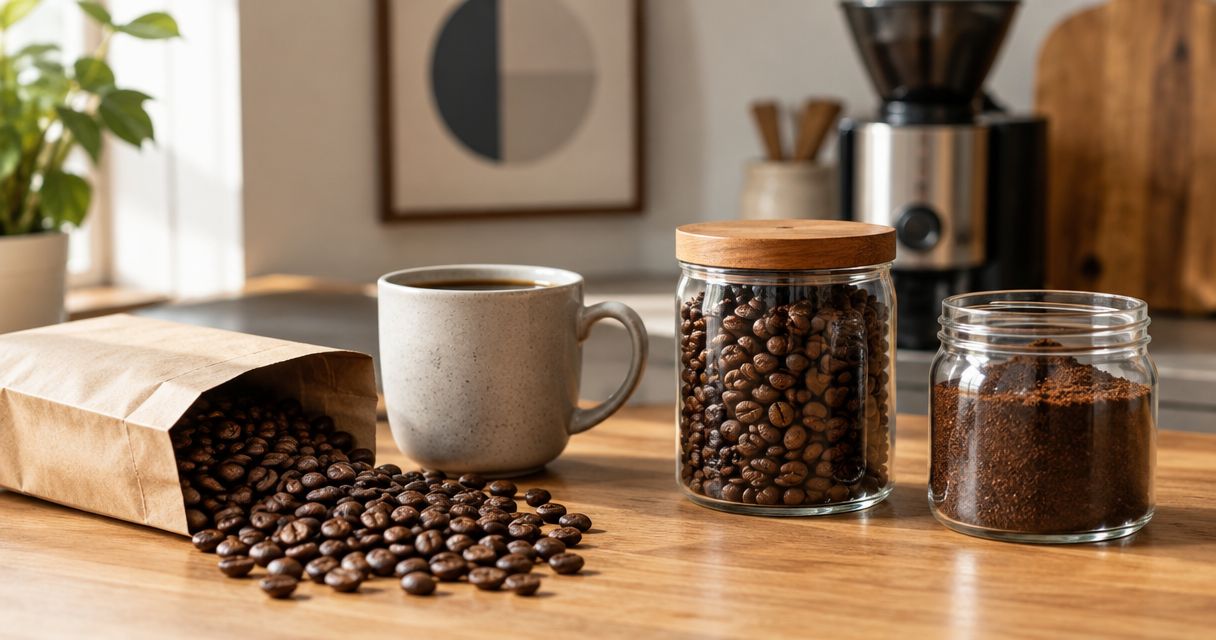
If you are choosing coffee beans for cold brew, separate flavor preferences from caffeine decisions. Roast, origin, and tasting notes help you select beans; a measured caffeine value requires information about the finished drink.
For your 2026 coffee routine, track the portion of coffee you actually pour. A large mug, added milk, and melting ice make a drink look different without necessarily changing its total caffeine.
How much caffeine is in cold brew coffee?
Cold brew caffeine varies by preparation. Ready-to-drink coffee, diluted concentrate, and undiluted concentrate are different products, even when all carry the same cold brew label.
The most useful comparison starts with the drink's intended use. Compare finished servings against finished servings, rather than treating every fluid ounce of cold brew as equivalent.
| Cold brew format | Best for | Main advantage | Main limitation | What to check |
|---|---|---|---|---|
| Ready-to-drink cold brew | A simple pour-and-drink routine | No dilution calculation when consumed as directed | A bottle can contain more than your intended portion | Caffeine per serving and servings per container |
| Cold brew concentrate | Adjusting drink strength | You control the amount of water or milk | It is easy to confuse concentrate volume with finished drink volume | Dilution directions and caffeine labeling basis |
| Homemade cold brew | Choosing your beans and recipe | You control the brewing process | A recipe does not establish an exact caffeine dose | Coffee weight, water amount, finished yield, and portion |
For context—not as a cold brew estimate—the U.S. Food and Drug Administration lists 113–247 mg of caffeine in 12 fluid ounces of regular brewed coffee. That reference describes regular brewed coffee, not every cold brew recipe or concentrate.
Source: FDA consumer guidance, Spilling the Beans: How Much Caffeine Is Too Much? The scope is general caffeine guidance and common beverage examples; it is not a measurement of a particular cold brew.
Do not apply a general brewed-coffee figure to an unlabeled concentrate. The product's own caffeine information is the better reference when it is provided.
Ready-to-drink cold brew: check the finished serving
Ready-to-drink cold brew is intended to be consumed without a required dilution step. That makes the preparation simpler, but you still need to read the serving information.
Look for whether caffeine is stated per serving, per container, or per specified volume. Those descriptions are not interchangeable when you pour only part of the bottle—or drink the entire container.
If you add milk to a measured serving, you increase the drink's volume without removing the caffeine already present. The beverage becomes less concentrated, but its total caffeine remains the same unless you leave some of it undrunk.
Best for: a straightforward routine, especially when the package provides caffeine per finished serving. The trade-off is less control over the original brewing recipe.
Cold brew concentrate: dilution changes concentration
Cold brew concentrate is intended for dilution according to the maker's directions. Its caffeine information needs to be read alongside those directions.
The key distinction is between caffeine concentration and total caffeine. Concentration describes caffeine relative to liquid volume; total caffeine describes the amount in the portion you consume.
Adding plain water or milk reduces concentration. It does not remove caffeine from the concentrate you already poured.
To reduce the total caffeine in your drink, use less concentrate rather than merely adding more water to the same amount. You can also drink a smaller portion of the finished mixture.
Best for: adjusting flavor strength and drink size. The drawback is that a casual, unmeasured pour makes your caffeine intake harder to track.
Homemade cold brew: consistency is not a caffeine measurement
Homemade cold brew lets you choose the coffee, water, brewing time, and serving style. Those choices give you control over the recipe, not an automatic caffeine figure.
Weighing ingredients and repeating the process helps you make a more consistent drink. It does not turn the recipe into a laboratory measurement.
Keep a short record of the beans, coffee weight, water amount, steeping conditions, and finished liquid yield. Record the portion you pour, too; an identical batch served in a larger glass delivers more coffee.
Best for: home brewers who value control over flavor and preparation. If you need a measured caffeine dose, a homemade recipe without analytical data is the limitation—not a substitute for that data.
Why cold brew caffeine varies
The main drivers in this 2026 guide are ingredients, extraction, and the amount consumed. Changing any of them changes what a cup represents.
- Coffee composition: Arabica and Robusta differ in caffeine content. A blend's name or flavor description does not disclose the caffeine in your finished drink.
- Coffee-to-water ratio: The amount of coffee relative to water affects brewing strength. A concentrated recipe cannot be compared fairly with a ready-to-drink recipe by name alone.
- Extraction conditions: Grind size, contact time, and temperature influence extraction. A longer steep is not a reliable caffeine calculator.
- Dilution: Water, milk, and melted ice change concentration. They do not remove caffeine from the coffee already in the glass.
- Serving size: Drinking more of the same batch increases your total caffeine. Container capacity and actual coffee volume are different measurements.
Roast darkness is not a dependable shortcut. A smoky flavor signals roast character, while the caffeine you consume still depends on the coffee and preparation.
Choose roast for taste; check serving information for caffeine. Treating those as separate decisions makes product comparisons clearer.
How do you work out caffeine from a cold brew label?
Use the label's stated basis before doing any calculation. A caffeine amount is useful only when you know which portion it describes.
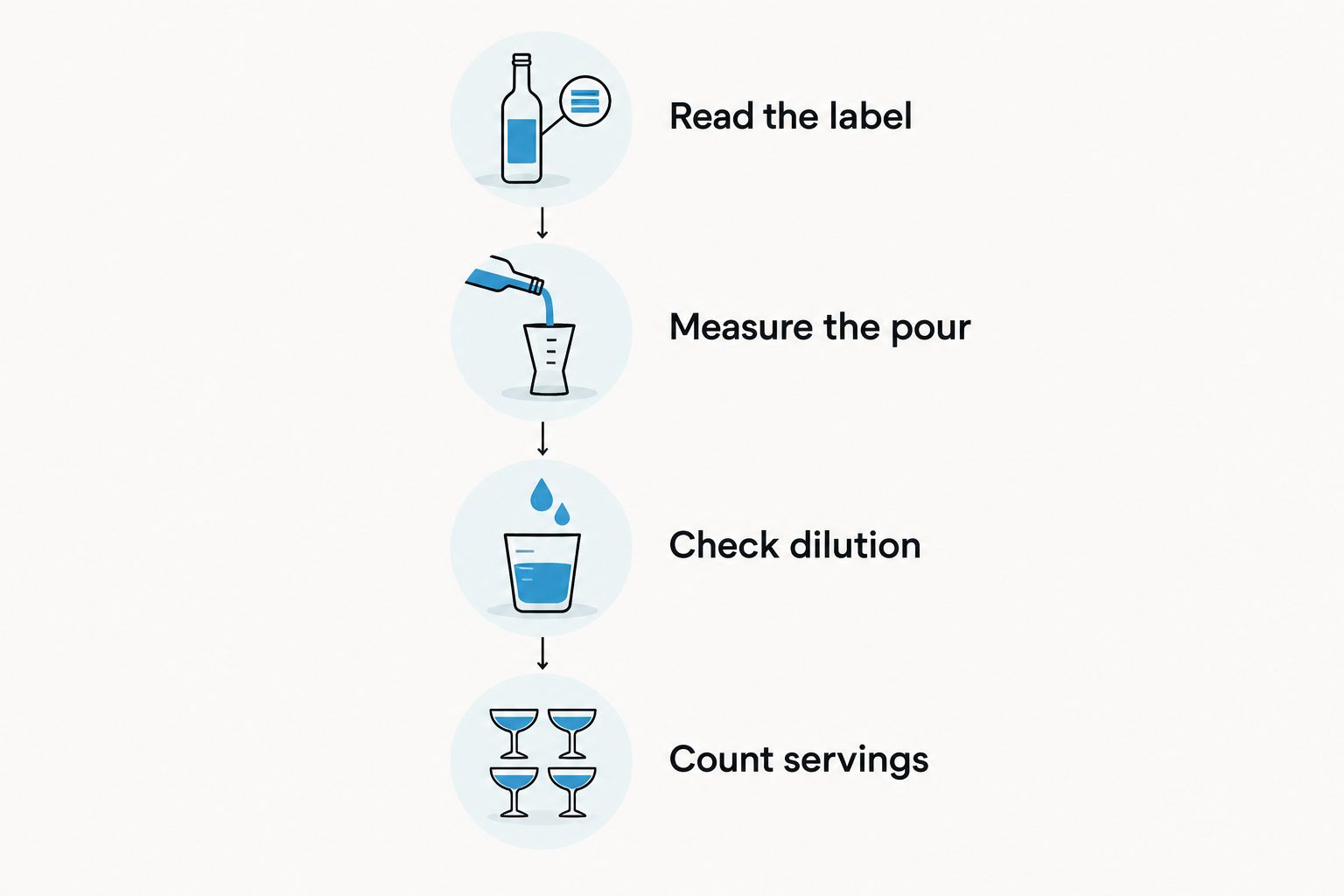
- Read the label. Identify whether the caffeine amount applies to concentrate, a prepared drink, or the whole container.
- Measure the pour. Measure the coffee or concentrate you actually use, rather than estimating from the glass size.
- Check dilution. Follow the preparation instructions when the stated caffeine amount applies to a diluted serving.
- Count servings. Include refills and other caffeinated drinks when considering your daily intake.
When the stated caffeine amount applies to a known volume, calculate your portion proportionally. Multiply the listed caffeine amount by the volume you drink, then divide by the volume the label describes; keep the volume units consistent.
That calculation only works when the starting caffeine value applies to your coffee. It cannot create a reliable measurement for an unlabeled homemade batch.
Which coffee should you choose for homemade cold brew?
Brew4ufresh cold brew coffee is best for home brewers who want to choose their coffee and prepare their own batches. The relevant choice here is roast and preparation style, not a promised caffeine level.
For a 2026 shopping comparison, distinguish these products by their stated descriptions. Neither a medium roast label nor a French roast description establishes a caffeine amount.
| Coffee | Best for | Supported benefit | Limitation |
|---|---|---|---|
| Cold Brew Coffee Blend | A medium-roast cold brew recipe | Described as a medium roast designed for cold brew | The roast description is not a caffeine measurement |
| Cold Brew Coffee Coarse Grind | A coarse-ground French roast recipe | Described as coarse-ground French roast designed for cold brew | A darker flavor does not establish a higher caffeine dose |
Choose Cold Brew Coffee Blend for its stated medium-roast profile. Choose Cold Brew Coffee Coarse Grind when you want the stated coarse-ground French roast format; base caffeine decisions on serving information rather than either product's roast description.


Is cold brew stronger than regular coffee?
Cold brew is not automatically higher in caffeine than regular coffee. You need comparable serving sizes and caffeine measurements to establish which drink contains more.
The FDA's 113–247 mg per 12 fluid ounces reference applies to regular brewed coffee. It is a comparison point, not evidence that a particular cold brew falls above or below it.
Flavor strength is a separate question. A drink can taste smooth while containing substantial caffeine, or taste intense because of its roast rather than its caffeine content.
Does adding ice or milk reduce cold brew caffeine?
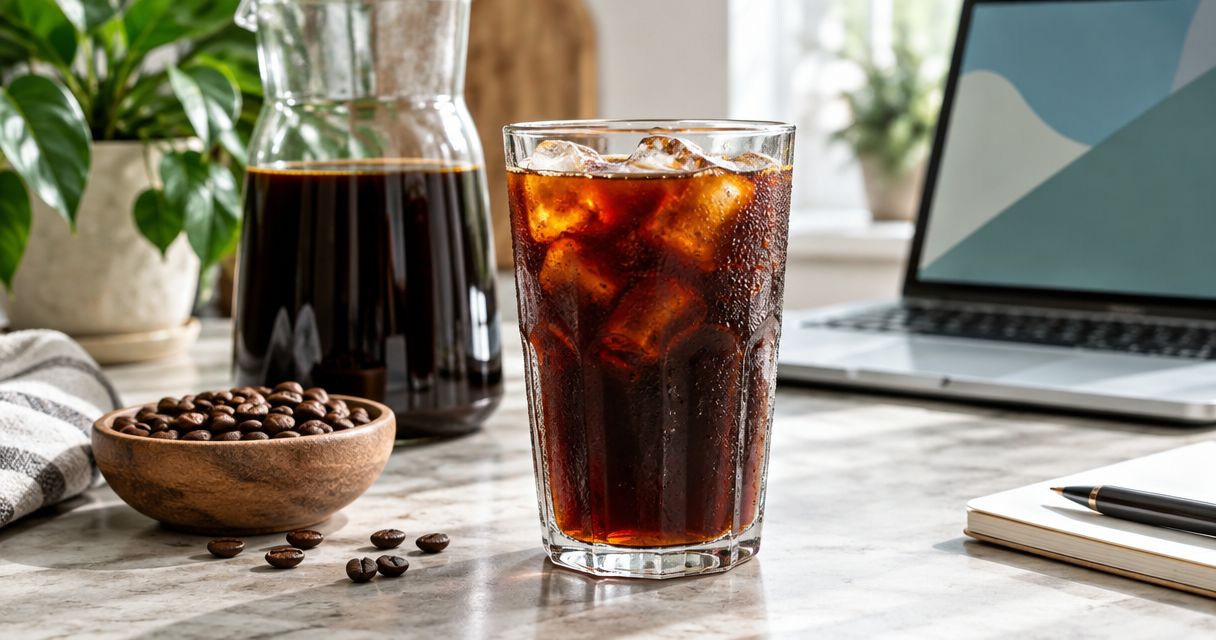
Adding ice or milk does not reduce the total caffeine in the coffee you already poured. It lowers the caffeine concentration as the drink's volume increases.
To consume less caffeine, reduce the coffee portion or leave some of the finished drink undrunk. Simply filling a larger glass with the same coffee and more milk does not accomplish that.
How much caffeine is too much in a day?
400 mg per day is the amount the FDA cites as not generally associated with negative effects for most adults. It is not a target or a guarantee of suitability for every person.
Count caffeine from coffee, tea, energy drinks, supplements, and other sources together. Individual sensitivity and health circumstances differ; follow clinician guidance when you need a personal limit.
FAQ
How much caffeine is in homemade cold brew coffee?
Homemade cold brew has no fixed caffeine amount because beans, extraction, dilution, and serving size vary. Repeating a measured recipe improves consistency but does not establish an exact caffeine dose.
Does cold brew concentrate have more caffeine than ready-to-drink coffee?
Cold brew concentrate is intended for dilution, but the exact caffeine comparison depends on the products and portions. Compare caffeine per prepared serving rather than assuming equal bottle volumes are equivalent.
Does dark roast cold brew have more caffeine?
Dark roast does not reliably tell you how much caffeine a cold brew contains. Roast flavor, bean composition, coffee quantity, and extraction are separate considerations.
Can I make cold brew with decaf coffee?
You can make cold brew with decaf coffee, but decaf does not mean caffeine-free. The FDA lists 2–15 mg in an 8-fluid-ounce cup of decaf coffee; that reference is not a measurement of every decaf cold brew recipe.
Is cold brew less caffeinated because it tastes less bitter?
A less bitter taste does not establish a lower caffeine amount. Use caffeine information for the finished serving rather than judging the dose by smoothness.
Does water cancel out caffeine in cold brew?
Water does not cancel out caffeine in cold brew. It lowers concentration, while the total caffeine remains unchanged if you drink the entire diluted portion.
Can I use Brew4ufresh coffee to control my cold brew caffeine?
Brew4ufresh offers coffee intended for cold brew, allowing you to choose a recipe and portion your batches. Measuring ingredients helps with consistency, but a recipe alone does not establish caffeine in milligrams.
One last thing
Measure the coffee before you add the ice. A full glass tells you very little about caffeine when much of that glass contains milk, water, or ice.
For a simpler 2026 routine, keep the same measuring vessel beside your cold brew. A repeatable pour makes labeled caffeine information useful and keeps a casual refill from becoming an untracked extra serving.