No—dark roast coffee is not reliably stronger in caffeine than light roast; bean variety, the amount of coffee you use, and your brewing recipe matter more than roast color. Dark roast tastes stronger because of its roast-driven bitterness and smoky flavors, but that intensity does not establish how much caffeine reaches your cup.
- Is dark roast coffee stronger in caffeine? No—roast color alone does not establish caffeine content.
- Light roast versus dark roast comparisons change when you measure beans by weight rather than scoops.
- Brew4ufresh offers roast choices for home brewing; choose flavor separately from caffeine strength.
- For consistent coffee strength, weigh your grounds and keep your brewing recipe unchanged.
Is dark roast coffee stronger in caffeine than light roast?
Dark roast is stronger in roast flavor, not automatically in caffeine. Roasting changes bean size, density, aroma, and taste, so comparing equal scoops is different from comparing equal weights. Neither comparison gives you a dependable caffeine ranking across unrelated coffees.
When choosing coffee from Brew4ufresh, use roast descriptions to select flavor rather than infer a caffeine dose. The same distinction applies to every bag you consider in 2026.
| What you compare | What the comparison tells you | What it does not establish |
|---|---|---|
| Light and dark roast by taste | Dark roast generally emphasizes roasted, bitter, or smoky notes | Which cup contains more caffeine |
| Equal scoops of beans | Volume, with differences in bean density and packing | Equal coffee weight or caffeine |
| Equal weights of beans | A controlled dry-coffee dose | Identical caffeine across varieties and blends |
| Equal-sized finished drinks | The same serving volume | The same amount of coffee used to brew them |
| The same beans and brewing recipe | A more useful comparison of roast effects | An exact caffeine dose without measurement |
The useful takeaway is simple: a darker bag is not a caffeine measurement. If you change the beans, dose, and cup size together, you cannot attribute the result to roast alone.
Why this matters
Choosing dark roast for extra caffeine confuses two different goals. You might want a bolder taste, more caffeine, or both, but the same buying decision does not guarantee both outcomes.
The opposite mistake matters too. Choosing light roast does not reliably reduce caffeine, and choosing a smooth-tasting coffee does not make it low-caffeine. Treat flavor preference and caffeine intake as separate decisions when planning your 2026 coffee routine.
What does stronger coffee actually mean?
In everyday conversation, stronger coffee can mean more bitterness, a heavier mouthfeel, a more concentrated drink, or more caffeine per serving. Those qualities overlap imperfectly. A dark roast can taste forceful while a larger, milder-tasting drink delivers more total caffeine.
Use more precise language when adjusting your brew:
- Bolder flavor: You want more roast character or a more noticeable coffee taste.
- Higher concentration: You want more dissolved coffee relative to water.
- More caffeine: You want a greater caffeine dose in the finished serving.
Once you name the goal, the next adjustment becomes clearer. Roast selection addresses flavor; dose, recipe, bean composition, and serving size help explain caffeine exposure.
Light roast: best for less roast-driven flavor
Light roast is best for drinkers who prefer brighter flavors and less smoky roast character. Depending on the coffee, the cup can emphasize fruit, floral notes, or acidity rather than the deeper roasted flavors associated with dark roasting.
The benefit is flavor distinction. The trade-off is that brightness can taste sharp if you prefer a mellow or roast-heavy cup, and a light roast still needs a suitable brewing recipe.
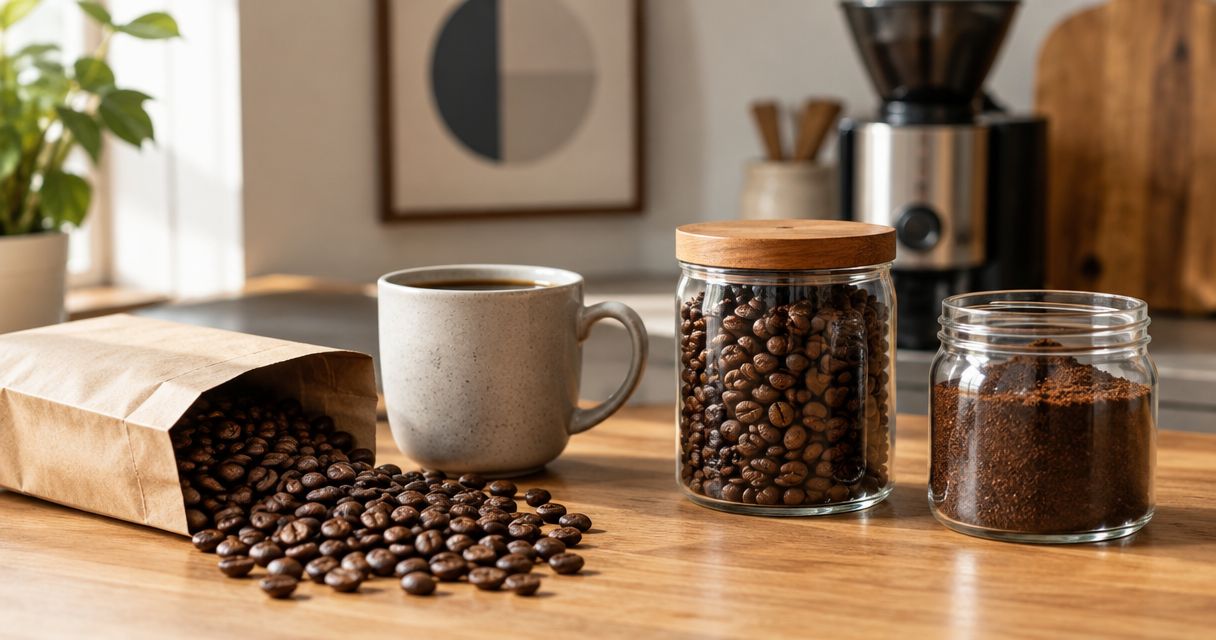
Light-roasted beans are generally denser than darker-roasted versions of comparable beans. That is why an equal-volume scoop can contain a different weight of coffee. It does not mean every light roast contains more caffeine than every dark roast.
Choose light roast for the taste you enjoy, not as a reliable caffeine increase or reduction. A light-roast label describes roasting, not a standardized stimulant level.
Dark roast: best for pronounced roast character
Dark roast is best for drinkers who prefer deeper roasted flavors and a more bitter or smoky profile. Those sensory cues explain why dark coffee often feels stronger even when its caffeine content has not been established.
The benefit is pronounced roast character. The trade-off is that darker roasting can make delicate origin flavors less prominent, and the bitterness is not appealing to every drinker.
Dark-roasted beans expand and lose mass during roasting. Their lower density affects volume-based measuring, but you should not turn that observation into a universal rule about caffeine per cup.
Choose dark roast when you want its flavor. Do not choose it solely because a dark color, oily surface, or intense aroma seems to promise extra caffeine.
Why caffeine varies more than roast labels suggest
Caffeine comparisons become useful only when you identify what changed. These factors explain why two drinks with the same roast label can differ:
- Bean species: Arabica and Robusta differ in their typical caffeine content. Robusta generally contains more, so blend composition matters independently of roast.
- Coffee dose: Using more ground coffee changes the amount of caffeine available for extraction. An overflowing scoop is not the same dose as a level scoop.
- Weight versus volume: A scale controls coffee mass; a scoop also reflects density, grind, and how tightly the coffee settles.
- Brewing method: Contact time, water temperature, grind size, and water flow affect extraction. Method names alone do not specify an exact result.
- Serving size: Total caffeine depends on how much of the prepared drink you consume, not just how concentrated it tastes.
- Dilution: Adding water changes concentration without removing caffeine already present in the portion you dilute.
These factors work together. A strong-tasting small serving and a mild-tasting large serving cannot be ranked by flavor alone, and roast color cannot resolve the comparison.
How can you compare light and dark roast fairly in 2026?
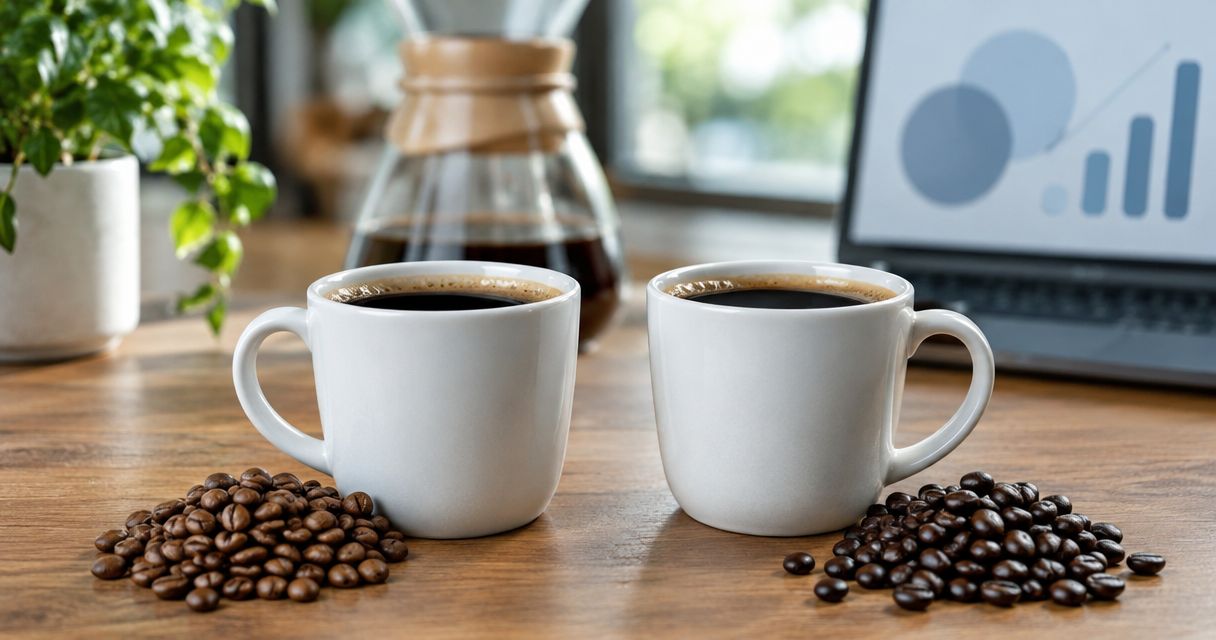
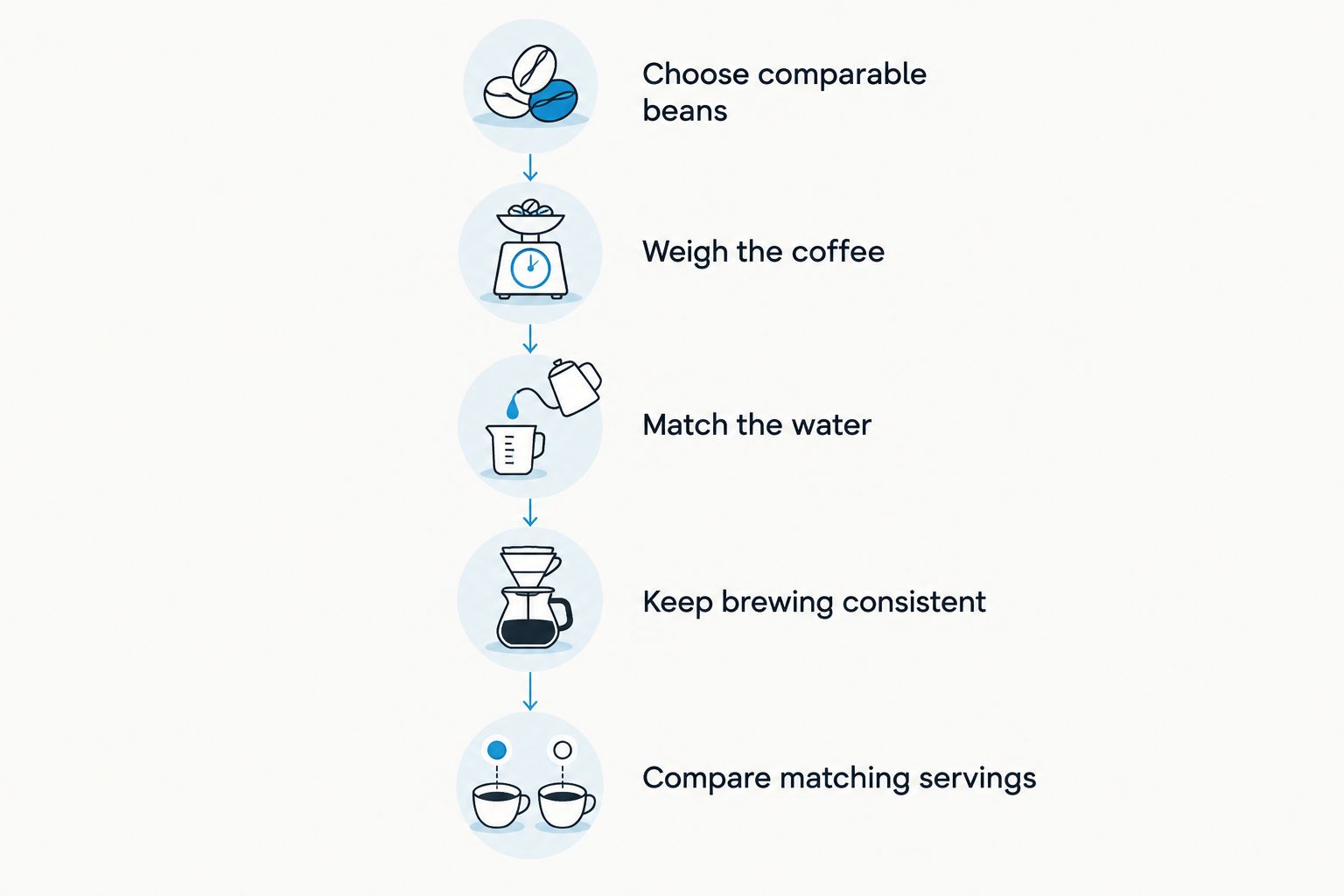
Keep the recipe consistent and change the roast as the main variable. This helps you compare flavor without accidentally comparing a heavier dose against a lighter one. It does not turn a home tasting into a caffeine test.
- Choose comparable beans. For the cleanest comparison, use the same coffee offered at different roast levels. Unrelated origins or blends introduce additional differences.
- Weigh the coffee. Use dry-coffee weight rather than matching scoop counts. Keep that weight unchanged between brews.
- Match the water. Use the same water source and quantity. The Specialty Coffee Association's Golden Cup guidance uses 55 grams of coffee per liter of water as its reference ratio, with an allowed tolerance.
- Keep brewing consistent. Use the same brewer and repeat the recipe. For hot filter brewing, the established 195–205°F brewing-water range provides a useful reference, not a caffeine guarantee.
- Compare matching servings. Pour the same amount from each batch and taste at similar temperatures. Record flavor separately from assumptions about stimulation.
A scale answers how much coffee you used. It does not answer how many milligrams of caffeine you extracted. Keep that boundary clear when you compare your results or describe a favorite brew.
Which roast should you choose for your home coffee?
Start with the flavor you want to drink. Then decide whether you need regular coffee, a lower-caffeine approach, or decaf instead of expecting roast selection to handle that decision.
Brew4ufresh coffee is best for home drinkers choosing freshly roasted blends and single origins by flavor. That selection is useful for exploring roast preferences, but roast descriptions are not evidence of a particular caffeine dose.
The following Brew4ufresh products illustrate the flavor choice. They are not a verified caffeine ranking, and their different compositions prevent a controlled roast-only comparison.
| Coffee | Best for | Flavor benefit stated in the product description | Trade-off for this comparison |
|---|---|---|---|
| Breakfast Blend Light Roast | Drinkers seeking a bright morning coffee | Light-roasted South American beans without heavy roast intensity | Not a promise of more or less caffeine |
| French Roast Dark Roast Coffee | Drinkers seeking smoky roast depth | Bold, smoky flavor that prioritizes roast intensity | Not a substitute for delicate flavors or a verified caffeine level |
Choose Breakfast Blend Light Roast if you prefer brightness over heavy roast character. Choose French Roast Dark Roast Coffee if you want smoky depth instead. Neither choice establishes which brewed serving will contain more caffeine.


Does light roast have more caffeine when you use a scoop?
Light roast can put more coffee mass into an equal-volume scoop because of its greater density. That makes scoop-based comparisons different from weight-based comparisons, especially when comparing similar beans roasted differently.
However, scoop packing and grind also change the dose. Weighing your grounds removes that measuring inconsistency without proving the caffeine content of either coffee.
Does dark roast have more caffeine when you weigh the beans?
Equal weights do not establish a universal dark-roast caffeine advantage. Weighing controls the dry-coffee dose, but bean composition and extraction still affect what reaches the cup.
For a useful home comparison, keep the bean source and recipe as similar as possible. For an exact caffeine comparison, use measured results for the specific coffees and preparation—not a general roast rule.
Should you switch roasts to reduce caffeine in 2026?
Switching roast levels is not a dependable caffeine-reduction strategy. A smaller serving or replacing regular coffee with decaf addresses the goal more directly, although decaf is not completely caffeine-free.
The FDA cites 400 milligrams of caffeine a day as an amount not generally associated with negative effects for most adults. That is not a personal target or a guarantee: sensitivity, health conditions, medications, and pregnancy require individual consideration.
FAQ
Is dark roast coffee stronger in caffeine than light roast?
No—dark roast coffee is not reliably stronger in caffeine than light roast. Bean composition, coffee dose, extraction, and serving size matter more than roast color alone.
Why does dark roast taste stronger if it does not have more caffeine?
Dark roast tastes stronger because roasting produces more pronounced roasted, bitter, and smoky flavors. Those sensory qualities do not measure caffeine content.
Which roast should I choose if I want less caffeine?
Roast level alone is not a dependable way to choose less caffeine. Consider a smaller serving or decaf, and remember that decaf still contains some caffeine.
Does weighing coffee make light and dark roast equal in caffeine?
Weighing coffee makes the dry-coffee dose equal, not the caffeine content. Different beans and brewing conditions can still produce different caffeine amounts.
Does adding water to coffee remove caffeine?
Adding water does not remove caffeine from coffee. It lowers the concentration, but drinking the entire diluted serving still means consuming the caffeine already in that portion.
Is dark roast better than light roast for espresso?
Dark roast is better for espresso only if you prefer its roast-driven flavor. Light roast can also be brewed as espresso; the roast label does not establish caffeine per serving.
How much caffeine should adults consider when planning their coffee routine in 2026?
The FDA cites 400 milligrams of caffeine a day as an amount not generally associated with negative effects for most adults. Individual sensitivity varies, and this guidance is not a personal intake recommendation.
One last thing
Water changes concentration, not the caffeine already in your drink. If a dark roast tastes too intense, diluting it softens the experience, but finishing the whole drink still delivers the original portion's caffeine.
For your next 2026 brew, write down the coffee weight, water quantity, and amount you actually drink. Those details explain your routine better than the darkness of the beans—and give you a repeatable starting point for adjustments.